
A furnace service call is more productive when the technician knows what the system has been doing. Describe the symptom in ordinary language: whether heat stops, the fan runs without warm air, a sound occurs at startup, or the issue appears at particular times. Avoid resetting the system repeatedly in an attempt to erase the symptom.
Record when the problem began and whether anything changed beforehand, such as a thermostat setting, power interruption, or recent service. If an error code is visible through a normal viewing area, note it without removing equipment panels.
Report observations without opening the equipment
Gather the model information and service history if they are readily available. Heating systems are among commonly overlooked home maintenance areas. Explain whether the issue affects the whole home or certain rooms. Check only basic items the owner’s manual identifies as safe for users, and leave electrical, gas, and internal work to qualified professionals.
When requesting furnace repair murray in Utah, explain any safety concern at the start of the call. If you smell gas, leave and contact the utility or emergency services from a safe location. If a carbon monoxide alarm sounds, move outside and seek emergency assistance. A service appointment is for diagnosing ordinary faults; potentially dangerous conditions require prompt action through the appropriate emergency channel.
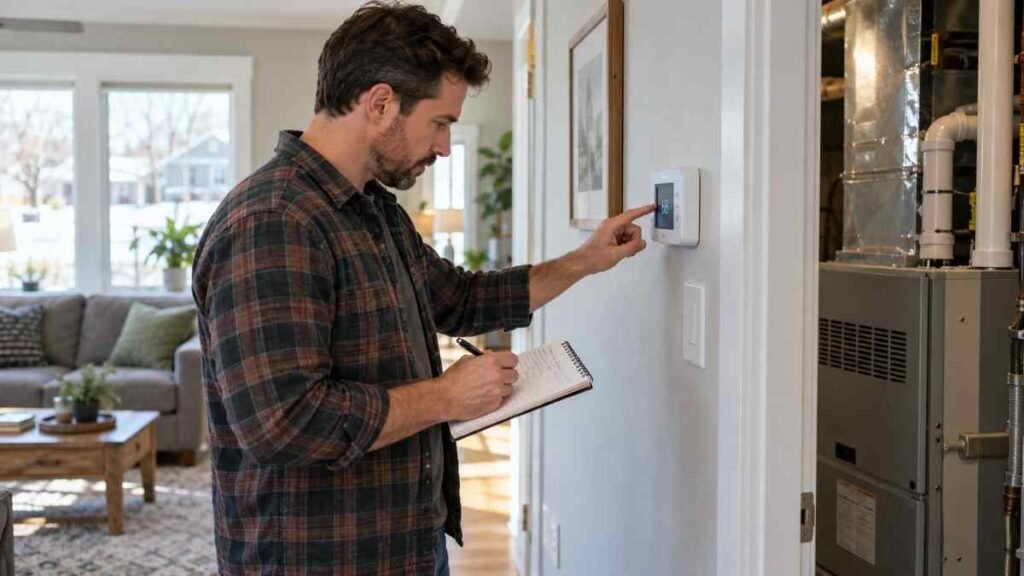
A short observation log can be useful for an intermittent fault. Record the time, thermostat setting, what the equipment appeared to do, and whether heat returned without intervention. Do not stay near equipment that may be unsafe just to complete the log. Safety concerns take priority over collecting information.
If you have already tried a basic action allowed by the owner’s manual, tell the technician what you did and what happened. Repeatedly changing settings can make the original pattern harder to identify. Ask whether the system should remain off until the appointment if the condition is uncertain. Clear instructions from the service provider are more useful than experimenting while waiting for a visit.
Make the scope visible
Before approving work, ask for a description of what will be inspected, repaired, replaced, and left alone. Photos and measurements help, but they do not reveal every concealed condition. A proposal should explain which assumptions depend on further inspection and how discoveries will be handled.
Keep functional requirements separate from appearance preferences. The first group may include water management, safe access, or compatibility with existing materials. The second may include color or finish. Both matter, but knowing the difference makes it easier to preserve essential work if the budget needs adjusting.
Compare the work behind the price
Two prices are difficult to compare when they describe different jobs. Watch for common home renovation red flags before approving work. Check whether preparation, protection of nearby surfaces, disposal, and restoration are included. Ask who coordinates related trades and whether required permits or inspections are part of the quoted scope. Requirements depend on the work and location.
Discuss access and household disruption as well. Contractors may need clear pathways, parking, or temporary use of utilities. Pets, children, and work-from-home schedules can affect daily arrangements. Addressing these details before work begins gives everyone a clearer understanding of what the project involves beyond the finished result.
Keep a short project checklist

- Record the existing condition with dated photographs from safe locations.
- Save the agreed scope, product details, and relevant drawings together.
- Ask how changes will be priced and approved before additional work.
- Confirm who will answer questions while the work is underway.
- Request care instructions and applicable warranty documents at completion.
Plan for the completed work
Ask what routine care the finished work will need and which early signs should prompt a follow-up call. Some materials require specific cleaners or maintenance methods. Simple spring cleaning shortcuts can make routine upkeep easier. Other components need periodic inspection rather than frequent treatment. Written instructions are easier to follow than a brief conversation during cleanup.
Before the final walkthrough, compare the completed work with the agreed scope and note any unresolved items. Keep photographs of concealed work when available, along with invoices and product information. These records can help with future repairs or changes. A successful project leaves the homeowner with both a functional result and enough information to look after it responsibly.
Ask what conditions would make the proposed approach unsuitable. A responsible explanation may identify damage that cannot be evaluated until an area is opened or an existing component is removed. Agree on the point at which work would pause for a new decision. Keeping that boundary clear is especially useful when several repairs depend on each other. It lets the homeowner understand the limits of the initial proposal without treating every unknown as a reason to approve additional work in advance.
Contact Efficient Systems Heating and Cooling to describe the furnace symptoms and arrange an appropriate service assessment.