Before replacing a gas appliance, arrange a professional review of the line that will supply it. The new unit may have different fuel requirements, and older piping may need attention. Confirming compatibility before connection helps avoid problems with safety, operation, and the installation itself.
For homeowners, the hidden issue is often an assumption. A stove, furnace, or tankless water heater may look like a straightforward replacement, but gas systems are not interchangeable by default. Each appliance has its own demand, and the piping system has to support that demand safely. That means pipe sizing, pressure testing, leak detection, and a close look at the condition of the existing line all matter before installation begins. 1st American Plumbing approaches this step as a safety requirement, not an optional add-on.
Why the Existing Gas Line Deserves Attention Before Installation
A gas appliance can only perform properly if the line feeding it can deliver the right amount of fuel at the right pressure. If the line is too small, partially obstructed, or weakened by age, the appliance may not operate as intended. In some cases, the issue may be obvious during startup. In others, it may show up gradually as poor performance, intermittent ignition, or repeated service calls.
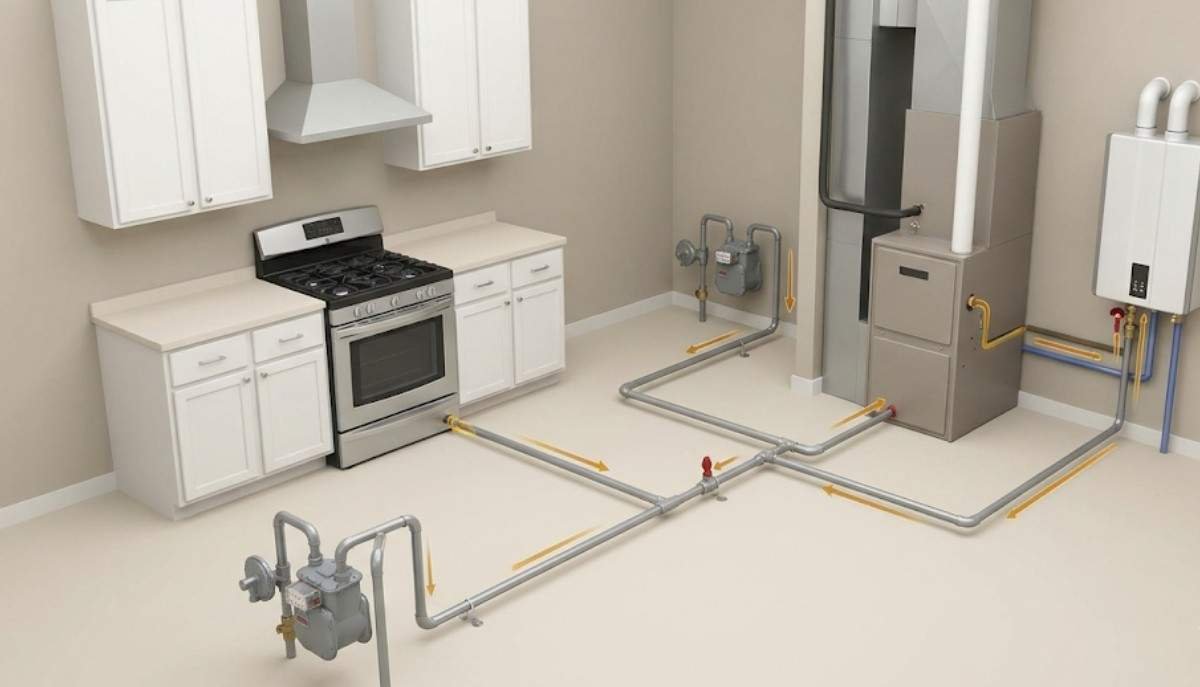
The key point is that the line is part of the appliance system, not separate from it. Installing a high-demand unit onto an aging line without review can create a mismatch between equipment and infrastructure. That is why 1st American Plumbing evaluates the entire gas path, from the connection point back through the accessible piping, before the new appliance is put into service.
The mismatch between old piping and new equipment
A replacement appliance is often more efficient, but efficiency does not always mean lower gas demand. Some units still require substantial fuel flow, especially when multiple gas appliances share the same system. If the existing piping was designed years ago for a different layout, it may not match the current demand profile.
That is where professional load calculations matter. Technicians can assess whether the existing pipe size, material, and layout can support the new appliance along with any other connected equipment. If the answer is no, the solution may involve rerouting, upgrading sections of pipe, or replacing damaged runs with code-approved materials such as black iron pipe or corrugated stainless steel tubing (CSST).
Hidden defects rarely appear at the appliance itself
Many gas line issues start away from the visible appliance connection. Corrosion can develop in older piping. Fittings can deteriorate. A prior modification may have left a line less capable than it appears. Even a line that looks serviceable on the surface may fail a pressure test or reveal a leak once it is examined under working conditions.
That is why professional review is valuable before the new appliance arrives at full use. It can identify problems that are easy to miss during a simple visual check. 1st American Plumbing treats this step as a safeguard against future disruption, especially when the project involves a major appliance change rather than a like-for-like swap. Keep information that helps technicians diagnose furnace problems readily available.
What a Professional Review Actually Covers
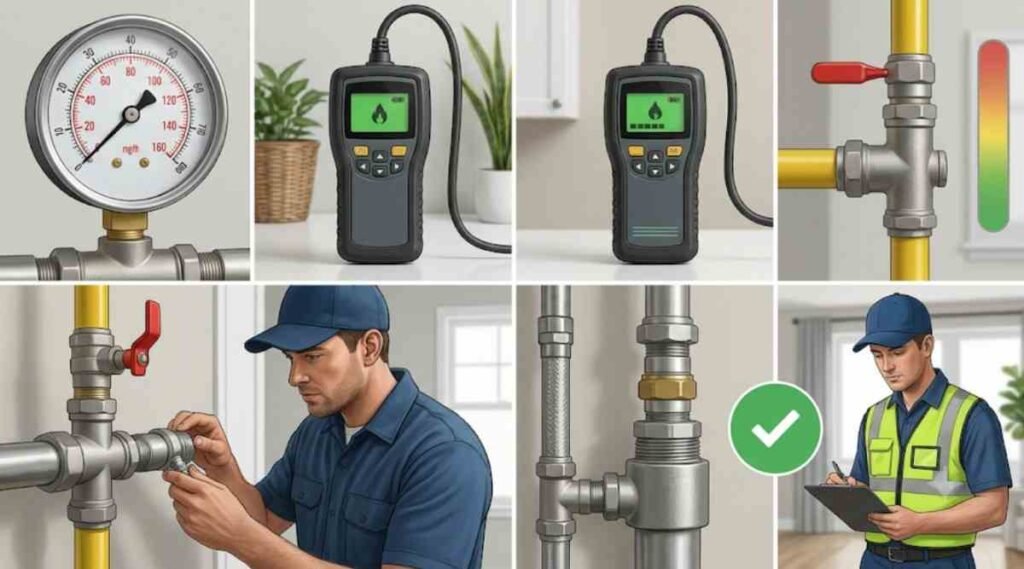
A good gas line review is more than a quick glance at the pipe. It should answer a series of practical questions: Is the line sized correctly? Is the pressure stable? Are there signs of wear, corrosion, or leakage? Does the existing layout support the replacement appliance without unnecessary strain?
This is where licensed technicians bring real value. They can examine the condition of the system and determine whether the line needs to be repaired, rerouted, capped, or replaced before installation proceeds. For homeowners searching for gas line repair in Midvale, the real goal is not just fixing a problem. It is making sure the line is fit for the appliance that will depend on it every day.
Pipe sizing and load calculations
Pipe sizing is one of the most overlooked parts of gas work. A line that worked for an older, smaller appliance may not be sufficient for a newer unit with different requirements. Technicians calculate gas load based on the total system demand and the appliance being installed. That helps determine whether the current piping can support the new setup safely.
This step matters even when the appliance replacement seems simple. A single gas appliance can affect the entire branch line, especially if other units share the system. Proper sizing helps prevent low pressure, poor appliance performance, and unnecessary strain on the installation.
Pressure testing and leak detection
Pressure testing is a critical checkpoint in gas line work. It verifies whether the system can hold pressure as expected and helps reveal weak points that may not be obvious during a visual inspection. If a line cannot maintain pressure, the technician can isolate the issue before the appliance is connected.
Leak detection is equally important. A small leak may not seem dramatic at first, but gas systems demand a zero-hesitation approach. 1st American Plumbing provides leak detection and 24/7 emergency response for natural gas systems, which reflects how seriously these issues must be treated. Gas work should never rely on guesswork, and it should never be treated as a homeowner DIY project.
The Right Fix Depends on the Condition of the Line
Not every project calls for a full replacement. Some gas lines only need a localized repair, while others require rerouting or capping abandoned sections. The right solution depends on age, material, code requirements, and the layout of the new appliance.
A professional review helps determine whether the existing line can be preserved, improved, or replaced. That judgment is important because the wrong repair can create another problem later. The goal is to leave the system safer and more functional than it was before the appliance swap started.
A technician may recommend one or more of the following:
- Replacing a corroded or damaged section of pipe
- Rerouting the line to match a new appliance location
- Capping unused connections safely
- Upgrading undersized piping
- Verifying the system with pressure testing after modifications
- Using code-approved materials appropriate to the installation
Each of these tasks requires technical judgment. For example, a reroute may be straightforward in one home and complicated in another because of access, existing materials, or the presence of multiple appliances on one branch line. 1st American Plumbing evaluates these variables before installation, which helps avoid shortcuts that could compromise safety or performance.
Why Licensed Work Matters More During a Replacement Than a New Install
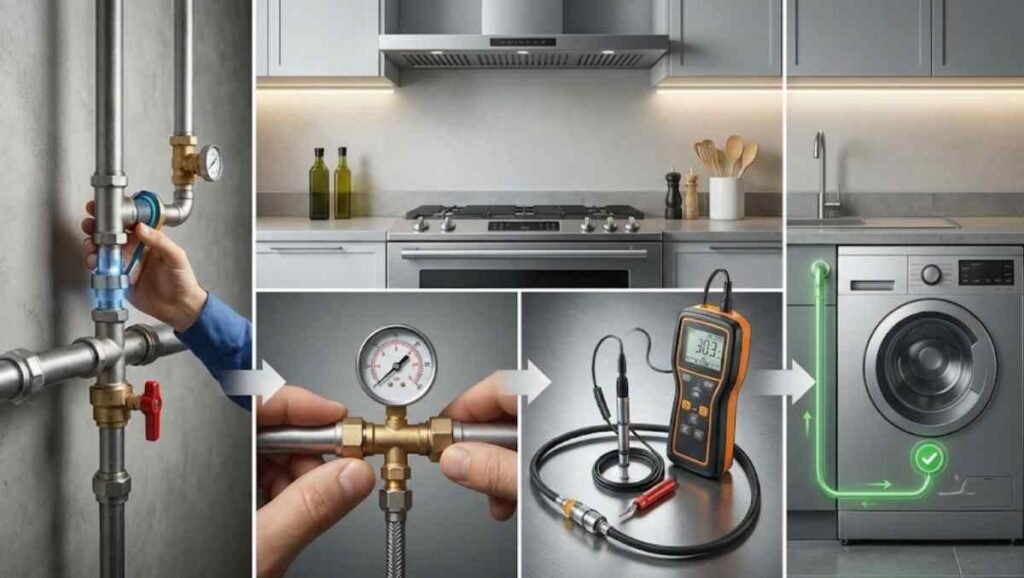
A new build usually starts with a clean layout. A replacement project does not. That difference changes everything. Existing gas systems may include older pipe runs, prior repairs, partial upgrades, or appliance changes that were made at different times. In other words, the line may have a history, and that history affects what can be installed safely now.
Licensed professionals understand how to interpret that history. They know when a line is still acceptable, when it needs repair, and when it should be replaced entirely. They also understand how local code requirements shape the work. That is especially important when a project involves gas appliances in a home that has evolved over time instead of being designed as one unified system.
Why materials and methods matter
The material used in the line matters just as much as the appliance being installed. Black iron pipe and CSST are both used in gas systems, but they are not interchangeable in every situation. A proper installation depends on selecting the right material for the layout, load, and code requirements.
This is another reason the review stage is so valuable. It is not simply about connecting one appliance to another. It is about deciding whether the surrounding infrastructure supports that connection in a safe, durable, and compliant way. 1st American Plumbing brings that level of judgment to gas line work across Utah’s Wasatch Front. Alongside safety improvements, consider exterior upgrades that boost your home’s charm.
A Safer Replacement Starts Before the New Appliance Is Connected
The best time to solve a gas line issue is before the appliance replacement is finished. Once the new unit is installed, any hidden weakness in the line becomes a direct risk to the equipment, the home, and the people inside it. A professional review reduces that risk by confirming the system is ready before service begins.
That is the practical advantage of working with a team that handles both installation and gas line evaluation. 1st American Plumbing can inspect the existing line, determine whether repairs or rerouting are needed, and make sure the final connection is built around the actual condition of the system. For homeowners, that means less uncertainty and a cleaner path from old appliances to new ones.
Replacing a gas appliance should never begin with a guess about the line behind it. If you are planning a swap, have the existing system reviewed first so the installation is based on facts, not assumptions. 1st American Plumbing can help determine what the line can safely support and what needs attention before the new appliance goes into service.