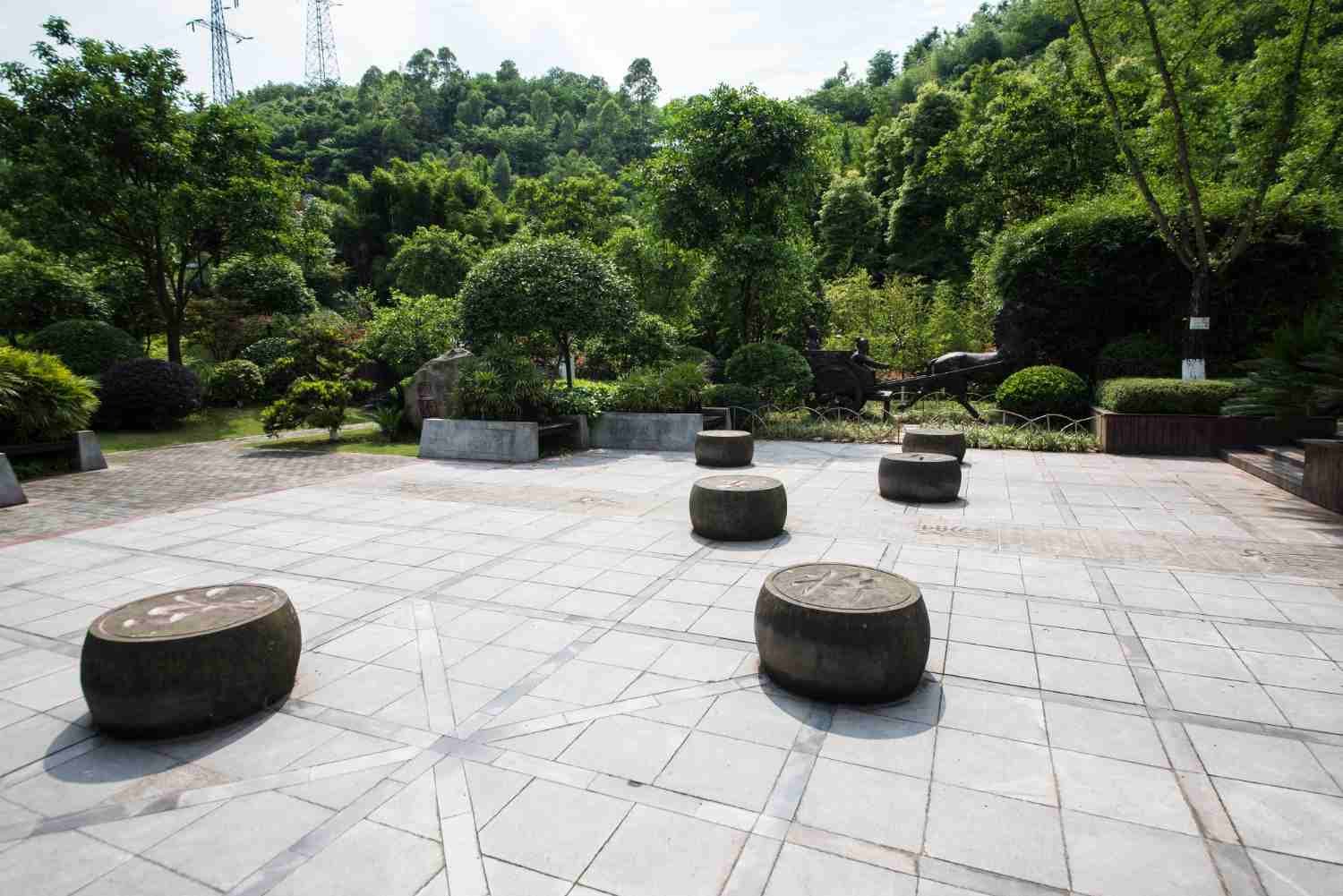
Hardscape materials need to suit the way a yard is used. A dining area, an equipment route, a pool surround, and a narrow garden path face different demands. Appearance matters, but so do traction, heat, cleaning, drainage, and the condition of the supporting base.
Start with a list of activities and the people using each area. Consider rolling chairs, strollers, furniture, pets, and the equipment needed for maintenance. These details can expose limitations that are difficult to see in a showroom sample.
Evaluate the whole assembly
Ask how each proposed material will be installed and supported. A surface’s performance depends on more than the visible layer. Site preparation, drainage, joints, edges, and transitions can all affect the result. Request an explanation of care needs and potential repairs.
When comparing hardscaping services in Weber County, review samples in conditions similar to the intended location when possible. A color may look different in strong sun, and a textured surface may feel different underfoot than it appears in a photograph. Discuss accessibility and trip hazards at transitions. The right material is the one that supports the yard’s real activities and can be maintained within the household’s expectations, with installation details appropriate to the site.
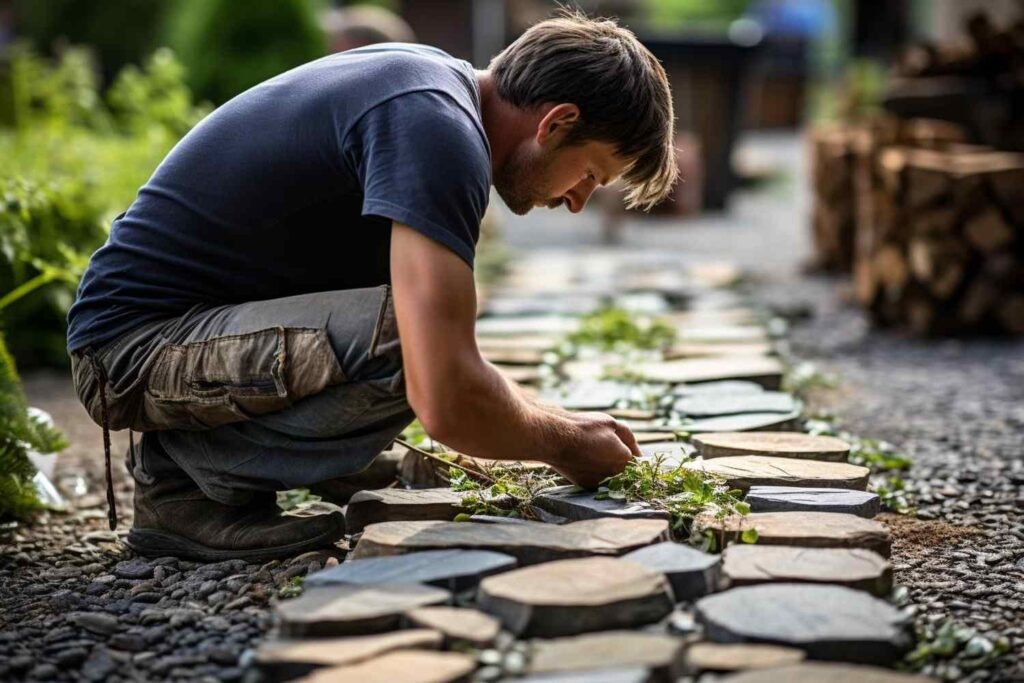
Try to see a sample in conditions close to the intended use. A surface may look different when wet, in shade, or beside the home’s existing materials. Ask the installer how the proposed finish relates to traction and maintenance without assuming that appearance alone predicts performance.
Consider how a small repair would be handled later. Can individual units be replaced, will a repaired area be noticeable, and should spare material be retained? The answers may differ between products and installations. Discuss the edges and transitions too, because those details affect both use and upkeep. A material choice is easier to evaluate when you understand the finished surface throughout its expected use.
Read the site before choosing features
Spend time observing the property under ordinary conditions. Notice where people walk, where water collects, which areas receive strong afternoon sun, and how equipment reaches the yard. A design that overlooks these details may be attractive on paper but inconvenient to use.
Existing trees, utilities, drainage routes, and access restrictions can shape what is practical. Share known property information with the designer and ask which conditions need field verification. Do not assume a boundary shown in an informal sketch is a surveyed property line. Clarifying these constraints early helps avoid placing improvements where they interfere with other needs.
Discuss construction and long-term care together
The installation budget is only part of the decision. Ask what the landscape will require during establishment and after it matures. Watering, pruning, cleaning, seasonal service, and replacement needs affect both cost and daily effort. An elaborate feature may be a poor fit if nobody has time to maintain it.
Construction sequencing matters, too. Heavy equipment can damage finished surfaces or compact soil. Underground work may need to happen before paving and planting. Have the project team explain the sequence and identify anything that should be prepared now for a later phase. This can reduce avoidable disruption without committing to every feature immediately.
Questions to include in the plan

- How will the area be used during a normal week?
- Where will runoff go after the work is complete?
- What maintenance will the owner handle personally?
- Which existing plants or surfaces need protection?
- What access will future repairs and seasonal service require?
Check the plan against everyday use
Imagine carrying groceries outside, moving furniture, bringing a hose through the space, or taking equipment to the far side of the property. These small routines expose narrow passages, awkward storage, and poorly placed obstacles. They can also highlight practical home upgrades buyers notice first, especially when outdoor areas feel easier to access and use. Review the design with everyone who regularly uses or maintains the yard.
Before construction, confirm which drawings and selections are approved and how changes will be documented. After installation, request care instructions and information about installed components. Keep a record of underground routes when available. The most useful landscape plan accounts for how the property will function, how it will be maintained, and how it can adapt when household needs change.
Photographs taken at different times of day can help explain conditions that are hard to capture during one site visit. Label them with the location and the issue you want to discuss. If the work crosses seasons, ask which decisions depend on weather, planting conditions, or material availability. A proposed calendar should account for those dependencies rather than simply naming a completion date. Keep future access in mind so a later service visit does not require dismantling a finished part of the landscape.
Contact Jones Outdoors to compare hardscape options against your yard’s activities, site conditions, and maintenance expectations.