Plant selection is one of the few landscape decisions that affects both first impressions and long-term workload at the same time. The wrong mix can make a yard look crowded, thirsty, or mismatched to the site. The right mix can create a landscape that feels intentional, balanced, and durable through Utah’s seasonal extremes. In practice, that means plant choice is not a decorative afterthought. It is the framework that determines how a landscape will perform, mature, and age.
For homeowners and property managers investing in Utah landscaping, this matters more than many people realize. Plants influence color, structure, scale, shade, water use, pruning needs, and even how well hardscape elements feel integrated. A well-planned palette does not simply survive in the Wasatch Front climate. It gives the entire property a clearer identity while reducing the amount of reactive maintenance needed later. Cottonwood Landscapes approaches plant selection with that bigger picture in mind.
Plant Selection Is a Design Decision Before It Is a Horticultural One
A landscape is read visually in layers. Trees establish height and backdrop. Shrubs create mass and rhythm. Perennials supply seasonal detail. Groundcovers and lawn areas fill transitions. When these layers are chosen with intention, the result feels cohesive. When they are chosen piecemeal, the yard can look busy even if each plant is attractive on its own.
That is why plant selection should start with design goals, not just plant preferences. Ask what the landscape needs to do visually. Does it need softness around a stone entry? A privacy screen along a boundary? A more formal look near the home? A resilient, low-water composition in an exposed side yard? Each of those goals leads to a different plant strategy.
Cottonwood Landscapes often treats planting as part of the architectural composition, not a separate add-on. That distinction matters. Plants can support clean lines, frame outdoor rooms, or introduce movement and texture. They can also compete with those features if the scale, shape, or density is off. Strong design is about choosing plants that complement the structure of the property rather than hiding it.
The First Impression Is Usually a Planting Problem

Many landscape “maintenance” issues are actually design issues in disguise. Overgrown shrubs, thin foundation beds, and awkward plant spacing often create more work than the species themselves. A bed that looks unfinished in year one may simply have been planted without enough consideration for mature size or visual weight.
The best landscapes anticipate how plants will fill out over time. That reduces the need for constant correction and keeps the property looking composed instead of improvised.
Utah’s Climate Makes the Wrong Plant More Expensive Over Time
The semi-arid climate of the Salt Lake Valley, combined with high elevation and freeze-thaw cycles, changes the equation. A plant that looks healthy in the nursery may struggle once it faces wind, intense sun, reflected heat, or sudden temperature swings. That is why climate fit is not a bonus criterion. It is the filter that determines whether a planting plan will be manageable or costly.
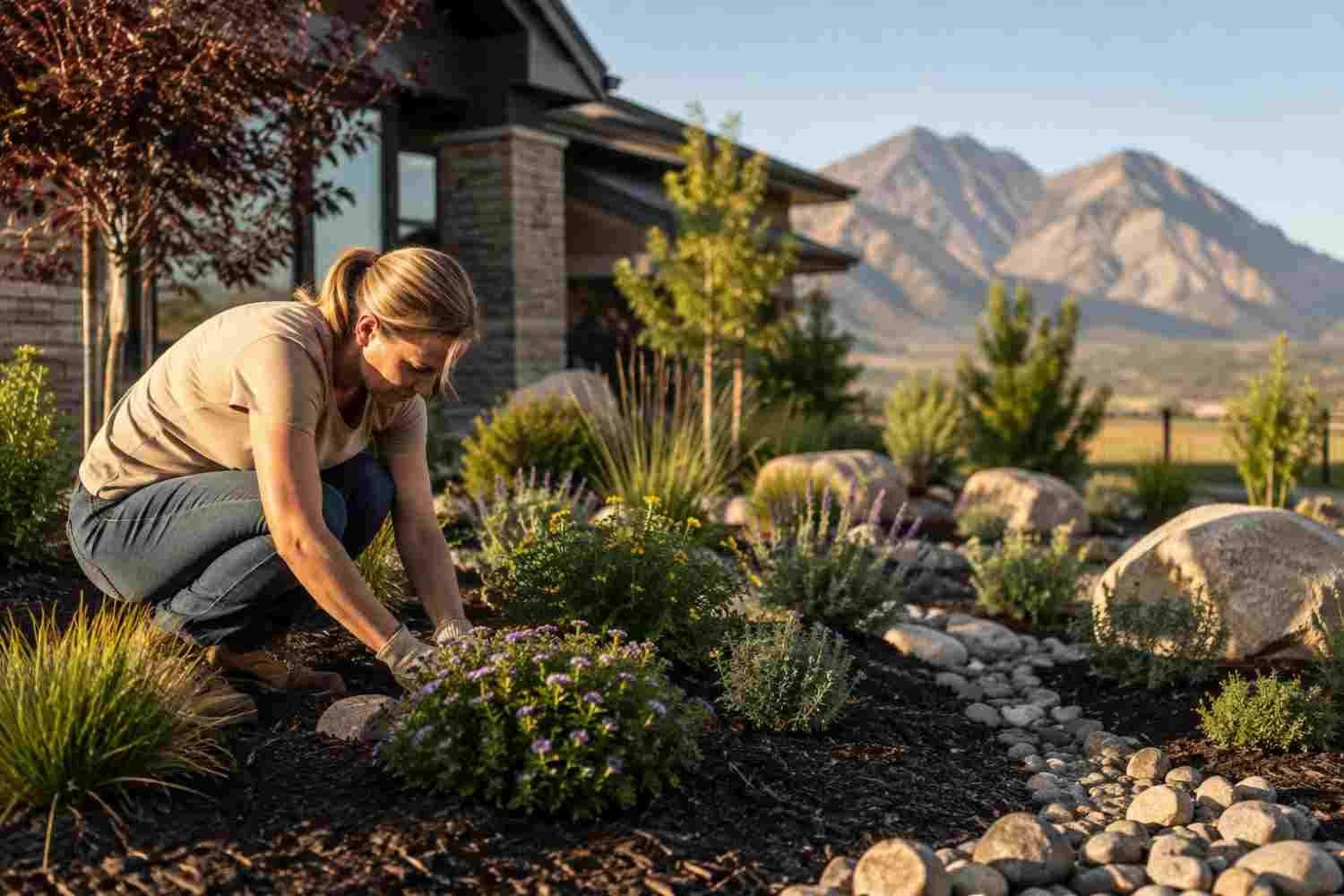
In Utah landscaping, the key is to choose plants that can work with the site, not against it. Drought-tolerant species and Utah-native perennials are often a smart foundation because they are generally better aligned with local conditions. They can also support a more efficient irrigation plan, which helps avoid both waste and stress on the plants themselves.
Cottonwood Landscapes brings over 35 years of experience to this kind of site-specific decision-making. That experience matters because the difference between a plant that merely survives and one that truly fits is often subtle. Exposure, drainage, soil structure, and microclimate all influence performance. A north-facing bed and a sun-baked frontage should rarely be treated the same way.
Native and Drought-Tolerant Does Not Mean Uniform
A common misconception is that water-conscious planting leads to a sparse or monotonous look. That is only true when the plant palette is too narrow or the layout lacks hierarchy. In reality, Utah-native perennials, shrubs, and trees can create rich variation in texture, bloom time, and seasonality.
The challenge is not choosing low-water plants. The challenge is composing them well.
Maintenance Is Mostly a Function of Plant Behavior, Not Just Plant Count

People often think maintenance comes down to how many plants are in the yard. In reality, it depends more on how those plants grow. A dense, high-vigor planting can require more pruning and cleanup than a larger but better-managed composition. Conversely, a restrained palette with the right spacing can stay visually strong with less intervention.
Here are the main maintenance variables that plant selection controls:
- Pruning frequency: Fast-growing shrubs and trees usually require more shaping.
- Watering demand: Species with similar moisture needs are easier to irrigate efficiently.
- Leaf and flower cleanup: Some plants drop heavily or shed in ways that add seasonal labor.
- Disease and stress risk: Plants poorly matched to the site are more likely to need attention.
- Bed renewal: Perennials with predictable habit and longevity often reduce replanting needs.
This is where Cottonwood Landscapes adds practical value. Good plant selection is not simply about what looks best on installation day. It is about how the planting will behave in year three, year five, and beyond. The right choices make routine care more predictable and less corrective. This same principle applies to the overlooked parts of home maintenance, where small details can have a significant impact on long-term upkeep.
The Real Goal Is Managed Maintenance
No thoughtful landscape is maintenance-free. Even drought-tolerant plantings need establishment watering, periodic pruning, seasonal cleanup, and irrigation oversight. The goal is not to eliminate work. The goal is to reduce avoidable work by choosing plants that behave well in the intended space.
That difference is especially important for properties where appearance matters, but labor and water use also need to stay controlled.
Smart Plant Palettes Make Hardscapes and Softscapes Work Together
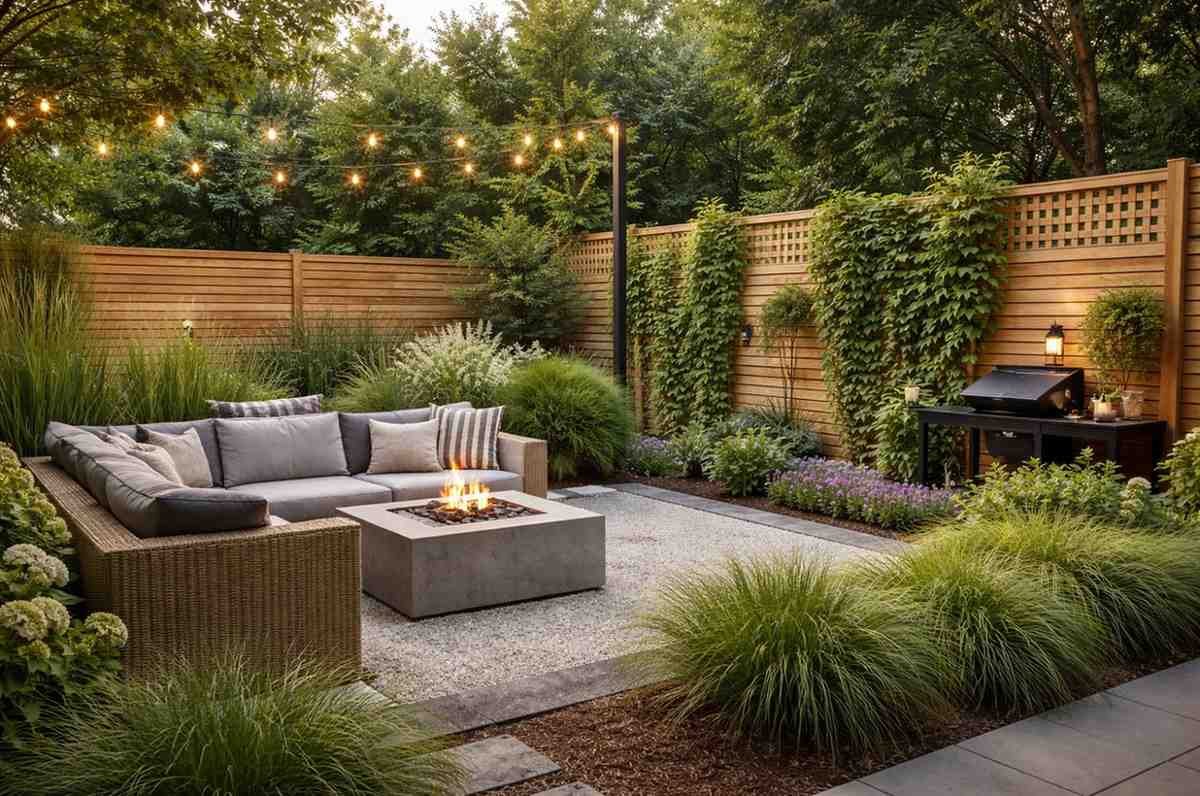
A landscape looks more refined when plants support the built environment instead of competing with it. Stone walls, patios, walkways, and structures all have visual mass. Plantings should soften edges, add movement, and create contrast without overpowering the architecture. This is where plant texture, height, and seasonal rhythm become strategic tools.
Cottonwood Landscapes understands that outdoor living spaces depend on more than attractive plant material. If the planting palette is too tall, too loose, or too dense, it can block views and interrupt circulation. If it is too sparse, the hardscape can feel exposed and unfinished. The right balance creates a sense of enclosure without crowding.
For example, a carefully placed evergreen can anchor a corner all year. A cluster of native perennials can bring movement near a patio edge without requiring constant intervention. A small tree can provide scale and shade where a broad open surface would otherwise feel harsh. These are not isolated design decisions. They are part of how the whole landscape reads.
Why Seasonal Change Should Be Planned, Not Hoped For
A strong planting design does not rely on one moment of peak bloom. It accounts for spring emergence, summer structure, fall color, and winter form. That is especially valuable in Utah, where the landscape must remain visually credible across sharp seasonal changes.
A property that looks good only in June is not truly well designed. A property that still feels organized in late fall or under winter conditions shows real planting discipline.
Cottonwood Landscapes Builds Planting Plans for Longevity, Not Guesswork

The best landscapes are not assembled from isolated plant choices. They are planned as living systems. Soil conditions, irrigation efficiency, exposure, plant spacing, and mature size all have to work together. When they do, the result is a landscape that looks intentional longer and asks less of the owner over time.
That is why Cottonwood Landscapes takes a structured approach from consult through maintenance. It allows the team to align design intent with practical realities before plants go in the ground. For projects involving softscaping, irrigation, and broader outdoor construction, that integration is especially valuable because it avoids the common mismatch between what was envisioned and what the site can actually sustain.
If you want to see how that approach translates into real projects, Cottonwood Landscapes offers a clear example of a company built around Utah-specific landscape performance. The real advantage is not just aesthetic polish. It is the combination of visual restraint, climate awareness, and long-range maintenance planning.
The long-term takeaway is simple: plant selection shapes everything. It shapes the mood of the yard, the amount of upkeep required, the efficiency of irrigation, and the way the whole property ages. In a climate as demanding as Utah’s, that makes plant choice one of the most strategic decisions in the entire landscape process. Cottonwood Landscapes treats it that way, and the results are better-looking, easier to manage, and more durable over time.