
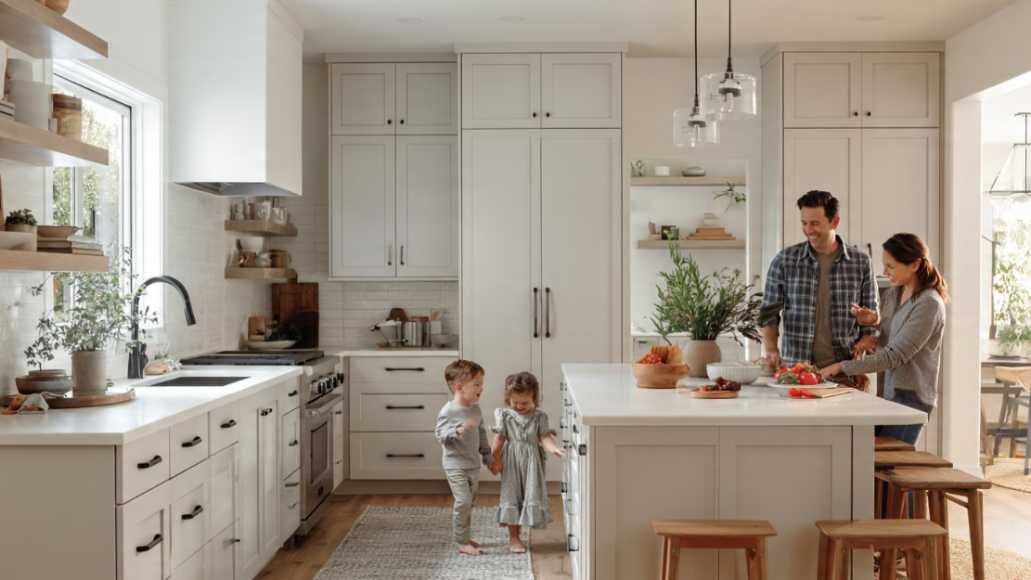
The kitchen is frequently described as the heart of the home, but for a busy family, it is also a high-traffic workspace, a social hub, and a classroom. Creating a kitchen that caters to the needs of adults while remaining safe and accessible for children requires careful planning.
A successful family-friendly design prioritizes movement, visibility, and durability without compromising on the overall aesthetic of the home.
Optimizing Traffic Flow and the Work Triangle
The fundamental principle of kitchen design is the work triangle, which refers to the path between the stove, the sink, and the refrigerator. In a household with multiple occupants, this concept needs to be expanded to accommodate more than one person working at a time.
The goal is to prevent bottlenecks where people might collide while carrying heavy pots or sharp utensils.
Wide walkways are essential for a safe environment. While the standard width for a kitchen aisle is 36 inches, a family-oriented space benefits from aisles that are at least 42 to 48 inches wide.
This extra space allows children to pass through or look for a snack without disrupting the person preparing a meal. Furthermore, keeping the primary cooking zone away from the main thoroughfare of the house reduces the risk of accidental bumps or spills.
Safety Features and Child-Friendly Details

Safety should be integrated into the very structure of the kitchen. Sharp corners on islands and countertops can be hazardous for small children who are at the exact height to bump into them. Opting for rounded edges or “bullnose” profiles on all surfaces is a simple design choice that prevents injuries.
Appliance selection also plays a significant role in household safety. Induction cooktops are an excellent choice for families because the surface remains relatively cool to the touch even when in use.
Since induction technology heats the cookware directly rather than the burner itself, the risk of accidental burns is significantly lower compared to traditional gas or electric stoves.
Additionally, placing microwaves at a height that is accessible to older children but out of reach for toddlers allows for supervised independence during snack times.
Locking mechanisms for cabinets and drawers are a necessity when storing cleaning supplies or sharp cutlery. Modern cabinetry often includes integrated safety latches that are hidden from view, maintaining a clean look while keeping curious hands away from danger.
Soft-close hinges and drawer slides are another valuable addition, as they prevent fingers from being pinched and reduce the noise of slamming doors in a busy house.
Selecting Durable and Low-Maintenance Materials
A family kitchen must be able to withstand heavy use, spills, and the occasional impact. When selecting materials, it is important to choose surfaces that are non-porous and resistant to staining and scratching. Natural stones like marble are beautiful but require significant upkeep and are prone to etching from acidic foods like lemon juice or tomato sauce.
Many homeowners find that engineered surfaces provide the perfect balance of style and resilience. For example, those looking for high-quality materials might consider the variety of quartz countertops in Utah that offer the sophisticated look of natural stone with much greater durability.
Quartz does not require sealing and can be cleaned easily with mild soap and water, making it an ideal choice for parents who do not have time for intensive stone maintenance routines.
Flooring should also be chosen with care. Slip-resistance is a priority, especially in a room where water spills are common. Large-format tiles with minimal grout lines or high-quality luxury vinyl planks provide a durable surface that is easy to sweep and mop.
These materials are also forgiving enough to withstand dropped toys or heavy foot traffic from pets and children.
Smart Storage and Functional Zones
Organization is the key to managing a busy household. A well-designed kitchen should include dedicated zones for different activities.
A “snack station” or a lower-tier pantry shelf allows children to reach healthy food options without needing assistance. This encourages independence and keeps them away from the main cooking area while a meal is being prepared.
Deep drawers are often more functional than lower cabinets with doors. Pull-out drawers allow for full visibility of the items inside, preventing heavy pots or stacks of containers from getting lost in the back of a dark cupboard.
For families that buy in bulk, a walk-in pantry or a floor-to-ceiling cabinet unit provides the necessary volume to store groceries and small appliances, keeping the main countertops clear of clutter.
The Multi-Functional Kitchen Island
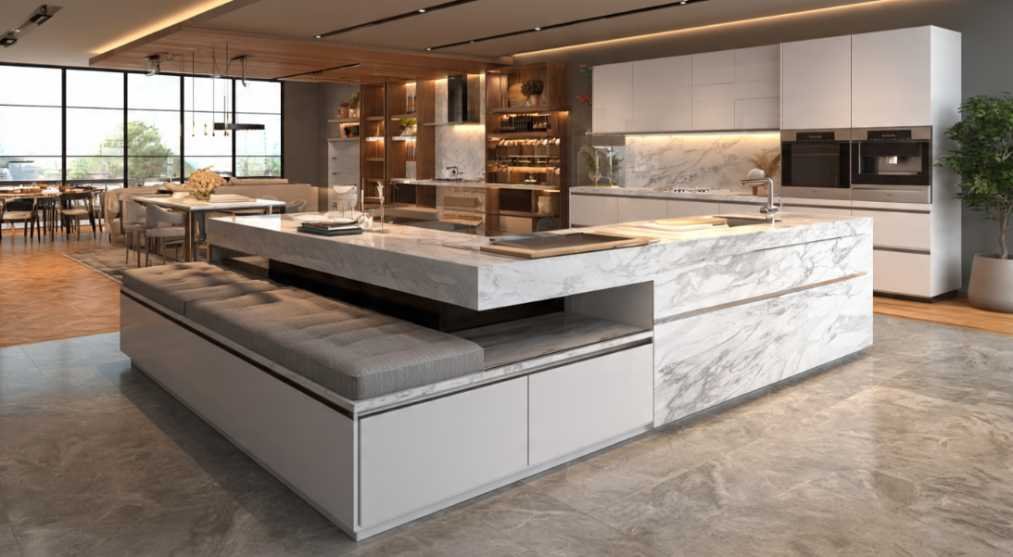
The island is the centerpiece of the modern family kitchen. To maximize its utility, it should include a generous overhang for seating. This allows the island to function as a breakfast bar, a place for children to do homework, or a casual spot for guests to sit and talk while the host prepares food.
Including a secondary sink or a built-in charging station on the island can further enhance its functionality. A small prep sink allows a second person to wash vegetables or fill water glasses without interfering with the main cleaning zone.
Meanwhile, integrated power outlets and USB ports ensure that tablets and laptops stay charged during homework sessions, keeping the kitchen as the central nervous system of the home.
A well-planned kitchen island can support homework, meals, and daily conversations, backyard that boost your home’s value can turn outdoor areas into more useful family spaces.
Enhancing Visibility with Layered Lighting
A safe kitchen is a well-lit kitchen. Layered lighting ensures that every corner of the room is visible and that tasks can be performed safely. Ambient lighting provides the general illumination for the room, but task lighting is what truly makes a kitchen functional.
Under-cabinet LED strips are essential for illuminating the primary work surfaces, ensuring that there are no shadows when using knives or reading recipes.
Pendant lights over an island or dining area add a decorative element while focusing light where people gather. For families with young children, it is also helpful to install motion-sensor toe-kick lighting. These low-level lights turn on automatically when someone walks into the room at night, providing a safe path for a midnight glass of water without the need to fumble for a bright overhead switch.
Creating a Sustainable and Inviting Environment
Designing a family-friendly kitchen is about more than just safety and storage; it is about creating a space where the family wants to spend time together. By choosing timeless colors and high-quality materials, the kitchen will remain functional and attractive as the children grow.
A family kitchen also supports better daily routines, which is why building healthy home habits can make the space feel cleaner, safer, and easier to manage for everyone.
The integration of durable surfaces, smart layouts, and thoughtful safety features ensures that the kitchen remains a productive and joyful part of the home for years to come.
| Feature | Family Benefit |
|---|---|
| Rounded Countertop Edges | Prevents head injuries for small children |
| Induction Cooktop | Cooler surface reduces burn risks |
| 48-inch Wide Aisles | Facilitates easy movement for multiple people |
| Soft-Close Cabinetry | Protects fingers and reduces noise |
| Dedicated Snack Zone | Promotes child independence and keeps prep areas clear |