

A small asphalt patch begins with understanding the damaged area, not simply buying a bag of repair material. Surface deterioration, an isolated pothole, and widespread movement can require different responses. A patch may be useful for a limited repair while leaving a deeper drainage or base problem unresolved.
Measure the area from a safe position and note the approximate depth and surrounding condition. Record whether water collects there and whether the damage has returned after earlier repairs. These observations help you ask more useful questions about the repair approach.
Follow the product requirements for the actual repair
If you are considering a packaged patching product, read its current application instructions before buying. Preparation, layer depth, compaction, and traffic requirements can vary. Do not assume that instructions for one product apply to another or that the bag quantity can be estimated from surface area alone.
When checking availability of EZ Street asphalt in Draper, Utah, confirm the package size and ask where to find the manufacturer’s instructions. Calculate material needs using the product’s stated coverage and the measured repair dimensions. Keep people clear of the work area and use appropriate precautions around traffic. If the area shows extensive failure or a recurring water problem, obtain a professional assessment before treating another patch as a lasting solution.
Before starting, identify what would make the repair unsuitable for a small DIY patch. A large or repeatedly failing area, uncertain underlying conditions, or a location exposed to moving traffic may warrant professional assessment. Similar decisions apply when deciding when to lift concrete instead of replacing it. The product’s convenience should not be the reason to ignore the site problem.
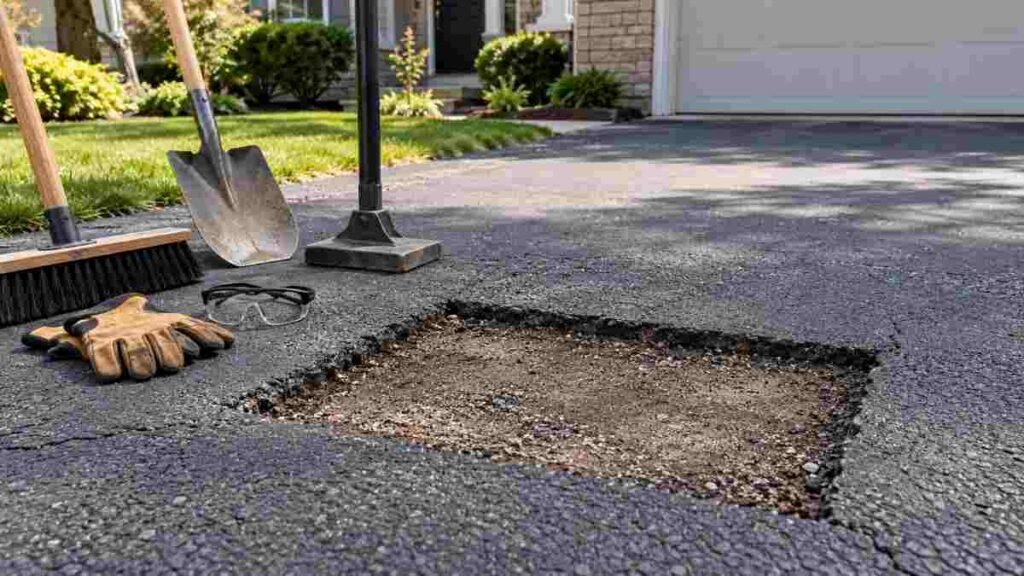
If the repair is appropriate, plan the whole task before opening the material. Confirm the preparation and compaction tools, protective equipment, weather limitations, and arrangements for keeping the area clear. Use the current manufacturer instructions to organize the work rather than borrowing steps from a different product. Keep the packaging information and a photograph of the completed patch for later reference if the area deteriorates again.
Make the scope visible
Before approving work, ask for a description of what will be inspected, repaired, replaced, and left alone. Photos and measurements help, but they do not reveal every concealed condition. A proposal should explain which assumptions depend on further inspection and how discoveries will be handled.
Keep functional requirements separate from appearance preferences. The first group may include water management, safe access, or compatibility with existing materials. The second may include color or finish. Both matter, but knowing the difference makes it easier to preserve essential work if the budget needs adjusting.
Compare the work behind the price
Two prices are difficult to compare when they describe different jobs. Check whether preparation, protection of nearby surfaces, disposal, and restoration are included. Ask who coordinates related trades and whether required permits or inspections are part of the quoted scope. Requirements depend on the work and location.
Discuss access and household disruption as well. Contractors may need clear pathways, parking, or temporary use of utilities. Pets, children, and work-from-home schedules can affect daily arrangements. Addressing these details before work begins gives everyone a clearer understanding of what the project involves beyond the finished result.

Keep a short project checklist
- Record the existing condition with dated photographs from safe locations.
- Save the agreed scope, product details, and relevant drawings together.
- Ask how changes will be priced and approved before additional work.
- Confirm who will answer questions while the work is underway.
- Request care instructions and applicable warranty documents at completion.
Plan for the completed work
Ask what routine care the finished work will need and which early signs should prompt a follow-up call. Some materials require specific cleaners or maintenance methods. Other components need periodic inspection rather than frequent treatment. Written instructions are easier to follow than a brief conversation during cleanup. Maintenance planning can also support simple ways to create a greener backyard oasis.
Before the final walkthrough, compare the completed work with the agreed scope and note any unresolved items. Keep photographs of concealed work when available, along with invoices and product information. These records can help with future repairs or changes. A successful project leaves the homeowner with both a functional result and enough information to look after it responsibly.
Ask what conditions would make the proposed approach unsuitable. A responsible explanation may identify damage that cannot be evaluated until an area is opened or an existing component is removed. Agree on the point at which work would pause for a new decision. Keeping that boundary clear is especially useful when several repairs depend on each other. It lets the homeowner understand the limits of the initial proposal without treating every unknown as a reason to approve additional work in advance.
Ask Granite Landscape Centers about product availability and current application instructions before purchasing materials for an asphalt patch.