
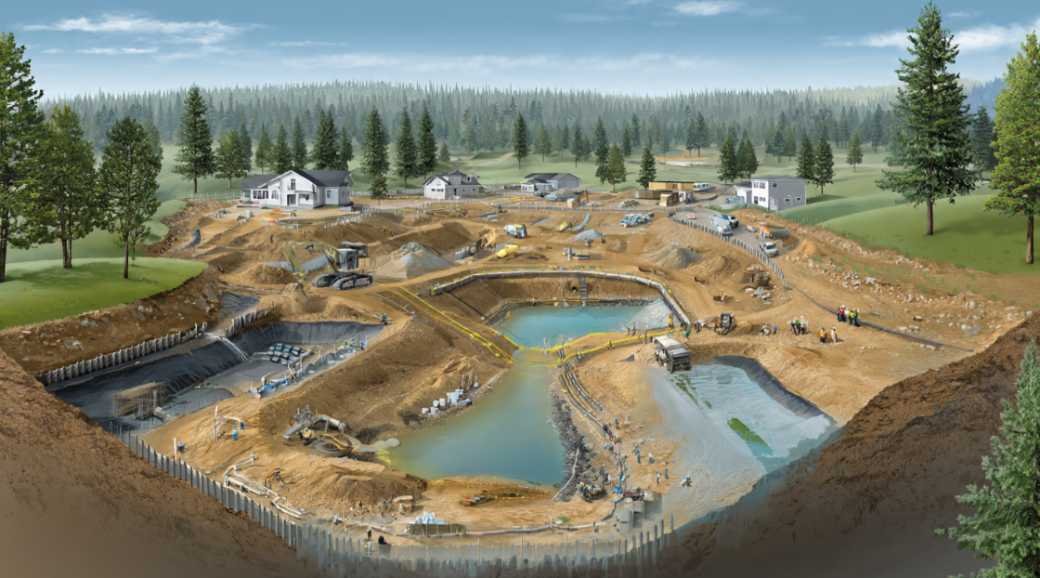
Managing a construction site involves far more than scheduling crews and ordering materials. It requires a deep understanding of the regulatory environment that governs how development interacts with the natural world.
Among the most critical components of this management is stormwater compliance. When construction activities disturb the land, the natural processes that filter rainwater are disrupted. Without proper controls, runoff can carry sediment, chemicals, and debris into local waterways, leading to significant environmental degradation and potential legal trouble for the project owner.
Understanding the Regulatory Landscape
Before breaking ground, it is necessary to grasp the broader legal framework that oversees construction projects. Regulations exist at federal, state, and local levels to ensure that developers take responsibility for their environmental footprint.
The complexity of these rules often requires dedicated personnel to ensure every requirement is met throughout the duration of the build.
At the federal level, the Clean Water Act provides the foundation for water quality standards. It requires that projects exceeding a certain size, typically those disturbing one or more acres of land, obtain specific permits to discharge stormwater.
These permits, often managed through the National Pollutant Discharge Elimination System, are not merely suggestions. They are legal requirements that mandate careful planning and implementation of control measures. The goal is to reduce the discharge of pollutants to the maximum extent practicable.
Beyond these federal guidelines, local jurisdictions often enforce their own ordinances. These can be more stringent than federal rules, sometimes addressing specific regional soil conditions or sensitive local habitats.
Municipalities may require specific types of filtration systems or have unique reporting schedules that must be strictly followed.
Ignoring these requirements can result in stop-work orders, hefty fines, and damage to the professional reputation of the organization.
The Role of the Stormwater Pollution Prevention Plan
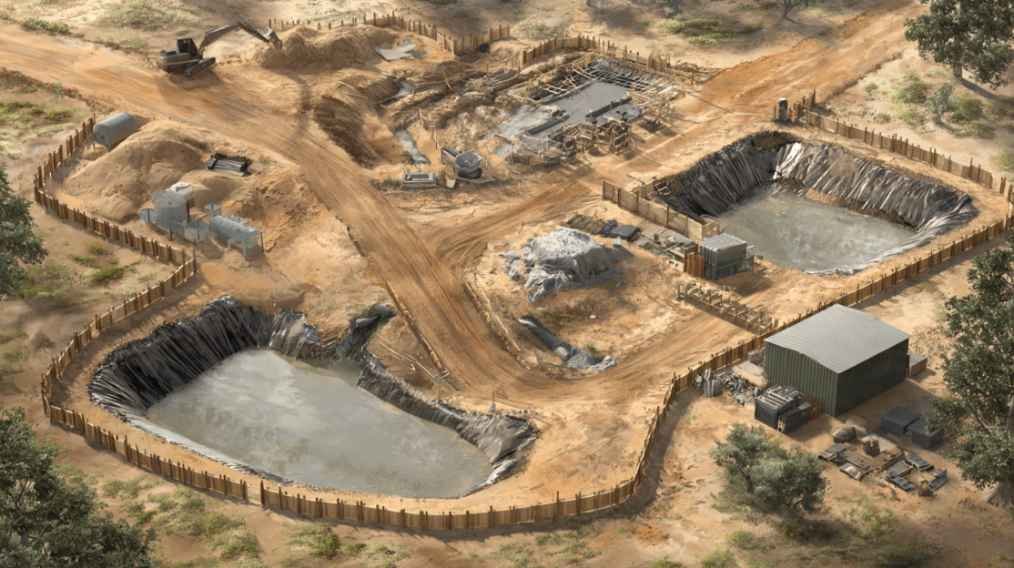
The cornerstone of effective stormwater management is the Stormwater Pollution Prevention Plan, commonly known as a SWPPP. This document serves as the project blueprint for water quality. It is not a static template that can be copied from one site to another.
Instead, it must be customized to reflect the specific layout, drainage patterns, and activities of the current project. A well-crafted plan acts as both a roadmap for the construction team and a compliance record for inspectors.
A comprehensive plan identifies the potential sources of pollutants and outlines the strategies that will be used to mitigate them. This includes detailing how the site will handle erosion, manage waste, and track the maintenance of control devices.
By defining these expectations clearly before construction starts, project teams can integrate environmental controls directly into the construction schedule rather than treating them as an afterthought. The plan must also be updated regularly to reflect changes in the site layout as the project moves through different phases of development.
Implementing Best Management Practices
Once the plan is in place, the focus shifts to field implementation. This involves using Best Management Practices (BMPs) to trap sediment and filter runoff. These practices are generally categorized into two groups: erosion control and sediment control.
Erosion control prevents soil from being moved in the first place, while sediment control captures soil that has already been displaced by water or wind.
Common methods include the installation of silt fences along the perimeter, the use of sediment basins to capture runoff for filtration, and the application of vegetation buffers or hydroseeding to stabilize disturbed soil.
Stabilized construction entrances are also vital for preventing heavy machinery from tracking mud onto public roadways.
These practices must be installed correctly and maintained throughout the lifecycle of the project. If a fence is knocked over by heavy machinery or a basin fills with silt, it must be repaired or cleaned immediately to remain effective.
The goal is to keep the site stable, ensuring that rainwater leaves the property as cleanly as possible. This proactive approach prevents small issues from escalating into major violations that could stall project progress.
Monitoring and Maintaining Compliance
Compliance is an ongoing responsibility that persists as long as the site remains disturbed. Project managers need to establish a rhythm of accountability.
Documentation is essential during this phase. You must maintain detailed records of all control measures, including their installation dates, maintenance logs, and any modifications made to the original plan as site conditions evolve.
Routine monitoring is vital to ensure that these controls are working under various weather conditions. A SWPPP inspection should be conducted at regular intervals and after significant rainfall events to evaluate the condition of all erosion and sediment controls.
These evaluations allow the team to identify deficiencies, such as damaged barriers or blocked drainage inlets, and correct them before they contribute to off-site pollution. Detailed reports from these assessments provide the necessary evidence to regulators that the project is being managed with due diligence.
Building a Culture of Responsibility
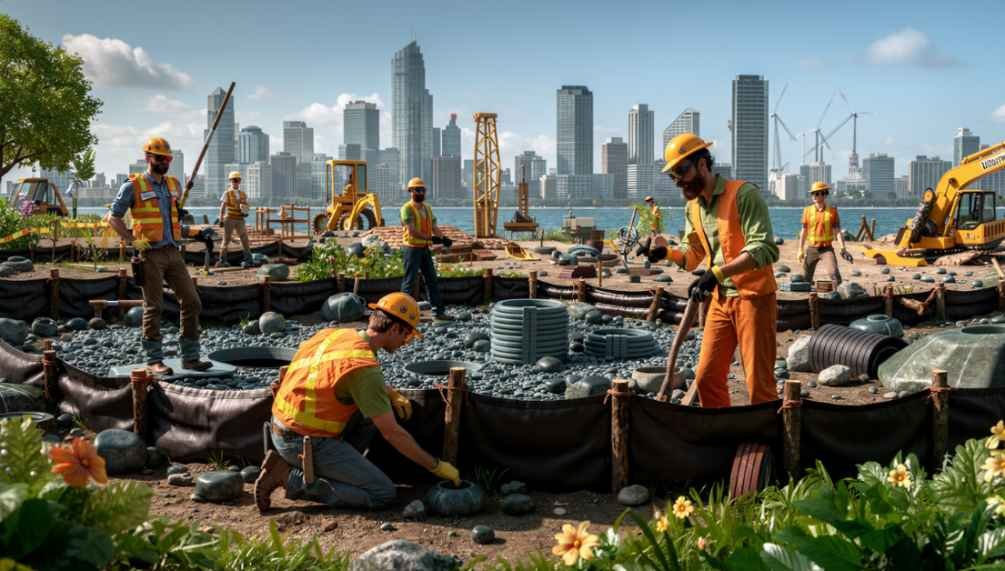
The most successful construction projects treat environmental compliance as a core value rather than a box to be checked. This requires training the entire workforce.
From site superintendents to subcontractors, everyone on the property should understand their role in protecting local water quality. Simple actions, such as properly storing chemicals or cleaning up small spills immediately, can have a massive impact on the overall compliance of the site.
When employees know why they are installing silt fences or covering waste materials, they are more likely to execute these tasks correctly.
Clear communication regarding the legal and financial consequences of non-compliance helps to reinforce the importance of these tasks. Regular toolbox talks can be used to remind the crew of their environmental responsibilities and to update them on any changes to the site management plan.
Furthermore, leveraging technology can streamline this process. Digital management tools now allow teams to track permit statuses, log inspection data in real time, and receive automated alerts for maintenance deadlines.
These tools reduce the likelihood of human error and provide a clear audit trail that can be used to demonstrate diligence to regulatory agencies. Using these systems ensures that no task is overlooked, even on large and complex job sites.
The same mindset applies beyond construction sites, where simple choices like choosing the indoor plants for healthier happier home can support cleaner, more thoughtful living environments.
Long-Term Benefits of Stewardship

While the primary driver for stormwater management is regulatory compliance, the long-term benefits extend much further. Protecting local ecosystems enhances the reputation of a firm and builds trust within the communities where they operate. Stewardship reflects a commitment to the public good, which can be a competitive advantage when bidding on future contracts.
Responsible planning matters in many property decisions, whether managing stormwater on a job site or choosing your home’s charm exterior upgrades that work wonders to improve curb appeal and long-term value.
Just as construction firms benefit from responsible long-term planning, homeowners can improve property value and efficiency by understanding that upgrading windows will be best investment for home.
Projects that prioritize environmental stewardship often face fewer delays and enjoy smoother relationships with local planning departments.
By avoiding the fines and legal fees associated with violations, companies can protect their profit margins and ensure project timelines are met.
Ultimately, managing stormwater effectively is an investment in the long-term success and sustainability of the project, ensuring that development and ecological health can coexist for the benefit of future generations.