
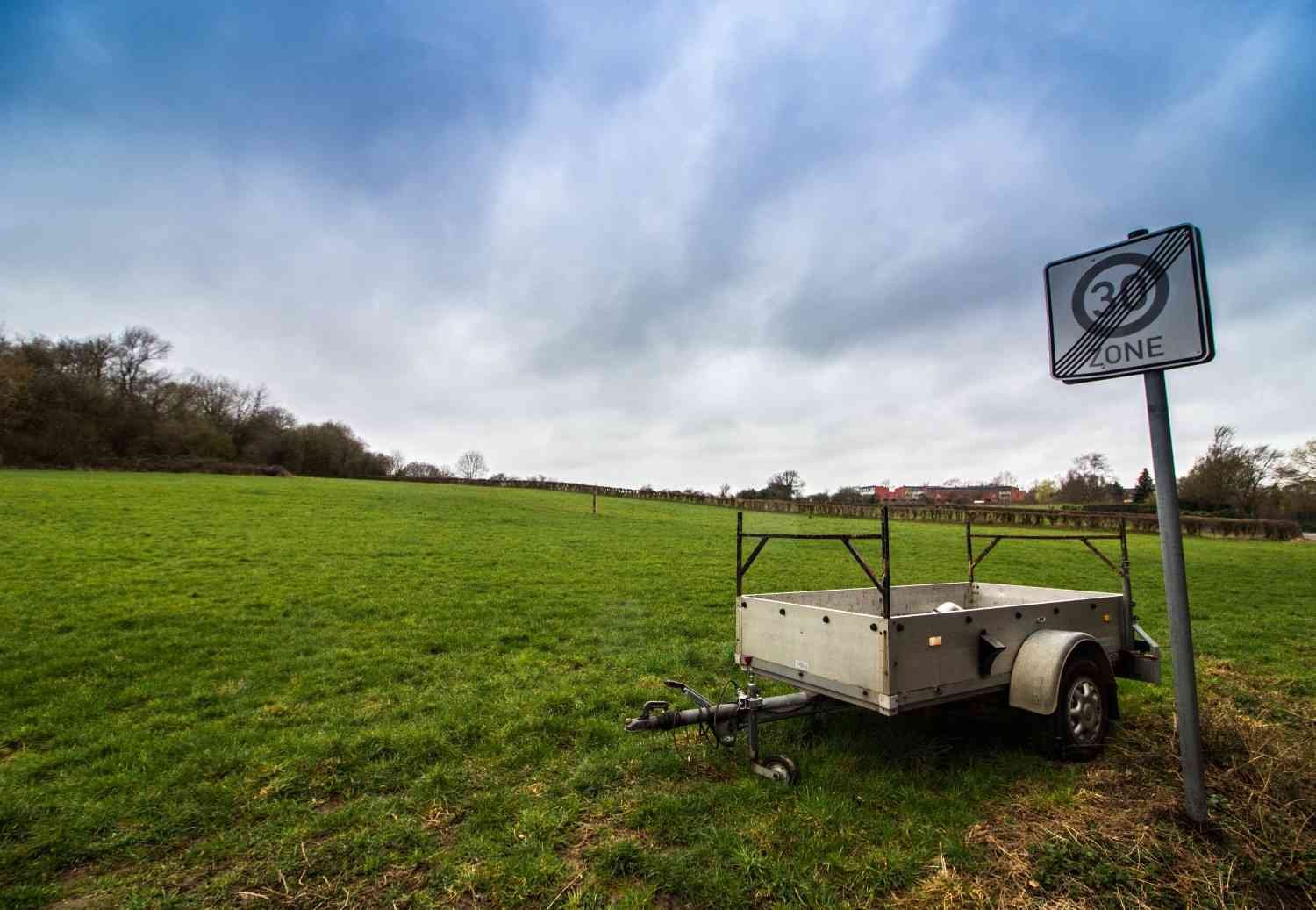
Landscaping projects often require transporting materials, equipment, and debris. Whether you’re hauling mulch and soil, moving lawn equipment, or clearing yard waste, the right trailer can make your operations much more efficient. Choosing the best trailer isn’t just about size; it’s about evaluating your business needs, workload, and long-term goals.
For landscaping professionals, the right trailer can boost productivity, reduce labor, and help projects run smoothly. Understanding which key features to look for will ensure you make a valuable long-term investment.
Understand Your Typical Hauling Needs
The first step in choosing the best trailer is evaluating the type of work you perform most often. Different landscaping projects require different hauling capabilities.
Ask yourself the following questions:
- What materials do you transport regularly?
- How much weight do you typically haul?
- Do you need to move equipment frequently?
- How often do you remove debris from job sites?
- Will the trailer be used daily or occasionally?
For example, a company hauling mulch and soil has different trailer needs than one transporting heavy equipment like skid steers and mowers. Knowing your daily requirements will help you choose a trailer that efficiently supports your operations.
Consider Dump Trailers for Versatility
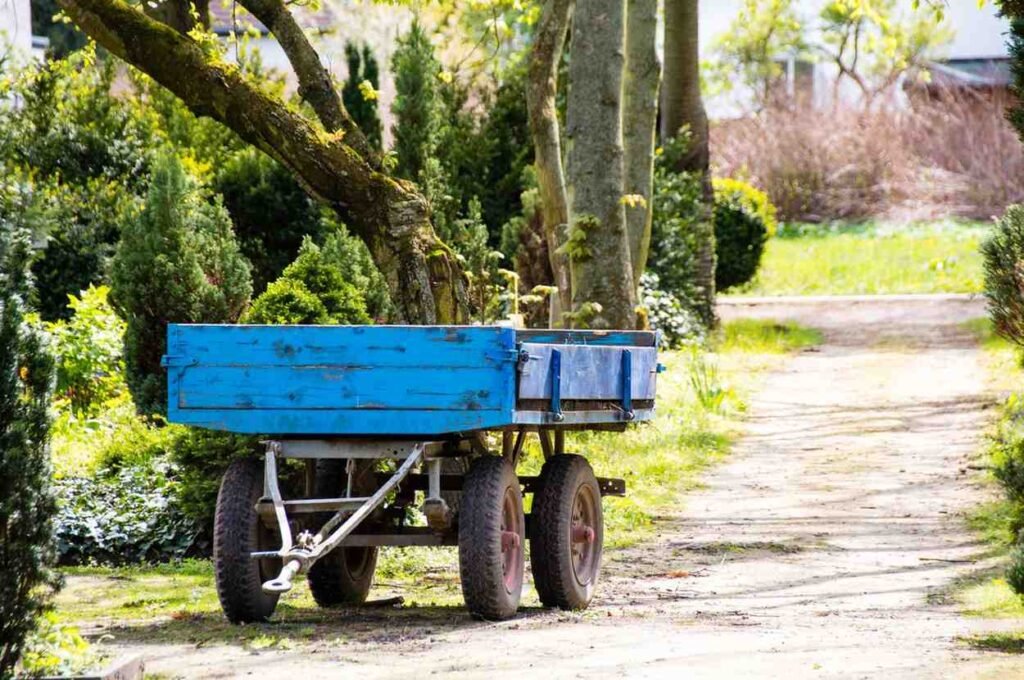
A dump trailer is one of the most popular options for landscaping businesses. Its hydraulic lifting system offers exceptional versatility, allowing you to transport materials and unload them quickly. Many contractors searching for dump trailers in Utah appreciate this convenience when handling soil, gravel, rock, mulch, and branches.
Instead of manually unloading heavy loads, operators can raise the trailer bed and dump the contents where needed, saving time and physical labor on every project. This ability to quickly load, transport, and unload materials makes dump trailers an efficient solution for landscaping professionals.
Pay Attention to Trailer Capacity
Choosing the right trailer size is critical for maximizing efficiency. A trailer that is too small may require multiple trips, while an oversized trailer may be more difficult to maneuver and maintain.
Capacity considerations include:
- Gross Vehicle Weight Rating (GVWR)
- Payload capacity
- Trailer dimensions
- Equipment storage needs
- Future business growth
It’s often wise to choose a trailer that can handle slightly larger loads than you currently need. This allows for business growth without requiring immediate equipment upgrades. Proper capacity planning boosts productivity and prevents unnecessary wear on your vehicles and trailers.
Evaluate Trailer Construction Quality
Look for features such as:
- Heavy-duty steel construction
- Reinforced frames
- Strong suspension systems
- Durable flooring materials
- Quality welds and hardware
Investing in a well-built trailer can reduce maintenance costs and provide reliable performance over many years of use. Durability becomes especially important for businesses that operate year-round in varying weather conditions.
Think About Equipment Transportation
Many landscaping companies transport more than just materials; they also need to move mowers, compact loaders, and other heavy equipment. This makes trailer selection one of the often overlooked parts of home maintenance and landscaping operations, especially when equipment needs to be moved safely between job sites. When choosing a trailer, ensure it can safely accommodate your machinery.
Features like ramps, tie-down points, and spacious decks simplify loading and securing equipment. A single trailer that can haul both materials and machinery increases flexibility and eliminates the need for multiple hauling solutions, streamlining your operations and boosting efficiency.
Focus on Safety Features
Safety should always be a priority when selecting a trailer. Proper safety features help protect both your crew and other drivers on the road.
Important safety considerations include:
- Reliable braking systems
- High-quality tires
- Proper lighting
- Secure tie-down points
- Safety chains
- Stable suspension systems
A trailer that performs safely under heavy loads reduces risks and helps ensure compliance with transportation requirements. Reliable safety features contribute to greater confidence when traveling between job sites and supply locations.
Consider Ease of Maintenance
Routine maintenance is essential for keeping a trailer in good working condition. Choosing a trailer that is easy to inspect and maintain can save valuable time and money.
Look for designs that provide easy access to:
- Hydraulic components
- Brake systems
- Electrical wiring
- Suspension parts
- Tires and wheels
Regular maintenance helps extend the life of the trailer while reducing the likelihood of costly repairs or downtime. Simple maintenance procedures make it easier to keep equipment operating at peak performance.
Think Long-Term Value
The lowest-priced trailer is not always the best investment. It is important to consider the overall value a trailer will provide throughout its lifespan.
Factors that contribute to long-term value include:
- Durability
- Versatility
- Productivity improvements
- Maintenance requirements
- Resale potential
A quality trailer that supports multiple landscaping applications often delivers a stronger return on investment than a cheaper option with limited capabilities. Focusing on long-term value helps landscaping businesses make smarter purchasing decisions that support future growth.
Conclusion
Choosing the best trailer for a landscaping business requires careful consideration of hauling needs, equipment requirements, capacity, durability, and safety features. The right one can improve efficiency, simplify material handling, and help crews complete projects more effectively.
For landscaping professionals, a flexible and reliable trailer can make a significant difference in daily operations. Whether you’re transporting materials, hauling equipment, or removing debris, the right trailer is an essential tool that supports productivity and long-term success.