
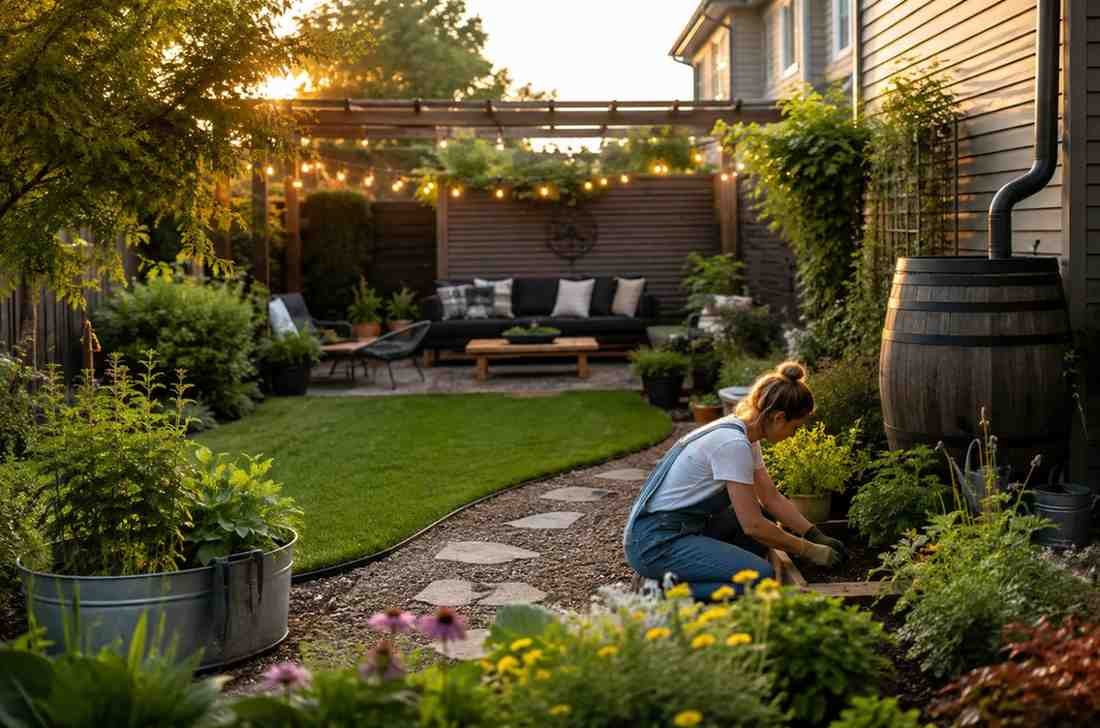
A lush, vibrant backyard is a wonderful sanctuary right outside your door. But achieving that beautiful landscape often comes with hidden environmental costs, from excessive water usage to reliance on chemical treatments. Cultivating a green outdoor space means more than just having healthy grass. It involves building a sustainable ecosystem that supports local wildlife, conserves precious natural resources, and minimizes pollution.
Transitioning to an environmentally conscious gardening approach might seem daunting at first. However, small adjustments to your regular maintenance routine can yield significant ecological benefits. Making mindful choices about what you plant, how you water, and how you manage soil health completely transforms the impact your property has on the local environment.
The shift toward sustainable landscaping also rewards the gardener. Eco-friendly yards generally require less maintenance over time, lower your water bills, and create a safer environment for children and pets to play. Here are five practical methods to help you cultivate a thriving, sustainable backyard.
1. Prioritize Soil Health with Composting
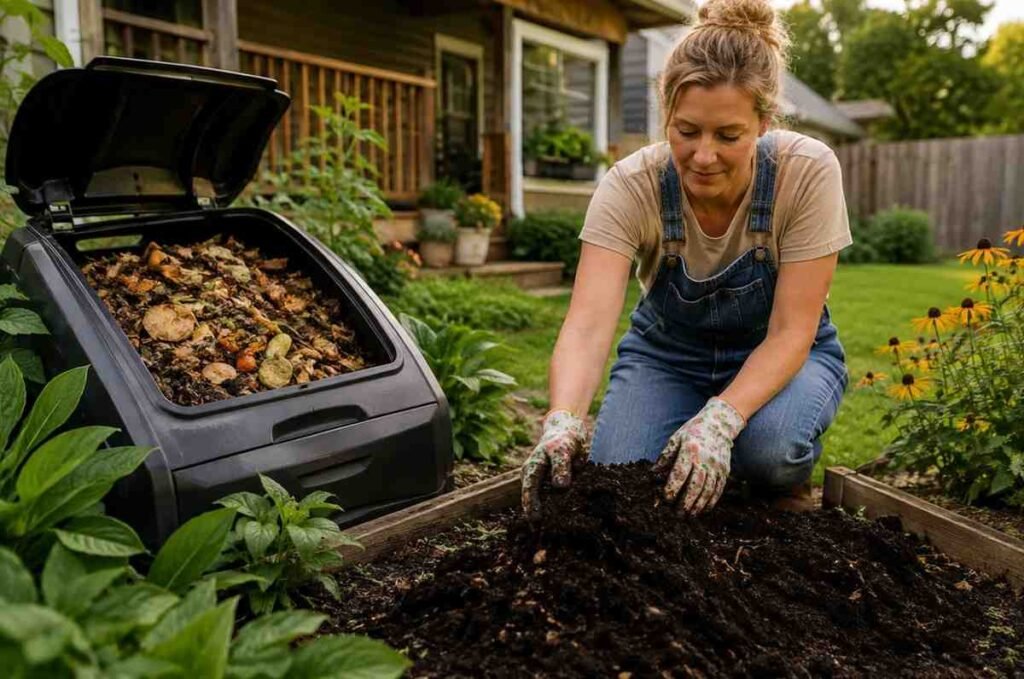
Healthy plants start with healthy soil. Instead of relying on synthetic fertilizers that can wash away and pollute local waterways, organic compost provides a steady, natural source of nutrients. Composting at home is an excellent way to reduce household waste, as you can repurpose vegetable scraps, coffee grounds, and yard clippings into dark, nutrient-rich soil amendments.
When you add compost to your garden beds, it improves soil structure, enhances water retention, and encourages beneficial microbial activity. If you do not have the time or space to start your own compost pile from scratch, you can always source high-quality materials locally.
For example, utilizing an organic compost delivery in Salt Lake City can instantly boost your garden’s fertility and give your plants the organic foundation they need to thrive.
2. Choose Native and Drought-Resistant Plants
The types of plants you select play a massive role in how much water and energy your backyard requires. Traditional turf lawns and exotic ornamental flowers often demand constant irrigation and heavy chemical support to survive in climates they are not adapted to, while sustainable landscaping choices can also become Backyard Projects That Boost Your Home’s Value.
Native plants, on the other hand, have naturally evolved to flourish in your specific region. They require significantly less water, are more resilient against local pests, and provide vital habitats for native birds and pollinators.
If you live in an arid climate, incorporating drought-resistant species like lavender, yarrow, or ornamental grasses will keep your yard looking beautiful while drastically reducing your water consumption, making them resilient plants that thrive in any yard.
3. Implement Rainwater Harvesting
Conserving water is a cornerstone of any sustainable yard. One of the most effective ways to lower your municipal water usage is by capturing the rain that falls on your roof. Installing a rain barrel at the base of your gutters allows you to collect and store hundreds of gallons of water during wet seasons.
Rainwater is naturally soft and free from the chlorine and fluoride often found in tap water, making it incredibly beneficial for your plants. You can use this harvested water during dry spells to hydrate your flower beds, vegetable gardens, and potted plants, ensuring your landscape stays green without straining local water supplies.
4. Embrace Natural Pest Control
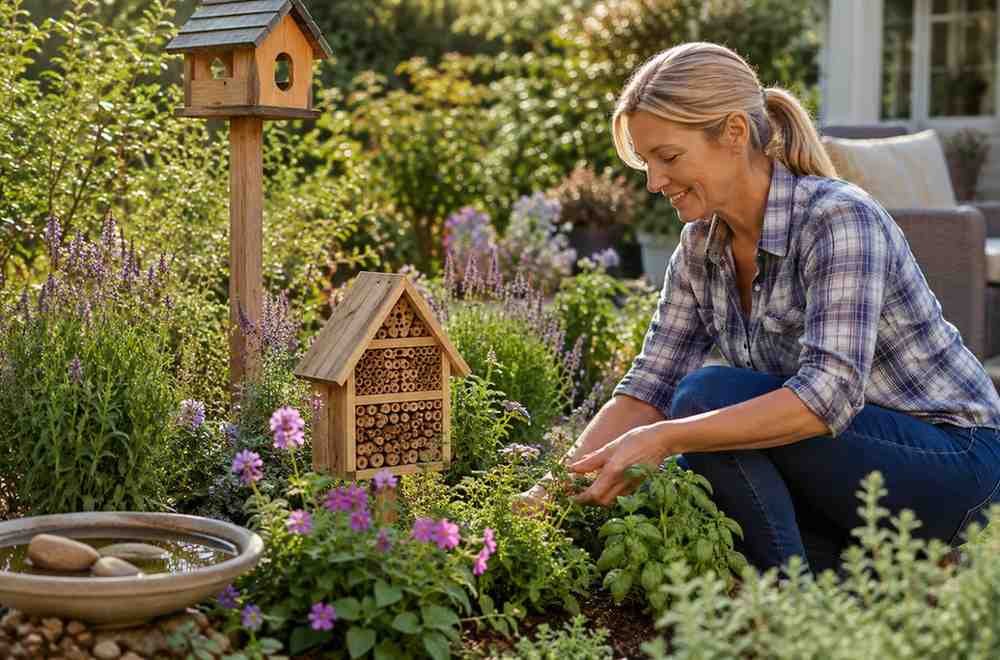
Chemical pesticides might offer a quick fix for garden pests, but they often indiscriminately kill beneficial insects like bees, butterflies, and ladybugs. These chemicals can also linger in the soil and run off into groundwater.
Instead of reaching for synthetic sprays, try integrating natural pest management techniques. Companion planting is a highly effective strategy. For instance, planting marigolds near your vegetables can deter harmful nematodes and beetles. Additionally, you can introduce beneficial insects into your garden. Ladybugs and lacewings act as natural predators, keeping aphid populations entirely under control without introducing a single toxin to your yard.
5. Adopt Eco-Friendly Lawn Care Practices
If you maintain a grass lawn, adjusting your mowing and maintenance habits can vastly improve its environmental footprint. First, adjust your mower blade to a higher setting. Taller grass shades the soil, which reduces moisture evaporation and prevents weed seeds from germinating.
Furthermore, you can practice “grasscycling” by leaving grass clippings on the lawn after you mow. As these clippings decompose, they return valuable nitrogen and organic matter directly to the soil, functioning as a free, natural fertilizer. Finally, consider replacing gas-powered lawn equipment with electric or manual alternatives to cut down on noise pollution and carbon emissions.
Sustaining a Thriving Outdoor Environment
Building a greener backyard is a continuous, rewarding process. By focusing on organic soil treatments, mindful plant selection, and natural maintenance techniques, you establish an outdoor space that works in harmony with nature. These practices foster a resilient landscape that withstands weather fluctuations and supports local biodiversity. Ultimately, an eco-friendly garden allows you to enjoy a beautiful, vibrant yard while acting as a responsible steward of the local environment.