
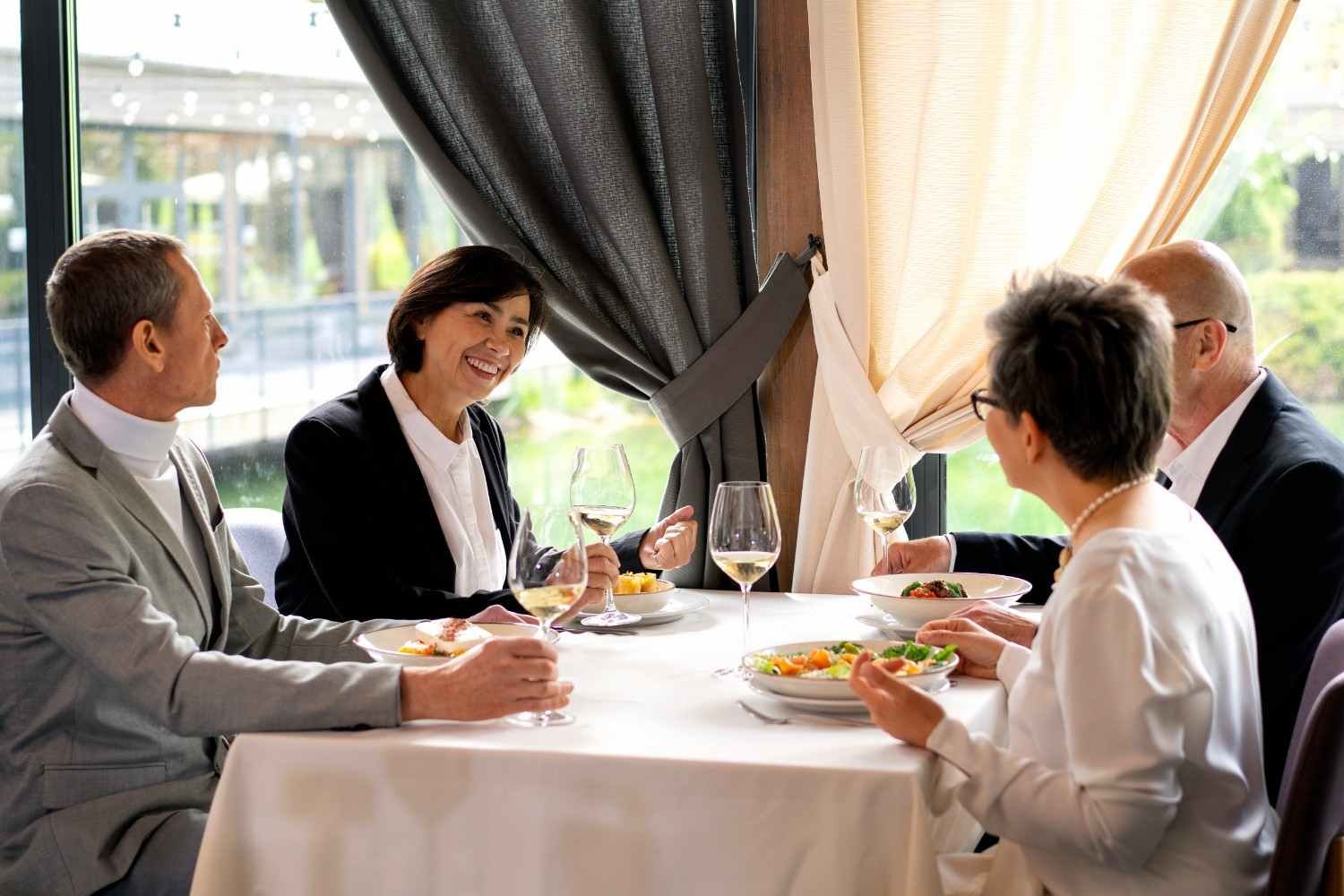
A restaurant dinner with varied preferences works best when guests have genuine choices without the organizer trying to choose every dish. Ask about the needs that affect the venue decision, such as allergies, dietary restrictions, accessibility, and the preferred price range.
Separate a strong preference from a medical restriction. Both deserve consideration, but an allergy may require a direct conversation about preparation and cross-contact. Guests should be able to raise private concerns with the restaurant rather than explain their health history to the whole group.
Choose for range and clarity
Review the current menu for enough suitable options across the group. Do not assume that a restaurant associated with one style of food offers nothing else, or that a menu label establishes safety for every restriction. Ask staff about uncertain ingredients and preparations.
When considering fine dining in Sandy, Utah, explain the group’s needs before making a final booking. Confirm whether the restaurant can accommodate them and what information it needs in advance. Send guests the menu and essential reservation details, then leave room for individual ordering. A successful mixed-preference dinner does not require everyone to eat similarly. It requires a setting where people can make informed choices and enjoy the same evening without feeling like an exception to the plan.
For a group with different budgets, discuss the general price range before booking rather than waiting until everyone is seated. Shared starters and sides can complicate payment when people expect to pay only for their own choices. Agree on the broad arrangement and ask the restaurant whether it can accommodate it.
Do not ask a guest to rely on the organizer’s interpretation of an allergy question. Offer the restaurant’s contact information so the guest can discuss the concern directly if preferred. The organizer’s role is to make a suitable venue and clear plan available. Guests should retain enough choice to order comfortably without feeling responsible for disrupting the evening.
Plan around the people at the table

Before choosing the details, ask about dietary restrictions, accessibility needs, and the preferred pace of the evening. Guests do not need identical tastes to enjoy the same restaurant. They do need enough information to know whether the setting and menu can accommodate them.
Review the current menu and contact the restaurant about questions that cannot be answered online. Ingredient lists and preparation methods can change. Anyone with a food allergy should discuss it directly with staff and explain the seriousness of the concern. Never assume that a dish is suitable because a similar version elsewhere was safe.
Use the reservation to prevent surprises
Confirm the date, party size, and any special arrangements when booking. For groups, ask about seating, arrival windows, deposits, and cancellation terms. Policies vary by restaurant and may differ for private events. Clarify them before collecting money or sending invitations. These details are also worth understanding for anyone starting a food business, since clear booking and payment policies can shape the guest experience.
A budget is easier to manage when it includes more than the main course. Consider starters, sides, beverages, taxes, gratuity, and any agreed event charges. If guests will pay separately, ask whether the restaurant can handle the arrangement. Resolving payment expectations beforehand keeps the end of the meal from becoming the most complicated part of the evening.
A short planning checklist
- Check the current menu rather than an old photograph.
- Share dietary and accessibility questions before arrival.
- Confirm the reservation and any seating requests.
- Include extras and service charges in the budget.
- Leave enough time for the meal and the trip home.
Leave room to enjoy the meal
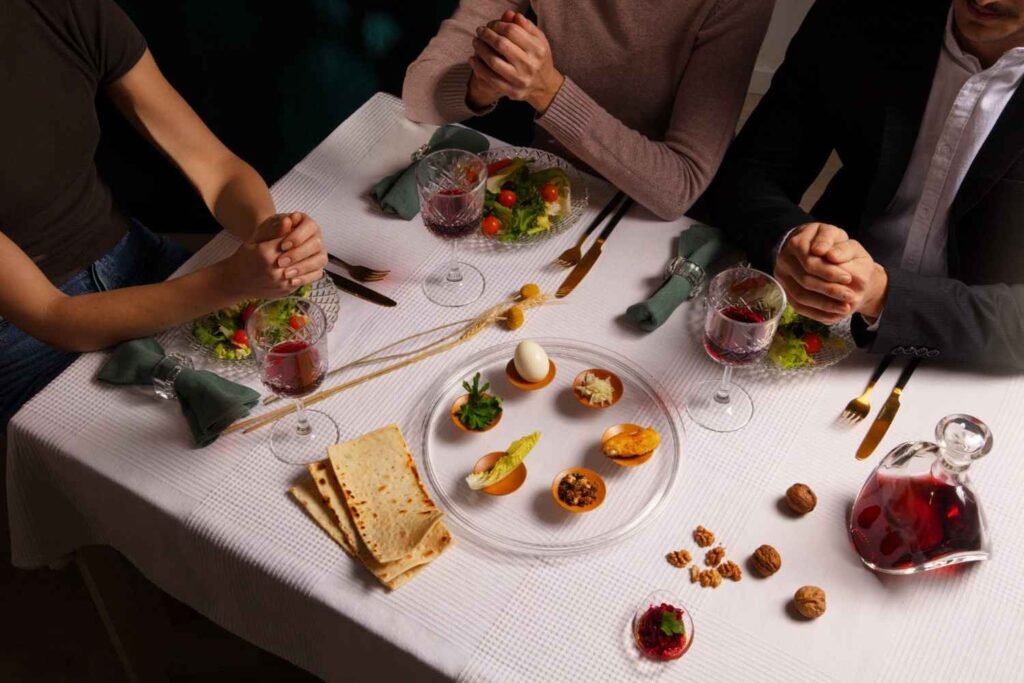
A good plan removes uncertainty without scripting every moment. Decide which details matter most, then let the restaurant guide the service. Staff can explain unfamiliar dishes, suggest an ordering sequence, and clarify portion sizes. Asking a straightforward question is more useful than guessing from a description.
If the meal marks a celebration, tell the restaurant what you are hoping to arrange and ask what is actually available. Do not assume decorations, special desserts, or a particular table are included. A little advance coordination helps the evening feel comfortable and gives guests more attention for the food, the conversation, and one another.
For a mixed group, share useful information without asking everyone to commit to an order far in advance unless the restaurant requires it. A current menu link, a clear arrival time, and a straightforward explanation of payment arrangements are usually more helpful than a long set of instructions. Let guests raise private dietary questions directly with staff if they prefer. Good organization makes people comfortable while preserving enough flexibility for the evening to feel like a meal together.
Contact Libertango before booking to discuss your group’s preferences, dietary needs, and a comfortable plan for dinner.