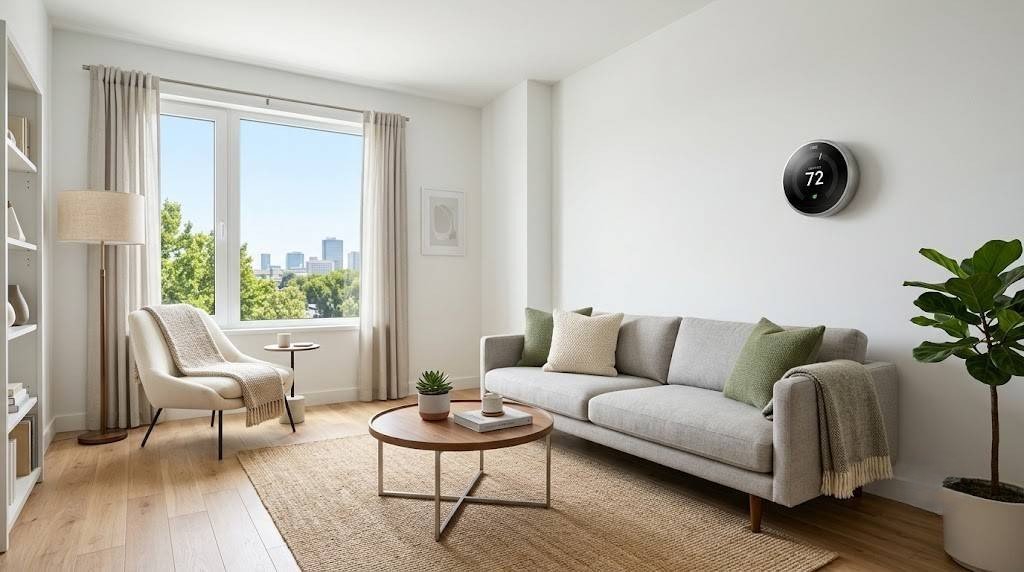

Your home is more than just walls and a roof—it’s where memories are made, comfort is found, and life unfolds. But just like us, homes show signs of aging, stress, and neglect. Sometimes, these signals are subtle—a small leak, a creaking floorboard—but ignoring them can lead to costly problems down the line. Recognizing these red flags early can save both your sanity and your wallet. Here are seven key signs that your home might be ready for a renovation.
1. Outdated Design and Layout

Trends change, and what was stylish a decade ago may feel cramped or outdated today. From closed-off kitchens to poorly lit rooms, an inefficient layout can make daily living frustrating. Renovation offers a chance to modernize your space, improve flow, and create an environment that reflects your current lifestyle.
2. Persistent Plumbing or Electrical Issues
Dripping faucets, slow drains, flickering lights, or circuit breakers that trip frequently are more than minor annoyances—they indicate aging systems that may soon fail. Renovating these areas ensures safety, prevents emergencies, and increases your home’s value.
3. Cracks in Walls or Foundation
Small hairline cracks are common in homes, but large or spreading cracks in walls, ceilings, or the foundation are serious warning signs. These may signal structural problems that require immediate attention. A renovation can address these issues before they escalate into dangerous or expensive repairs.
4. Roof and Exterior Wear

Shingles curling, water stains, or peeling paint are clear indicators that your home’s exterior needs attention. Beyond aesthetics, these issues can lead to leaks, insulation problems, and higher energy bills. Renovating the exterior, including roofing, siding, and gutters—and even considering upgrading windows during this process—helps protect your home and maintain curb appeal.
5. Outdated Kitchen and Bathrooms
Kitchens and bathrooms are the heart and essential parts of your home. Worn countertops, outdated fixtures, or old appliances not only reduce functionality but can also lower your property’s resale value. A thoughtful renovation can transform these spaces into efficient, beautiful areas that make daily life more enjoyable.
6. Rising Energy Bills
If your utility bills are climbing despite no major changes in usage, your home may be losing energy due to poor insulation, drafty windows, or inefficient systems. Renovation provides the opportunity to upgrade to energy-efficient solutions, saving money and reducing your environmental footprint.
7. Flooring and Surface Damage
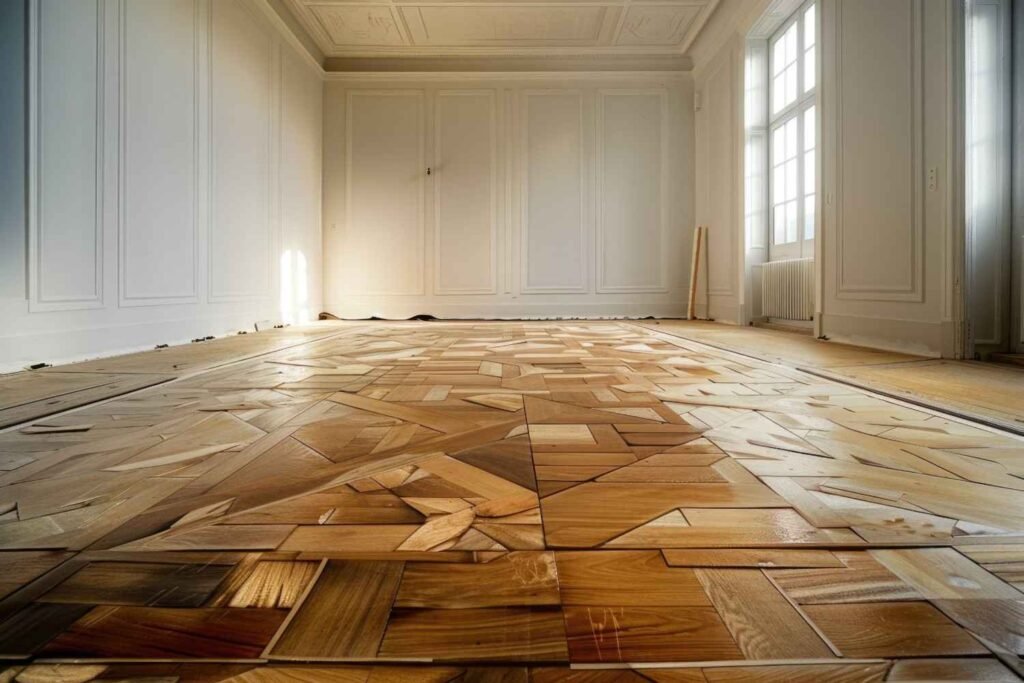
Warped wood floors, cracked tiles, and worn carpets aren’t just cosmetic—they can indicate underlying issues like water damage or subfloor problems. Renovating floors and surfaces restores safety, comfort, and visual appeal, giving your home a fresh, inviting feel.
When to Take Action
Recognizing these red flags early allows homeowners to plan and budget effectively. Renovation doesn’t always mean a full-scale remodel; sometimes small updates and repairs are enough to restore comfort and value. If you’re considering major changes, consult professionals to assess your home’s needs and develop a renovation plan.
For many homeowners, financing these upgrades is a practical consideration. Home loans in Orem, Utah, for example, can provide the necessary capital to renovate without straining your savings. Choosing the right loan ensures you can improve your home responsibly while protecting your financial future.
Final Thoughts
Your home is constantly communicating with you, and paying attention to its signs can prevent minor annoyances from becoming major headaches. From structural issues to outdated designs, addressing renovation red flags not only enhances comfort but also increases your property’s long-term value.
Remember, a home renovation is an investment in your lifestyle, safety, and peace of mind. By acting on these warning signs, you ensure that your home continues to be a place of pride, comfort, and lasting memories.