
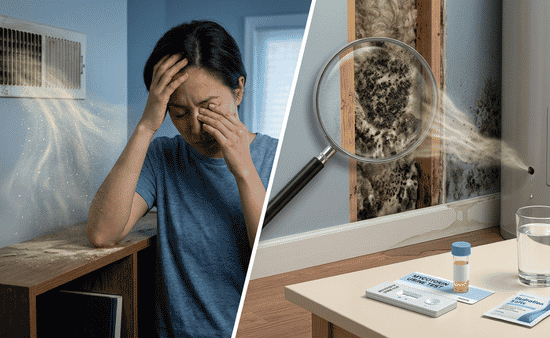
Many individuals spend the majority of their lives indoors, assuming that their home provides a safe and healthy environment. However, modern building practices and common household issues like water leaks can create a hidden biological hazard.
While most people are familiar with the sight of fuzzy green or black mold, the real danger often lies in the invisible chemical byproducts known as mycotoxins. Certain types of fungi produce these toxic secondary metabolites and can linger in the air and dust long after the visible mold has been cleaned. Understanding how to identify the signs of exposure is the first step in reclaiming your health and your home.
Understanding the Difference Between Mold and Mycotoxins
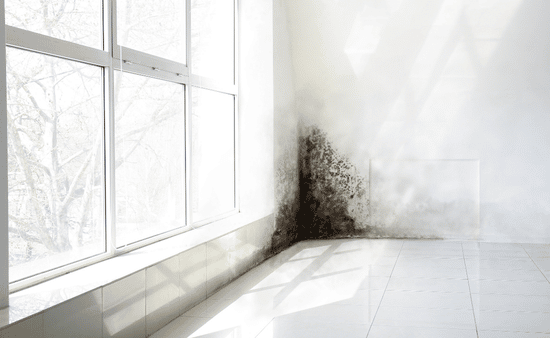
It is vital to distinguish between a mold allergy and mycotoxin toxicity. A mold allergy is an immune system overreaction to inhaled spores, typically resulting in immediate symptoms like sneezing, itchy eyes, or a runny nose. Mycotoxins, on the other hand, are fat-soluble poisons that can accumulate in the body over time.
These toxins are incredibly resilient. They are not living organisms, so killing the mold with bleach or heat does not necessarily neutralize the toxins already present in the environment. They can remain active in drywall, carpeting, and even within HVAC systems for years. Because they are microscopic, they can be inhaled, ingested, or absorbed through the skin, leading to a complex range of symptoms that often mimic other chronic illnesses.
Recognizing the Physical Warning Signs
The human body often provides subtle clues when it is struggling with a toxic load. Because mycotoxins are inflammatory agents, they can affect multiple organ systems simultaneously.
- Respiratory Distress: Beyond simple allergies, chronic exposure can lead to persistent coughing, shortness of breath, or a feeling of tightness in the chest.
- Neurological Issues: This is one of the most common complaints. Individuals often report “brain fog,” which includes difficulty concentrating, memory lapses, and a general sense of mental confusion.
- Chronic Fatigue: Unlike normal tiredness, this exhaustion does not improve with rest. It is a deep, cellular fatigue caused by the body’s constant struggle to process and eliminate toxins.
- Digestive Disturbance: Nausea, bloating, and unexplained food sensitivities can arise as the gut lining becomes inflamed by ingested toxins.
The Impact on the Nervous System
Mycotoxins have a particular affinity for fatty tissues, and the human brain is composed largely of fat. This makes the central nervous system a primary target. In addition to cognitive decline, exposure can lead to mood swings, heightened anxiety, or even depression.
Some people experience strange physical sensations, such as tingling in the extremities or a feeling of “internal vibration.” Because these symptoms are subjective and varied, many people spend years seeking a diagnosis before considering their home environment as the root cause.
Investigating Your Home Environment

If you suspect your house is making you sick, it may be time to repair, update, or replace key home features by looking for the sources of moisture that fuel fungal growth. Fungi do not need a massive flood to thrive; high humidity or a slow, pinhole leak behind a refrigerator is often sufficient.
Check for “ghost” water spots on ceilings, bubbling paint, or a persistent musty odor that does not go away with cleaning. It is also important to inspect the attic and crawl spaces, as these areas often harbor significant fungal colonies that can circulate air throughout the living space via the “stack effect.” Even if a house looks pristine, hidden leaks within the wall cavities can release high concentrations of toxins into the indoor air.
Steps for Validating Exposure
When a doctor cannot find a clear cause for a patient’s multisystem symptoms, environmental testing and biological screening become necessary. One of the most effective ways to determine if these poisons have entered your system is through specialized lab work.
A mycotoxin urine test at home can provide a detailed snapshot of which specific fungal metabolites are currently being excreted by your body. This data is invaluable because it helps bridge the gap between a suspected environmental issue and a confirmed biological impact. Once you know which toxins are present, you can more effectively target your home remediation efforts.
Moving Toward Remediation and Recovery
Recovery from mycotoxin exposure is a two-part process: removing the source of the toxins and supporting the body’s detoxification pathways. Professional remediation is often required to safely remove contaminated materials without spreading the toxins further. Once the environment is clean, focusing on hydration, binders, and clean air will allow the body to begin the slow process of healing. By paying attention to the warning signs and taking proactive steps to test your environment and your health, you can ensure that your home remains the sanctuary it was meant to be.