
Every property owner understands the challenge of maintaining a healthy, vibrant garden. Varying soil conditions, unpredictable weather patterns, and shifting sunlight levels can make cultivating an outdoor space feel like an uphill battle. You might spend hours researching soil pH and watering schedules, only to watch your carefully planted flowers struggle to survive the summer heat or the winter frost.
Fortunately, a beautiful garden does not require a degree in horticulture. The secret lies in selecting resilient, adaptable plant species that can handle fluctuating environments. By focusing on flora with high tolerance to diverse conditions, you can enjoy a lush landscape without dedicating all your free time to maintenance.
Whether you are dealing with heavy clay soil, sandy terrain, full sun, or partial shade, certain plants have evolved to survive and flourish. Below are six robust plants that bring reliable color, texture, and life to almost any yard.
The Best Plants for a Low-Maintenance Yard
1. Hostas
When it comes to shaded or partially shaded areas, hostas are incredibly reliable. These leafy perennials are famous for their lush, textured foliage, which comes in various shades of green, blue, and variegated yellow.
Hostas are remarkably forgiving when it comes to soil types, growing comfortably in both sandy and clay-heavy environments. While they prefer moist, well-drained soil, mature hostas can withstand brief dry spells. Their broad leaves naturally suppress weeds, making them an excellent choice for filling out empty spaces beneath trees or along the darker sides of a building. Along with indoor plants for happy home improve atmosphere.
2. Daylilies
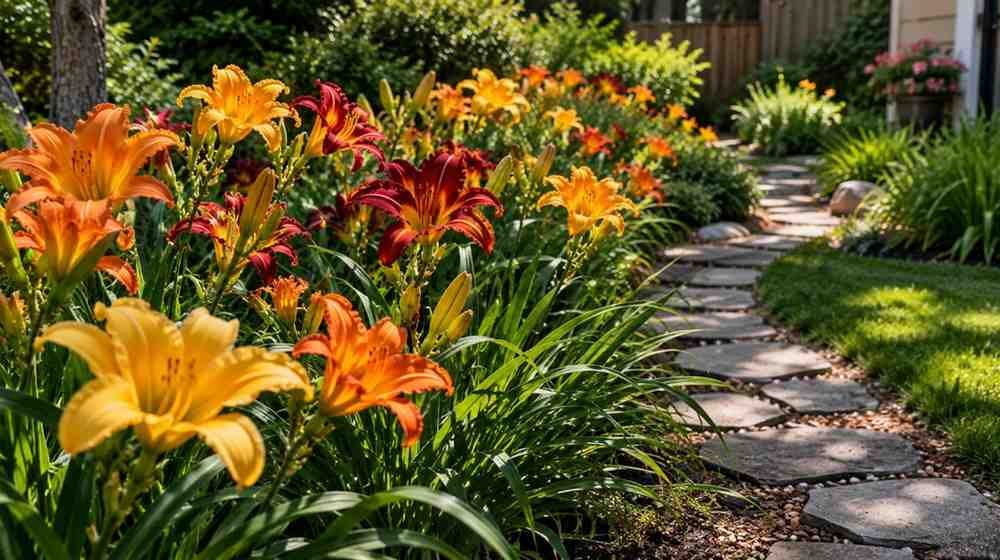
Daylilies are often described as the perfect perennial due to their remarkable hardiness. They can tolerate drought, resist most pests, and thrive in a wide range of soil conditions.
While they bloom best in full sun, daylilies will easily adapt to partial shade. The plant gets its name from the fact that each flower typically blooms for just one day. However, a single plant produces numerous buds, ensuring a continuous display of vibrant colors throughout the summer months. Because they multiply over time, daylilies are excellent for controlling soil erosion on sloped properties.
3. Sedum (Stonecrop)
If you have areas in your yard that receive intense sunlight and experience dry conditions, sedum is an ideal solution. This succulent plant stores moisture in its fleshy leaves, allowing it to easily survive periods of drought.
Sedum comes in many varieties, ranging from low-growing ground covers to upright, bushy plants that produce clusters of star-shaped flowers late in the summer to boost your home’s charm. They require almost no supplemental watering once established and thrive in poor, rocky soils where other plants might quickly perish.
4. Ornamental Grasses
Ornamental grasses add movement, texture, and architectural height to an outdoor space. Varieties like Fountain Grass or Maiden Grass are incredibly tough and can handle both intense heat and cold winters.
These grasses are highly adaptable, which is why they are frequently used in large-scale property management. Creating a durable outdoor environment is essential for large spaces, which is why projects involving commercial landscaping in Eagle Mountain often rely on ornamental grasses to reduce maintenance and ensure year-round visual appeal. They establish deep root systems, making them highly drought-tolerant and effective at preventing weed growth.
5. Coneflowers (Echinacea)
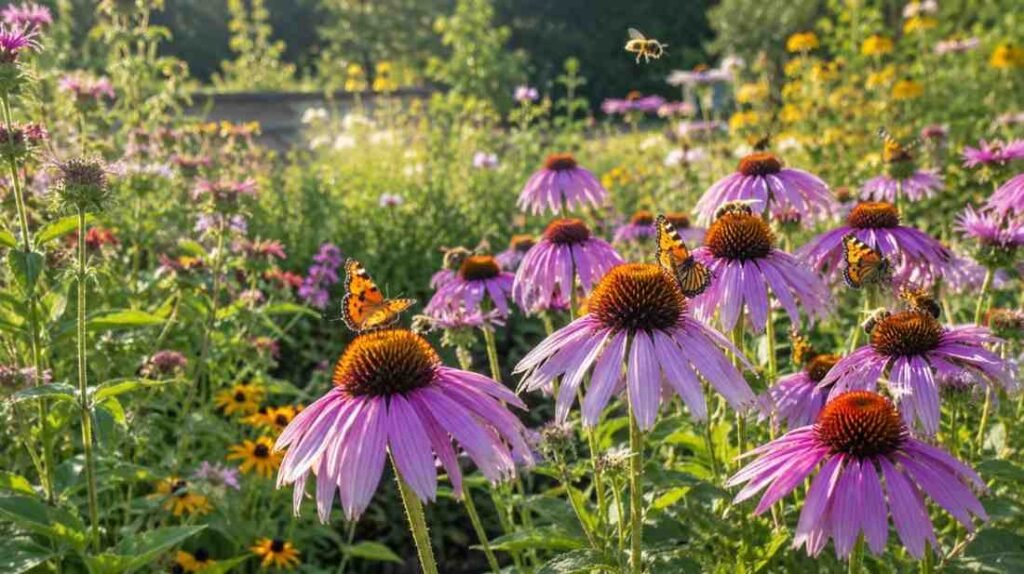
Coneflowers are native to North American prairies, which explains their natural resistance to extreme heat, drought, and poor soil. These tough perennials feature prominent, cone-shaped centers surrounded by drooping petals, most commonly in shades of purple, pink, or white.
Beyond their durability, coneflowers are fantastic for supporting local ecosystems. They act as a magnet for pollinators like bees and butterflies during the blooming season. In the winter, the dried seed heads provide a vital food source for local bird populations, ensuring your yard remains active and ecologically supportive year-round.
6. Russian Sage
Russian Sage offers a stunning visual display with its silvery-grey foliage and tall, airy spikes of lavender-blue flowers. It thrives in hot, dry environments and actively prefers poor, well-drained soil.
Over-fertilizing or over-watering Russian sage can actually harm it, making it the ultimate low-maintenance plant. It grows quite large, reaching up to four feet in height and width, providing an excellent backdrop for smaller perennials. The foliage also produces a pleasant, herbal scent when brushed against, naturally deterring deer and rabbits.
Cultivating a Resilient Outdoor Space
Designing a beautiful yard does not have to be a stressful or time-consuming endeavor. By choosing adaptable, hardy species like sedum, daylilies, and coneflowers, you establish an environment that essentially takes care of itself. These resilient plants reduce the need for constant watering, fertilizing, and soil amendment.
A well-planned landscape relies on understanding the natural strengths of the flora you choose to feature. Prioritizing durability alongside aesthetics ensures that your garden remains a source of relaxation and natural beauty through every season and weather pattern.