Owning a home is a continuous journey of care and decision-making. Just like a car needs regular oil changes and tire rotations, your home requires ongoing attention to function safely and efficiently. However, knowing exactly what kind of attention each part of your home needs can be confusing.
Assessing the Condition of Your Home Features
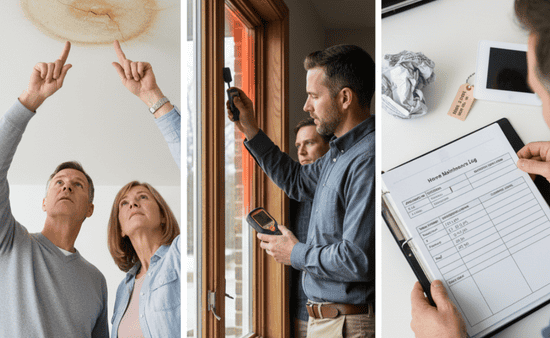
Before you open your wallet or pick up a hammer, you need a clear picture of what you are dealing with. Regular inspections are your first line of defense against unexpected disasters. Walk through your home at least twice a year—perhaps in the spring and fall—to look for signs of wear and tear.
Keep an eye out for telltale signs of aging. Water stains on ceilings often indicate roof or plumbing issues. Cracks in the foundation, sticking doors, or uneven floors might suggest structural settling. Drafty windows or high energy bills can signal that your insulation or windows are no longer performing as they should.
Don’t just rely on your own eyes, though. If you suspect a major issue, bring in a professional. A licensed inspector or a specialist (like a roofer or HVAC technician) can provide an objective assessment. They can tell you the remaining lifespan of a feature and whether a simple fix will suffice or if a larger investment is imminent. Documenting the age of your appliances and major systems is also helpful; knowing your water heater is 12 years old helps you plan for its inevitable retirement.
Repair vs. Update vs. Replace: Understanding the Differences
Once you’ve identified an issue, you have three main paths forward. Understanding the distinction between them is crucial for budgeting and planning.
Repair
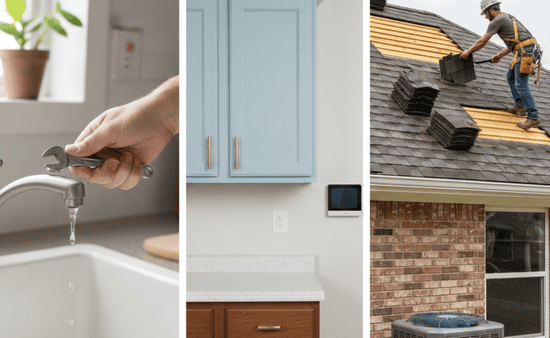
Repairing is about fixing a specific problem to restore function. This is usually the most cost-effective option for minor issues or relatively new features. Examples include patching a hole in drywall, fixing a leaking faucet, or calling a professional for garage door repair, such as those available in Boise, when a spring breaks. If the rest of the system is in good shape, a repair extends its life without a massive price tag.
Update
Updating sits in the middle ground. It involves cosmetic changes or minor functional improvements that modernize a space without a full overhaul. This is often the best route when a feature works well but looks dated. Refacing kitchen cabinets, installing a smart thermostat, or replacing old light fixtures fall into this category. Updates can significantly boost your home’s appeal and value for a moderate investment.
Replace
Replacement is the most drastic and expensive option. It involves removing the old feature entirely and installing a new one. This is necessary when a system has reached the end of its lifespan, is unsafe, or when repairs become so frequent that they cost more than a new unit. Replacing a 20-year-old furnace or a rotting deck ensures safety and efficiency that repairs simply cannot provide.
Key Home Features and How to Handle Them
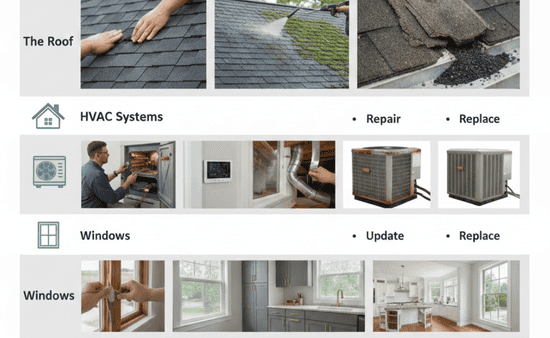
Different parts of your home age differently. Here is a breakdown of how to approach common household features.
The Roof
Your roof is your home’s primary shield against the elements.
- Repair: If you have a few missing shingles after a storm or a minor leak in flashing, a repair is usually sufficient.
- Update: While you can’t really “update” a roof for style, you can clean it to remove moss and algae, improving curb appeal.
- Replace: If the shingles are curling, cracking, or losing their granules (look for “sand” in your gutters), it is time to replace. Most asphalt roofs last 20–25 years. If yours is approaching that age and showing wear, don’t wait for a major leak to act.
HVAC Systems
Heating and cooling are essential for comfort, but they are also complex machinery.
- Repair: For specific failures like a blown capacitor or a worn belt, repair is the way to go, especially if the unit is under 10 years old.
- Update: You can update the system’s efficiency by installing a programmable or smart thermostat and ensuring ductwork is sealed and insulated.
- Replace: The general rule of thumb is the “5,000 rule.” Multiply the age of the unit by the repair cost. If the total exceeds $5,000, replace it. Also, consider replacement if the unit is over 15 years old and becoming inefficient, resulting in climbing energy bills.
Windows
Windows impact your home’s look and its energy efficiency.
- Repair: Stick to repairs for broken glass, worn weatherstripping, or sticky hardware. These are simple fixes that restore function.
- Update: If the frames are sound, painting them or adding new treatments can refresh the look. You can also add solar film to improve energy efficiency.
- Replace: If you feel drafts even when the window is closed, see condensation between double panes (foggy glass), or if the frames are rotting, replacement is necessary. New energy-efficient windows can drastically reduce utility costs.
Kitchen Cabinets
The kitchen is often the heart of the home, but renovations are pricey.
- Repair: Loose hinges, stuck drawers, or minor scratches can be easily fixed to keep the kitchen functional.
- Update: If the layout works but the style is stuck in the 90s, consider painting the cabinets or refacing them (replacing just the doors and drawer fronts). Add new hardware for a quick, modern look.
- Replace: If the cabinet boxes are water-damaged, structurally unsound, or if the current layout makes cooking a nightmare, a full replacement is the best option to create a functional space.
Flooring
Floors take a beating every day.
- Repair: Hardwood scratches can be filled, and cracked tiles can sometimes be replaced individually if you have spares.
- Update: Solid hardwood floors can be sanded and refinished to look brand new. Professional deep cleaning can revive carpets and tile grout.
- Replace: If the carpet is threadbare and stained, the laminate is peeling, or the hardwood has been sanded too many times, it is time for new flooring.
Making Informed Decisions for Your Home
Deciding which path to take requires balancing several factors. First, look at the cost. Compare the quote for a repair against the price of a replacement. If a repair costs 50% or more of the price of a new item, replacement is usually the smarter financial move.
Consider the lifespan. Review how long the feature is supposed to last versus how old it currently is. Investing money into a repair for an appliance that is already past its expected lifespan is often throwing good money after bad.
Think about energy efficiency. Older appliances, windows, and HVAC systems are often energy hogs. Replacing them might have a high upfront cost, but the monthly savings on utility bills can offset that expense over time.
Finally, evaluate plans. Are you planning to stay in the home for decades, or are you selling in a few years? If you are selling soon, updates that improve curb appeal (like a new front door or fresh paint) might offer a better return on investment than invisible but expensive repairs, provided the home is safe and passable for inspection. If you are staying, prioritize replacements that ensure long-term comfort and structural integrity.
Conclusion
Do not let minor issues snowball into major disasters. Create a maintenance schedule, budget for future replacements, and don’t hesitate to call in experts when the path forward isn’t clear. Whether it’s a simple update to modernize your living room or a necessary roof replacement to keep your family dry, every decision you make contributes to the longevity and happiness of your home.