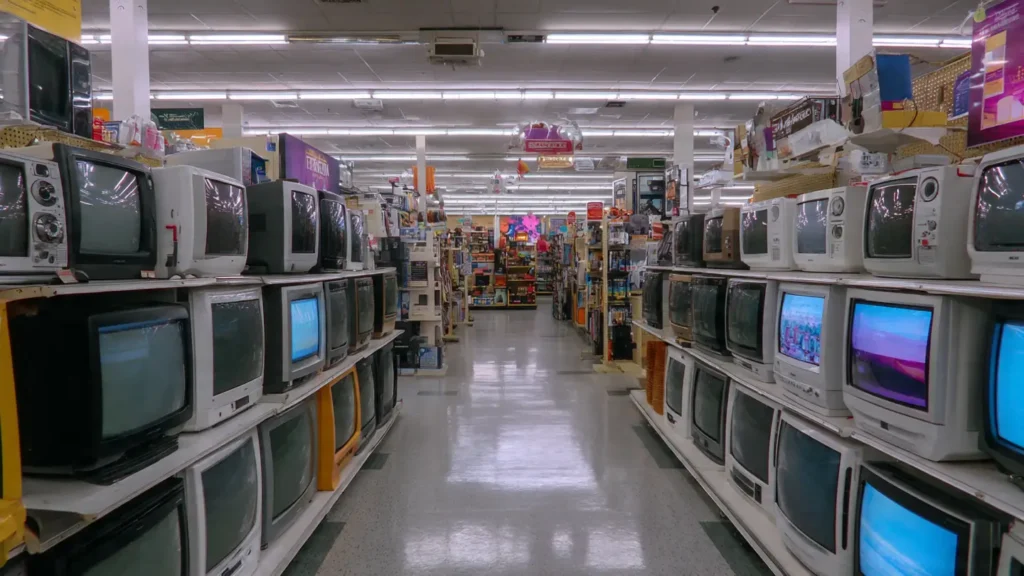
I still remember walking into a Circuit City on a random weekend, just killing time and comparing TVs I definitely couldn’t afford yet. Red signage, wide aisles, and rows of electronics felt exciting back then. Years later, I caught myself Googling when did Circuit City go out of business, mostly out of nostalgia and partly because I wanted to understand how a giant brand could disappear so fast.
If you’ve ever wondered the same thing, I’ve got you. I’ll walk you through exactly when Circuit City shut down, why it happened, what came after, and what modern businesses can actually learn from its collapse.
When did Circuit City go out of business, exactly?
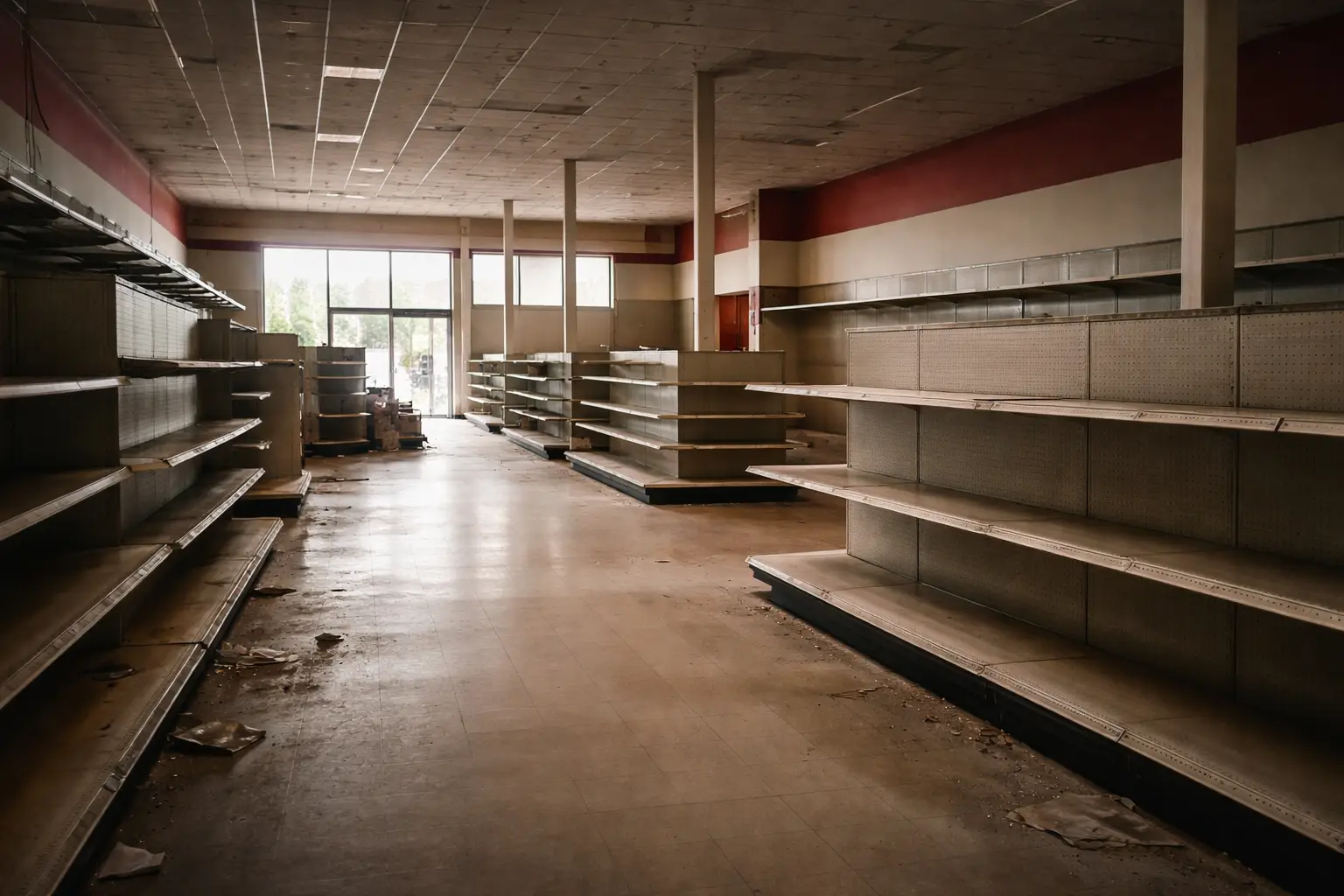
Circuit City officially went out of business as a physical retailer in March 2009, and that date matters more than most people realize. The final day customers could shop in any U.S. Circuit City store was March 8, 2009. By March 9, liquidation wrapped up, and the lights went out for good.
The shutdown didn’t come out of nowhere. Circuit City filed for Chapter 11 bankruptcy on November 10, 2008, right in the middle of the Great Recession. Management hoped bankruptcy protection would buy time to restructure, but lenders pulled back, sales dropped fast, and confidence evaporated.
By January 16, 2009, Circuit City announced it would liquidate all remaining U.S. stores after failing to find a buyer. Once liquidation began, the outcome became inevitable. The brand that once dominated electronics retail couldn’t recover its footing.
What factors led to Circuit City’s bankruptcy?
Circuit City didn’t fail because people stopped buying electronics. It failed because leadership made decisions that weakened the business at the worst possible time. One of the biggest mistakes came in 2007, when the company laid off thousands of its most experienced sales associates to cut costs. Those employees earned higher wages, but they also delivered expertise customers relied on.
I’ve seen this play out in real life: when service quality drops, customers don’t complain loudly. They just leave. Circuit City lost its edge while competitors leaned into knowledgeable staff and better in-store experiences.
On top of that, Circuit City struggled with inventory management and store layouts that felt dated. During the recession, consumers became more price-sensitive, and Circuit City couldn’t compete effectively on value or experience. Cash flow tightened, credit markets froze, and the company ran out of room to maneuver.
How did the Great Recession accelerate Circuit City’s collapse?
The recession didn’t cause Circuit City’s problems, but it exposed every weakness at once. As consumer spending slowed, Circuit City relied heavily on credit-based purchases, which dried up almost overnight. Vendors demanded stricter payment terms, and lenders became less patient.
I think of this as the “stress test moment.” Healthy businesses bend during downturns. Fragile ones snap. Circuit City entered the recession already compromised, and the economic pressure finished the job.
Meanwhile, competitors adapted faster. They invested in omnichannel retail, improved logistics, and leaned into customer trust. Circuit City didn’t have the flexibility—or leadership clarity—to pivot in time.
What were the key differences between Circuit City and Best Buy?
The contrast between Circuit City and Best Buy explains a lot. Best Buy focused heavily on customer experience, employee training, and store redesigns that encouraged browsing and interaction. Circuit City leaned toward cost-cutting and operational efficiency, often at the expense of service.
Best Buy also embraced partnerships and in-store concepts that made shopping feel modern. Circuit City stores felt increasingly transactional. When prices matched, customers chose the place that felt more helpful and human.
Leadership culture mattered too. Best Buy empowered store-level decision-making, while Circuit City relied on centralized strategies that didn’t adapt well to local markets. Over time, that difference compounded.
What happened during the Systemax era of Circuit City?
After the physical stores closed, the Circuit City brand didn’t disappear immediately. In 2009, Systemax Inc. purchased the brand and relaunched CircuitCity.com as an online-only electronics retailer. This phase ran until 2012.
During the Systemax era, Circuit City functioned more like a digital storefront than a full retail experience. It focused on online sales without stores, showrooms, or service hubs. While the site attracted some nostalgic traffic, it struggled to differentiate itself from stronger e-commerce competitors.
Eventually, Systemax consolidated CircuitCity.com into its TigerDirect brand. That move effectively ended Circuit City’s first online revival, proving that brand recognition alone doesn’t guarantee long-term success.
How did Circuit City come back as an online-only brand?

In 2016, retail veteran Ronny Shmoel acquired the Circuit City brand and relaunched CircuitCity.com in August 2018 as an online-only retailer. This version of Circuit City operates without physical stores and focuses on curated electronics, appliances, and marketplace-style offerings.
I look at this revival as a brand reboot rather than a resurrection. It doesn’t try to recreate the old big-box model. Instead, it leans into modern e-commerce realities, partnerships, and digital-first operations.
The lesson here feels clear: the name still carries recognition, but survival now depends on execution, trust, and relevance—not nostalgia.
What modern businesses can learn from Circuit City’s failure
First, I always tell business owners to protect customer experience even when cutting costs feels tempting. Circuit City saved money short-term but lost loyalty long-term. Once trust erodes, recovery becomes expensive and slow.
Second, I focus on adaptability. Markets shift fast, especially during economic downturns. Businesses that invest in flexibility—whether through technology, people, or supply chains—handle shocks better.
Third, I watch leadership decisions closely. Culture flows downhill. When leadership prioritizes metrics over people, customers eventually feel it. Circuit City’s downfall shows how strategy choices compound over time.
Frequently Asked Questions
1. When did Circuit City go out of business completely?
Circuit City closed all physical retail stores on March 8, 2009, and completed liquidation on March 9, 2009. While the brand later returned online, the original brick-and-mortar business ended permanently on those dates. People often confuse the online revival with the original company, but the physical retailer never reopened.
2. Why couldn’t Circuit City compete with Best Buy?
Circuit City struggled with poor customer service decisions, outdated store experiences, and slower adaptation to changing consumer behavior. Best Buy invested in employee expertise, store redesigns, and omnichannel retail, which helped it retain customer trust during economic downturns.
3. Did Circuit City fail because of Amazon?
Amazon added pressure, but it didn’t directly cause Circuit City’s collapse. Internal decisions, service quality decline, and financial instability played much larger roles. Amazon simply accelerated trends that Circuit City failed to address in time.
4. Is Circuit City still in business today?
Yes, but only as an online-only retailer. CircuitCity.com operates today under new ownership and a completely different business model. It does not run physical stores or resemble the original retail chain.
The Real Takeaway Nobody Talks About
Circuit City didn’t disappear because technology changed. It disappeared because leadership stopped listening to customers and employees at the same time. Every time I revisit this story, it reminds me that scale doesn’t protect you—relationships do.
If you run a business or plan to start one, keep this in mind: cost-cutting should never come at the expense of trust. Brands survive when they evolve with people, not when they squeeze them.