

If you love theatre that mirrors modern obsession with dating shows and social performance — and you’re craving juicy commentary wrapped in unforgettable music — then Nobody Loves You at Horizon Theatre delivers. This quirky musical comedy turns the lens on reality TV spectacle, asking whether we’re truly connecting or merely performing for the camera (and applause).
In this review, you’ll find an honest look at the production, storyline, performances, music, themes, and why this curious show resonates (or doesn’t) with today’s audiences. Whether you’re a reality TV fan, theatre-lover, or cultural critic, you’ll get insight beyond the typical “was it funny or not?” take.
What Is “Nobody Loves You”?
Nobody Loves You is a satirical musical by Itamar Moses (book & lyrics) and Gaby Alter (music & lyrics) that hilariously skewers the dating reality television formula. It premiered Off-Broadway in 2013 and has since been staged regionally — including an energetic production at Horizon Theatre in Atlanta.
At its core:
- It mocks competitive reality dating shows like The Bachelor/Bachelorette.
- It blends comedy, romance, and social critique.
- The show features vivid, exaggerated characters bumping into each other as if under constant camera scrutiny.
More than a parody, it invites broader reflection on authenticity in the age of social media and reality entertainment.
Plot Summary — Quick and Insightful
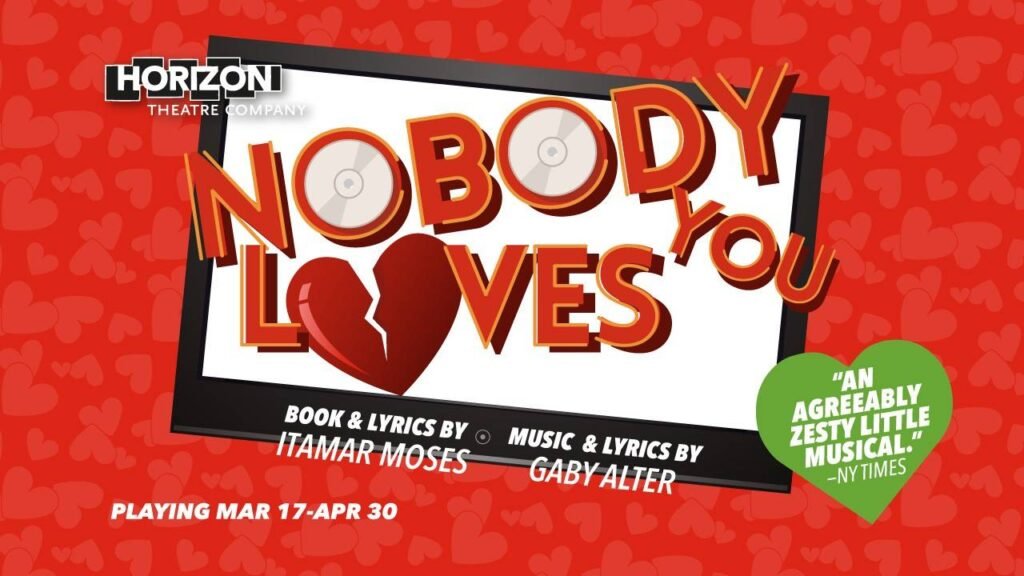
Image Source: Horizon Theatre Company
Jeff, a philosophy grad student not impressed with reality TV, enters the show Nobody Loves You to win back his ex-girlfriend — or so he claims. What begins as a cynical experiment to expose manipulation evolves into sincere emotional growth and unexpected connection.
Along the way, we meet a colorful cast:
- Byron, the smooth-talking, TV host with ridiculous lines.
- Christian — devout and awkward.
- Megan — wild and uninhibited.
- Evan — the superfan who “live-tweets” every moment.
- Jenny — a production assistant who becomes Jeff’s unexpected love interest.
This fusion of romantic comedy and satire keeps viewers curious about whether real connection is possible in a world built on spectacle.
Performances — Highlights and Critique
One of the most compelling strengths of the Horizon production was its talented ensemble.
Standouts
Brad Raymond as Byron brings energy and comic timing to the host role, mimicking the slippery charm of reality TV emcees with finesse.
Austin Tijerina impresses with expressive physical comedy — especially as the frenetic, tweeting superfan.
Jennifer Alice Acker and Ben Thorpe capture the push-pull of conflicting personalities, adding depth to what could have been cartoonish caricatures.
Criticism
Some local critics felt that not all actors connected deeply with the material, especially where sincerity was required beyond comedy. Still, this cast manages to keep the storytelling clear and consistently fun — a difficult task in a show that both celebrates and skews spectacle.
Music and Lyrics — Catchy or Forgettable?
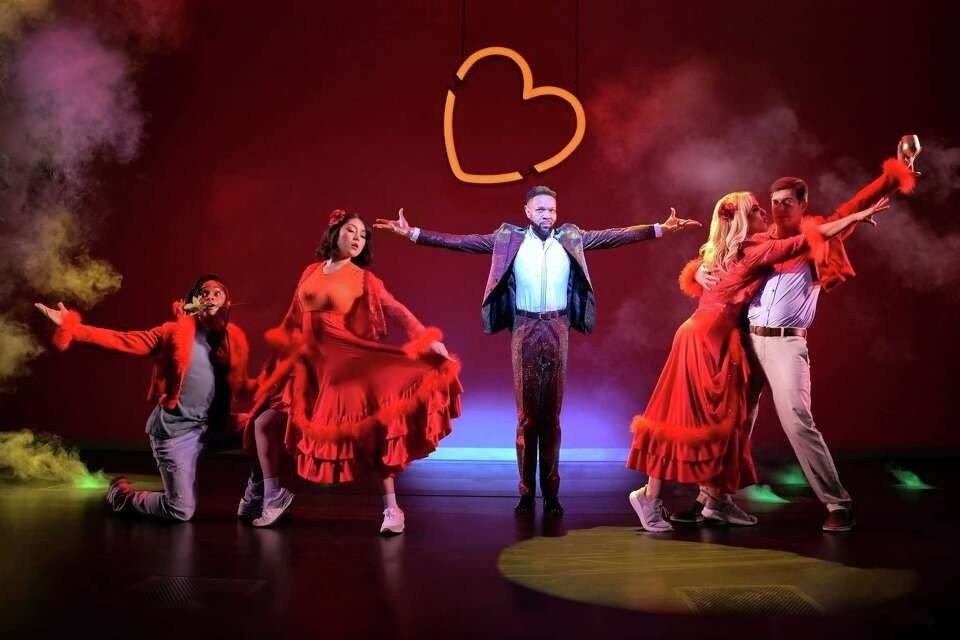
Image Source: San Francisco Chronicle
The score by Alter blends pop sensibilities with musical theatre tradition. Songs like “People Are Stupid” and “So Much to Hate” cleverly echo the show’s themes: media obsession, ego, and the slippery quest for authenticity.
The music team (direction and live band) keeps the pace brisk, enhancing both comedic and emotional arcs. However, some critics found certain tunes less memorable than others, especially when compared to more mainstream musical theatre hits.
In short:
- Lively and witty — yes.
- Show-stopping soundtrack — maybe not for everyone.
But if you like numbers that push boundary and theme over ballad-style nostalgia, this musical delivers.
Themes That Resonate With Today’s Audience
1. Reality vs. Authenticity
The heart of the show is this tension: Are we living our truth, or performing for attention? Jeff’s academic cynicism becomes a mechanism for examining how ritualized our social personas have become — something more relevant now than ever with influencer culture and constant social media documentation.
2. Love in the Age of Performance
The clever juxtaposition of staged romance and genuine vulnerability makes Nobody Loves You feel surprisingly heartfelt despite its satire. It asks: Where does performance end and real emotion begin?
3. Comedy With a Bite
This isn’t just silly entertainment — it’s satire with incisive commentary on voyeurism, celebrity worship, and emotional economy. These themes elevate it above a standard comedy or parody.
Staging and Direction — A Brief Assessment
Director Heidi McKerley developed the Horizon production with fun pacing and vibrant set design that evokes TV sets more than traditional theatre stages. Playful costumes and staging keep the energy high. Some critics wished for more technological integration — like live video feeds — to further blur the imagined camera and real audience lines. Still, the production remains visually engaging.
Final Verdict — Who Should See It?
“Nobody Loves You” at Horizon Theatre is ideal for:
- Fans of musical satire and comedy
- Reality TV lovers (and haters)
- Theatregoers curious about social commentary wrapped in performance
- Anyone who enjoys thoughtful laughs
Not so ideal for:
- Purists who want traditional musical structures
- Viewers expecting deep romance without satire
Audience FAQs
Is Nobody Loves You family-friendly?
The show leans into adult humor and reality TV tropes — it’s best suited for mature audiences familiar with reality programming.
How long is the performance?
Typically runs around 90–110 minutes — perfect for date night or an evening of light-hearted theatre.
Is it more comedy or musical?
It’s a hybrid — satire drives the humor, but the musical numbers are essential to character and theme development.
Where can I buy tickets?
Tickets are available through Horizon Theatre’s box office or online platforms during its run.
Conclusion — A Thoughtful Satire Worth Seeing
Nobody Loves You at Horizon Theatre isn’t just a laugh-a-minute spoof of reality dating shows — it’s a clever commentary on performance, connection, and what we choose to love. While the production isn’t without flaws, its lively cast, witty lyrics, and cultural critique make it a standout experience for audiences looking to laugh, think, and walk away talking about how much we really perform in our own lives.
Whether you’re reviewing it for fun or serious cultural reflection, this original musical show holds a mirror to our obsession with love, fame, and validation — and isn’t that something we all secretly want?