
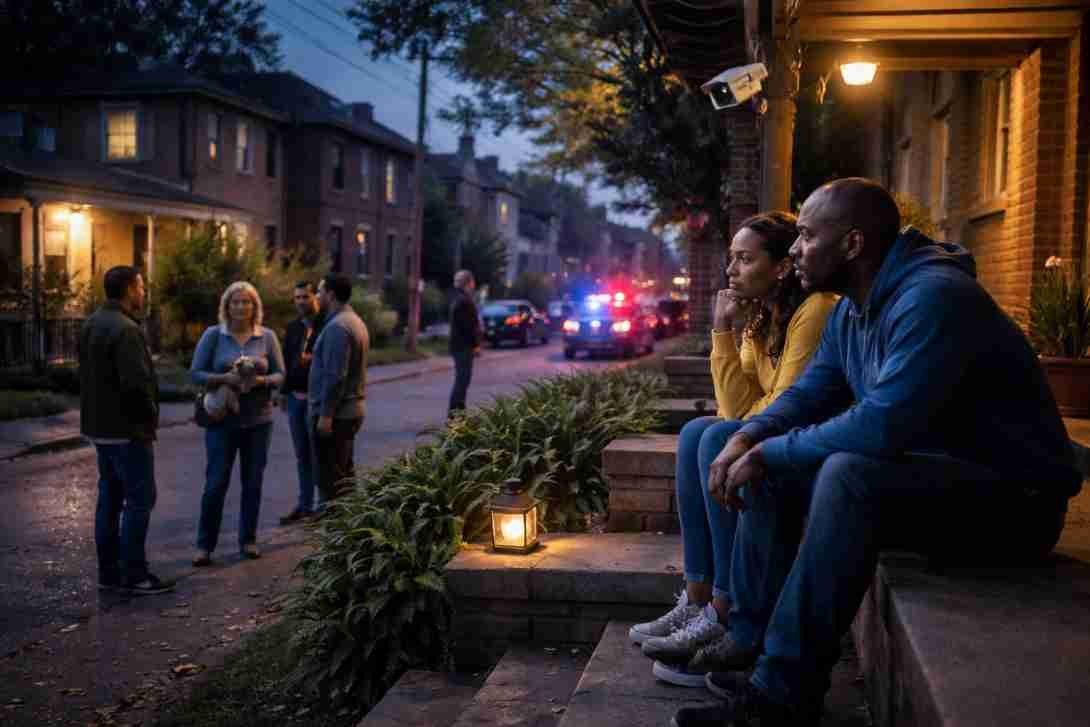
Living in a high-crime area is often misunderstood. Headlines focus on statistics, viral videos amplify fear, and outsiders form quick judgments. But for the people who actually call these neighborhoods home, daily life is far more nuanced. It’s a mix of caution and community, stress and strength, challenges and unexpected connections.
Here’s what it’s really like behind the numbers.
The Emotional Reality
One of the most significant aspects of living in a high-crime area isn’t always physical danger—it’s mental strain. Residents may experience heightened awareness. You become more observant. You pay attention to unfamiliar cars. You think twice before walking alone at night.
This constant alertness can be exhausting. Even when nothing happens, the possibility of something happening lingers in the background. Over time, that low-level stress can shape routines, social habits, and even sleep patterns.
Yet, many residents adapt. What initially feels overwhelming becomes manageable as people develop practical safety habits and routines.
Everyday Adjustments
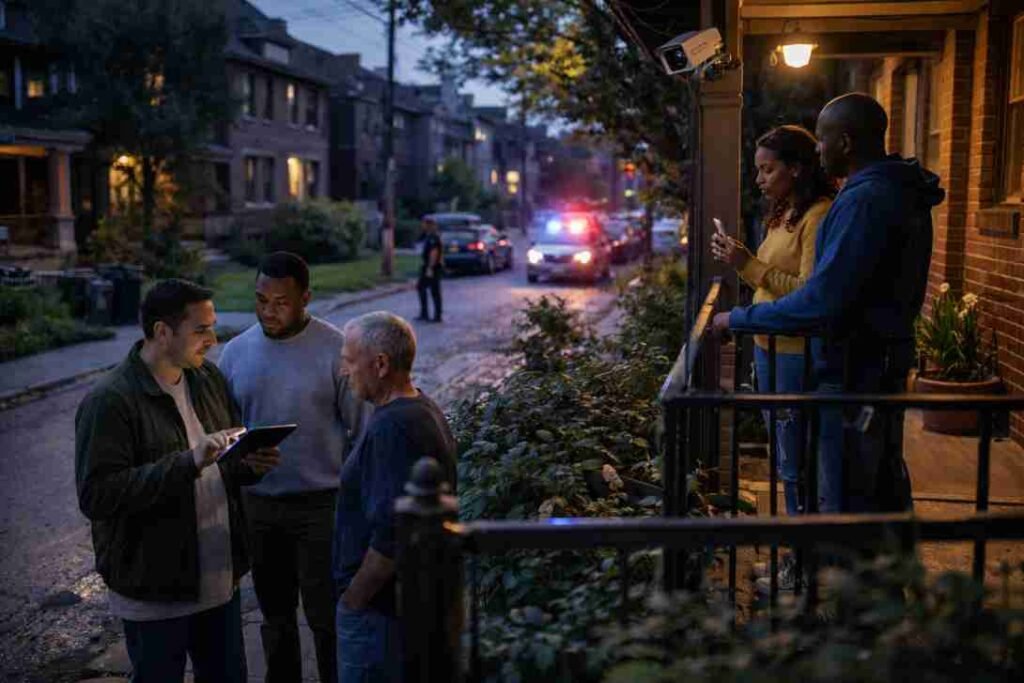
Life in a high-crime neighborhood often means making deliberate lifestyle adjustments. These might include:
- Installing security cameras and motion lights
- Reinforcing doors and windows
- Joining neighborhood watch groups
- Planning errands during daylight hours
- Being selective about sharing personal information
- Protecting Your Home While You’re Away on Vacation
Home security becomes less of a luxury and more of a priority. Some homeowners invest in stronger structural protections, such as reinforced doors or even impact windows in Davie FL, to add an extra layer of safety and peace of mind.
While these precautions may seem extreme to outsiders, for residents they’re simply part of responsible homeownership.
The Community Factor
One misconception is that high-crime areas lack strong communities. In reality, the opposite can be true.
When safety is a shared concern, neighbors often form tighter bonds. People look out for one another. They exchange phone numbers. They alert each other about suspicious activity. Children may be watched over not just by parents, but by an entire block.
There’s a sense of collective responsibility that can create powerful social ties. In many cases, residents feel a deep loyalty to their neighborhood. They’ve invested time, energy, and care into making it better.
Crime statistics don’t always capture that spirit of resilience.
Economic Realities
High-crime areas are often linked to broader economic challenges. Limited job opportunities, underfunded schools, and reduced city investment can all contribute to instability. Residents may face fewer resources and services compared to more affluent neighborhoods.
This reality can influence property values, business development, and access to amenities. However, it can also make housing more affordable, allowing families to purchase homes they might not otherwise afford.
For some, living in these neighborhoods is financial decisions—one made thoughtfully with safety precautions in place. For others, it’s simply home.
The Stigma
Perhaps one of the hardest parts of living in a high-crime area is the stigma. When you share your address, people may react with concern or surprise. Friends might hesitate to visit. Insurance premiums may be higher.
That social perception can feel isolating. Residents often find themselves defending their neighborhood, pointing out its positives and pushing back against oversimplified narratives.
Because while crime may exist, it does not define every street, every family, or every experience.
Raising a Family
Families in high-crime areas often develop strong communication habits. Parents teach children situational awareness at an early age—where to go, who to call, what to avoid.
These lessons can build independence and street smarts. At the same time, parents may feel added pressure to create safe environments at home, carefully choosing schools, after-school programs, and trusted adults.
It’s a balancing act between caution and normalcy.
Adaptation and Resilience
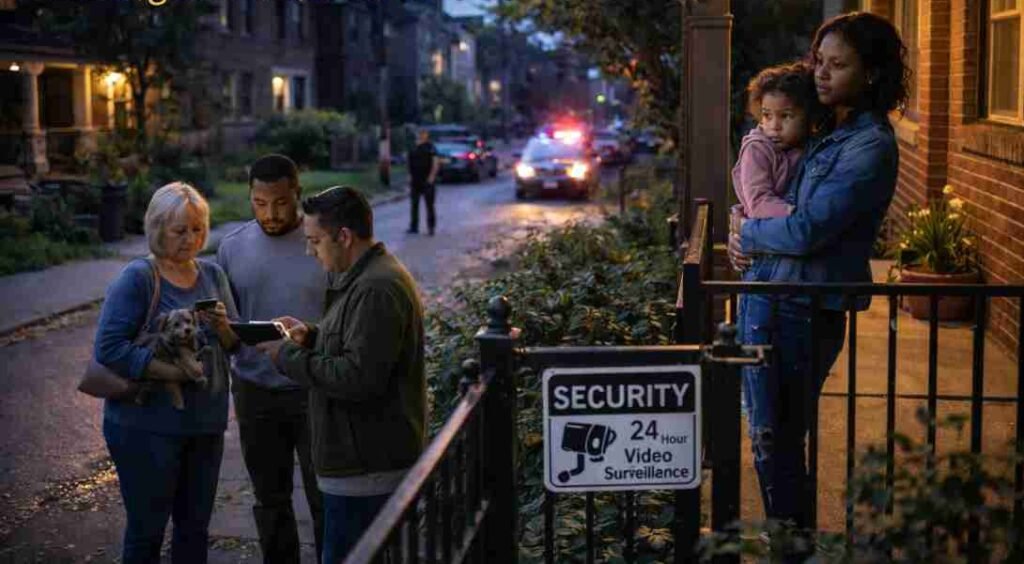
Humans are remarkably adaptable. Over time, residents create routines that minimize risk while allowing them to live full lives. They form trusted networks. They identify safe spaces. They learn which concerns are serious and which are exaggerated.
Many people living in high-crime areas still celebrate birthdays, host barbecues, pursue careers, and build meaningful lives. They don’t wake up each day consumed by fear. Instead, they incorporate safety into their daily rhythm.
Resilience becomes second nature.
A More Complete Picture
Living in a high-crime area isn’t defined solely by danger. It’s defined by awareness, preparation, and often a surprising amount of solidarity. Yes, there are challenges—emotional, financial, and social. But there is also strength, adaptability, and community pride.
Understanding these neighborhoods requires moving beyond statistics and listening to the voices of those who live there. Because behind every crime rate is a community of real people—navigating risk, building connections, and finding ways not just to survive, but to live.