
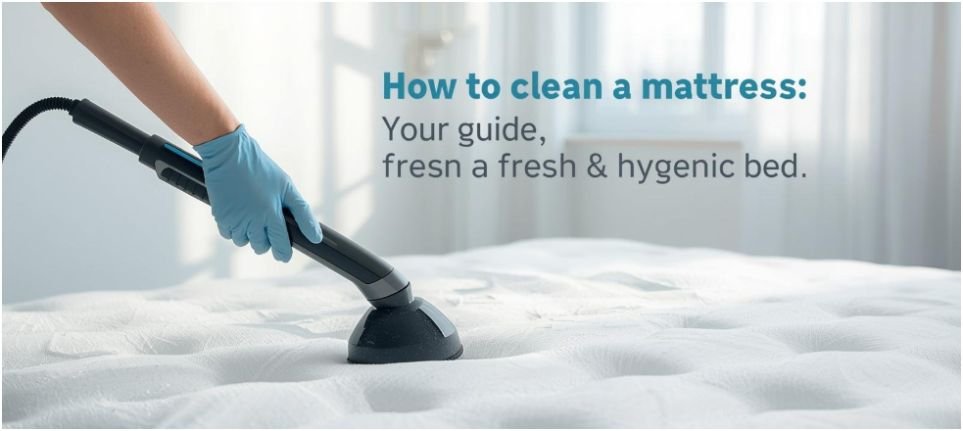
Cleaning a mattress isn’t just about aesthetics—it’s about hygiene, health, and ensuring your bed lasts longer. As someone who’s studied fabric care, sanitation methods, and mattress construction, I’ll walk you through the most effective, expert-approved way to clean a mattress thoroughly and safely.
When you follow the right techniques, you also improve sleep quality, reduce allergens, and create a fresher sleeping space. A clean mattress truly changes the way you sleep and how rested you feel.
Over time, mattresses accumulate oils, dust, and microscopic contaminants that can silently affect your respiratory health and comfort. Consistent cleaning ensures your mattress remains supportive, clean, and a truly healthy environment for rest.
Step-by-Step: How to Clean a Mattress the Right Way
Strip the Bed Completely
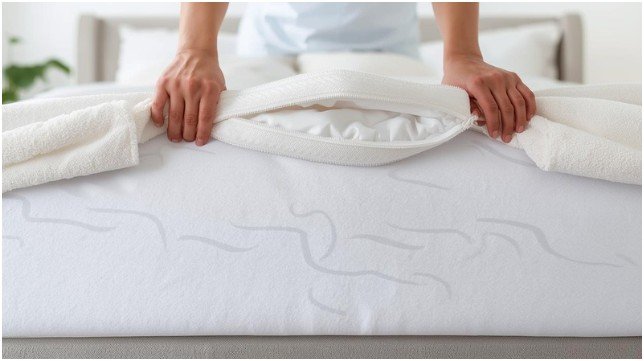
Remove sheets, mattress protectors, pillowcases, and blankets.
Wash everything possible in hot water to kill bacteria and dust mites. If the manufacturer allows, use sanitizing or allergen-removal settings.
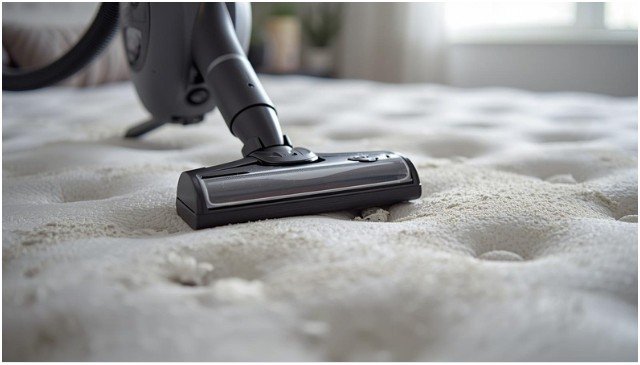
Vacuum the Mattress
Using an upholstery attachment, vacuum:
- Top surface
- Edges
- Seams
- Crevices
This removes hair, dust, skin cells, mites, crumbs, and allergens.
Spot-Clean Stains (Do NOT soak the mattress)
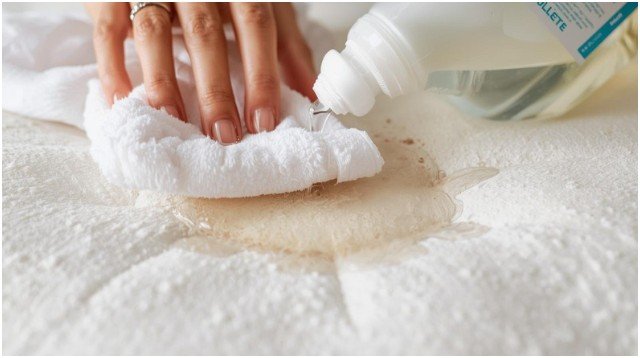
Use cleaning agents depending on stain type:
- Protein stains (blood, sweat, urine): enzyme cleaner
- General dirt / spills: mild dish soap and warm water
- Sweat/yellowing: hydrogen peroxide + baking soda + dish soap paste
Always blot—never scrub.
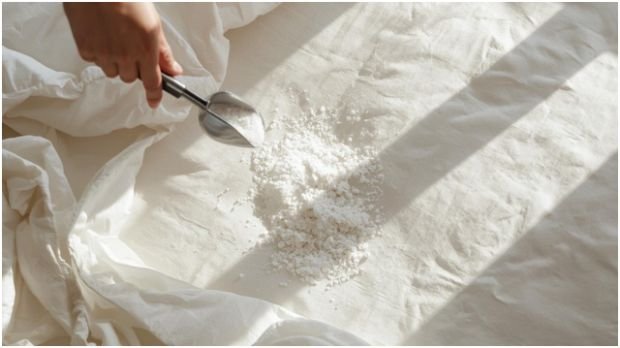
Deodorize with Baking Soda
Sprinkle a light, even layer of baking soda over the surface.
Let it sit 1–24 hours — the longer, the better.
Baking soda absorbs odor-causing moisture and neutralizes scents naturally.
Vacuum Again
Remove all baking soda thoroughly to avoid residue.
Dry and Refresh
Allow mattress to air dry completely before putting bedding back on:
- Open windows
- Use ceiling or floor fans
- If possible, place mattress in direct sunlight
Sunlight naturally kills bacteria via UV exposure.
Rotate or Flip
If your mattress is double-sided: flip it.
If one-sided: rotate 180 degrees.
This prevents uneven sagging and increases lifespan.
Special Stain Treatment Guide
Different stains require different solutions. Here’s a quick reference:
| Stain Type | Best Cleaning Method | Important Note |
| Urine | Enzyme cleaner | Eliminates odor + protein buildup |
| Blood | Cold water + enzyme cleaner | Never use hot water—it sets stains |
| Sweat / Yellowing | Hydrogen peroxide + baking soda + dish soap | Apply as a paste, wipe gently |
| Food / Drinks | Mild dish soap + warm water | Avoid oversaturating |
| Vomit | Enzyme cleaner + disinfecting spray | Dry thoroughly to prevent odors |
How to Sanitize a Mattress (Disinfecting Safely)
A clean mattress isn’t always a sanitized mattress. True sanitization ensures pathogens, bacteria, and microscopic contaminants are eliminated.
Here are safe, expert-approved methods:
- Light mist of fabric-safe disinfectant
- UV exposure from sunlight
- HEPA vacuuming to reduce allergens
- Steam cleaning (only if manufacturer approves)
Important: Memory foam must never be soaked or heavily steam-treated—it traps moisture and breeds mold.
Odor Remediation: What If Baking Soda Isn’t Enough?
If odors persist, try:
- Activated charcoal
- Vodka spray (light mist to neutralize odors)
- Enzyme-based deodorizing spray
- Essential oil + baking soda mix (lavender, peppermint, tea tree)
Never pour essential oils directly on the mattress—mix them into baking soda for a balanced scent and safer application.
Mattress Care for People with Allergies or Asthma

If you’re sensitive to dust mites or allergens:
- Vacuum weekly
- Wash bedding every 7 days
- Use a zippered allergen-proof mattress encasement
- Maintain indoor humidity between 40–50%
Households with allergy sufferers benefit greatly from routine fabric sanitation and allergen-preventing covers.
Mistakes to Avoid When Cleaning a Mattress
Avoid these common errors:
- Using too much water
- Applying bleach or harsh chemical cleaners
- Scrubbing stains vigorously
- Ignoring mattress care labels
- Not letting the mattress fully dry
- Using scented sprays that mask odors instead of removing them
Proper cleaning is about lifting stains and eliminating odors—not hiding them.
The Power of Prevention: Keeping Your Mattress Clean Longer
A mattress protector is the single most effective prevention tool. It:
- Blocks spills
- Prevents sweat absorption
- Reduces dust mites
- Helps maintain warranty
Rotating your mattress every few months also reduces pressure wear and deep staining, helping it remain comfortable and supportive for longer.
How Often Should You Clean a Mattress?
Here’s a general schedule:
- Vacuuming — once per month
- Stain treatment — as needed
- Baking soda deodorizing — every 3–4 months
- Deep clean — every 6 months
- Mattress replacement — every 7–10 years
If you suffer from allergies or asthma, consider cleaning more frequently.
FAQs About How to Clean a Mattress
1. How long does it take to clean a mattress?
A standard mattress cleaning takes 1–2 hours, plus additional drying time which may extend up to 24 hours. Mattresses must be completely dry before re-covering to prevent odor and mold.
2. Can you use vinegar to clean a mattress?
Vinegar can help neutralize odors, but it does not break down protein-based stains like urine or blood. For those stains, enzyme cleaners are significantly more effective and safer.
3. Can I steam-clean a mattress?
Only if the manufacturer allows it. Most memory foam mattresses should not be steam-cleaned due to moisture retention, which can lead to bacteria and mildew growth.
4. Is it safe to spray disinfectant on a mattress?
Yes—if the disinfectant is fabric-safe and used lightly. Always avoid saturating the mattress and ensure it dries thoroughly afterward.
5. What if my mattress smells musty or moldy?
This usually indicates trapped moisture. You’ll need full drying, sunlight exposure, and possibly professional treatment. If mold has penetrated deep into foam layers, replacing the mattress may be the safest option.
Final Thoughts
Knowing how to clean a mattress properly directly benefits your health, your sleep quality, and your household hygiene.
A clean mattress doesn’t just smell fresh—it supports healthier breathing, reduces nighttime allergies, and allows you to truly relax at the end of the day.
With the right cleaning schedule and preventive care, your mattress can remain comfortable, safe, and odor-free for years.