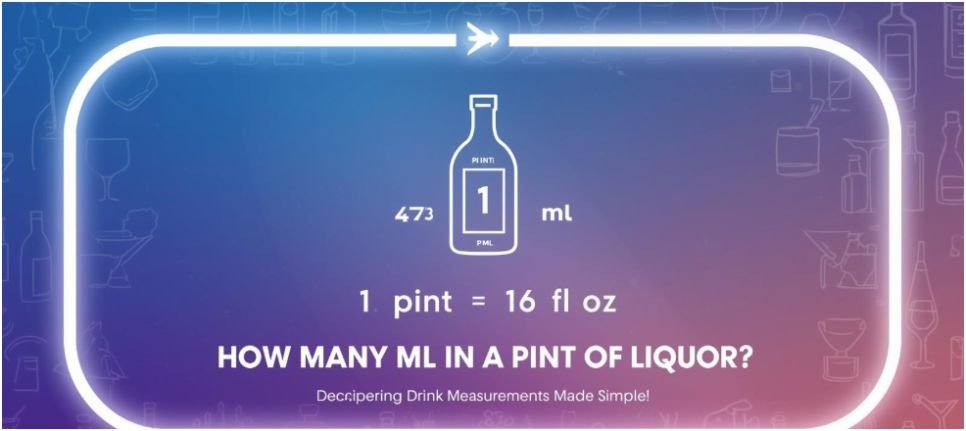
If you’ve ever wondered how many ml are in a pint of liquor, you’re not alone. This is one of the most confusing volume questions in the world of alcohol because the word “pint” can refer to different measurements depending on whether you’re talking about true volume units or liquor industry slang.
As someone who writes about food, beverage, hospitality standards, and U.S. labeling conventions, I’ll break this down clearly and cleanly so the answer finally makes sense.
What People Think vs. What’s Actually True
Many people assume that a pint is a universal size—but it’s not. The term has three different meanings depending on context:
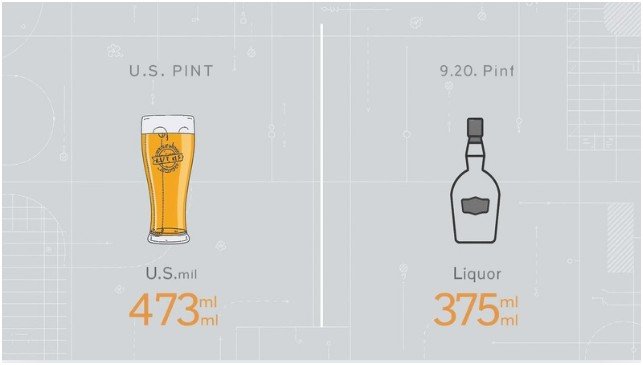
- A true U.S. liquid pint is 473.18 ml
- A true British imperial pint is 568.26 ml
- A liquor industry “pint” in the U.S. is 375 ml
This means someone asking for a pint of whiskey may receive 375 ml, while someone ordering a pint of beer receives 473 ml—even in the same country.
Why the Liquor “Pint” Is 375 ml (Not 473 ml)
Historically, U.S. liquor was sold in:
- pints
- quarts
- gallons
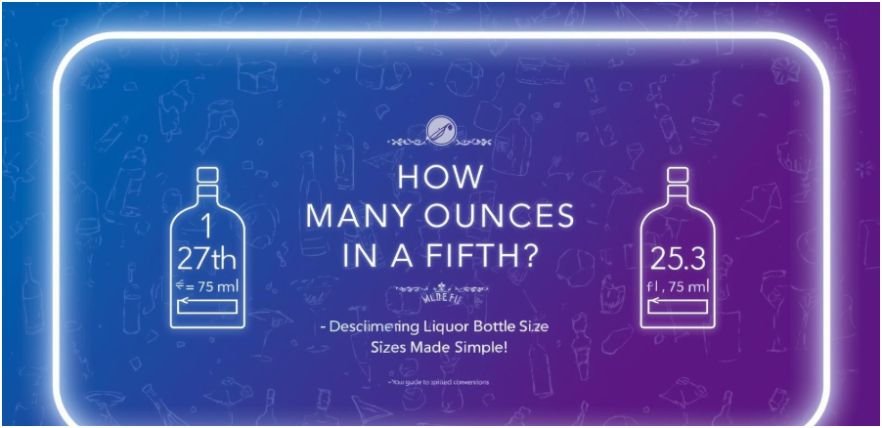
And a fifth referred to one-fifth of a gallon = approx. 750 ml.
When the U.S. switched to metric sizing in 1980 for alcohol packaging, the names stuck, but the sizes changed. So:
- The “standard bottle” became 750 ml
- The “pint” became 375 ml, or half of that
So in liquor culture:
- Pint = half-size bottle
- Not the technical pint unit
This is why the confusion persists today.
A Quick Comparison Table
Here’s a clean reference table so you can see the differences at a glance:
| Type of “Pint” | Country / Usage | Measurement in ml | Used For |
| U.S. liquid pint | USA | 473.18 ml | Beer, milk, volume measurement |
| British Imperial pint | UK | 568.26 ml | Beer, cider, milk |
| Liquor industry “pint” | USA | 375 ml | Liquor bottles (whiskey, vodka, etc.) |
How Many Shots Are in a Liquor “Pint”?
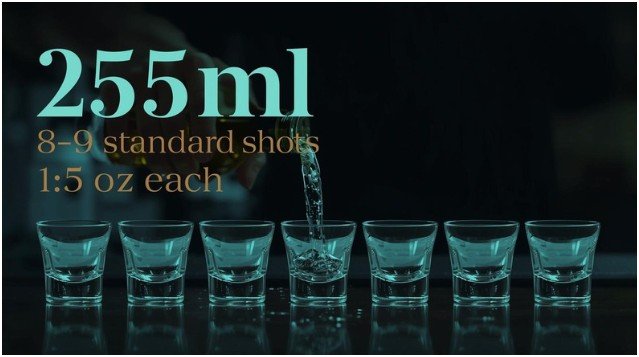
A standard shot in the U.S. = 1.5 oz = 44 ml
So:
375 ml / 44 ml ≈ 8.5 shots
This means a U.S. liquor “pint” contains approximately:
- 8 shots if poured generously
- 9 shots if measured tightly
Meanwhile, if someone poured from a true 473 ml pint, it would be around 10–11 shots—but that pint is never used for liquor bottling.
Pint of Liquor vs. Pint of Beer
This distinction trips people up.
- Order a pint of beer in the U.S. → you get 473 ml
- Order a pint of liquor at a store → you get 375 ml
These are not the same unit even though they use the same word.
Liquor Bottle Sizes for Context
Understanding the 375 ml pint also helps you compare it to other bottle sizes:
| Bottle Name | Standard Volume | Equivalent to | Approx. Shots |
| Mini / nip | 50 ml | 1 shot | 1 shot |
| Half-pint | 200 ml | Small bottle | ~4 shots |
| “Pint” (liquor) | 375 ml | Half of standard bottle | ~8 shots |
| Fifth / standard bottle | 750 ml | Typical bottle | ~16 shots |
| Liter | 1000 ml | Larger format | ~22 shots |
| Handle | 1.75 L | Large bottle with grip | ~39 shots |
This makes it easier to visualize how much alcohol you’re actually buying.
Why the Word “Pint” Causes So Much Confusion

Because the U.S. uses:
- customary units (for volume)
- metric units (for packaging)
- and historical slang (for liquor)
Examples:
- A pint of milk = 473 ml
- A pint of Guinness in London = 568 ml
- A pint bottle of rum = 375 ml
Same word. Three different meanings.
Which “Pint” Should You Use?
If you are talking about:
- beer or liquid volume → use the true pint (473 ml US / 568 ml UK)
- liquor bottle sizes → use the industry pint (375 ml)
If you are writing for a U.S. audience and say:
“He bought a pint of whiskey”
no one will assume 473 ml — everyone knows it means 375 ml.
FAQs
1. Is 375 ml really considered a pint of liquor?
Yes — in the U.S. liquor industry, a 375 ml bottle is commonly referred to as a pint.
2. Why isn’t a liquor pint 473 ml like a real pint?
Because liquor sizing historically used relative bottle sizes (half, fifth, quart) rather than true volume units.
3. How many ml are in a pint of liquor in the UK?
The UK rarely uses the word “pint” for liquor. They use 350 ml, 500 ml, 700 ml, 1 L, and other metric bottle sizes. The word “pint” is almost exclusively used for beer and cider.
4. How many drinks are in a 375 ml pint of liquor?
About 8–9 standard U.S. shots (44 ml each).
5. Is a half-pint the same as 200 ml?
Yes. A half-pint liquor bottle is typically 200 ml and contains about 4 shots.
Final Summary: So How Many ml in a Pint of Liquor?
A pint of liquor in the U.S. contains 375 ml, even though a true U.S. pint is 473 ml and a British pint is 568 ml. Understanding this distinction eliminates confusion and helps you interpret bottles and measurements accurately in bars, stores, and recipes.
This difference comes from historical packaging conventions in the American liquor industry rather than strict pint volume standards. Knowing this helps avoid overestimating—or underestimating—how much alcohol you’re actually working with.