
How Can I Start My Own Business With No Money
I still remember sitting at my kitchen table one evening, laptop open, coffee going cold, Googling business ideas while my bank balance stared back at me like a bad joke. I wanted freedom, flexibility, and something that felt like mine—but I had zero capital to play with. That moment forced me to ask a very real question: how can I start my own business with no money without burning out or gambling my future?
What I learned is simple but powerful. You don’t need funding first. You need clarity, consistency, and the willingness to use what you already have. This approach isn’t glamorous, but it works—and I’ve seen it work for people who stick with it.
How Can I Start My Own Business With No Money Using What I Already Have?
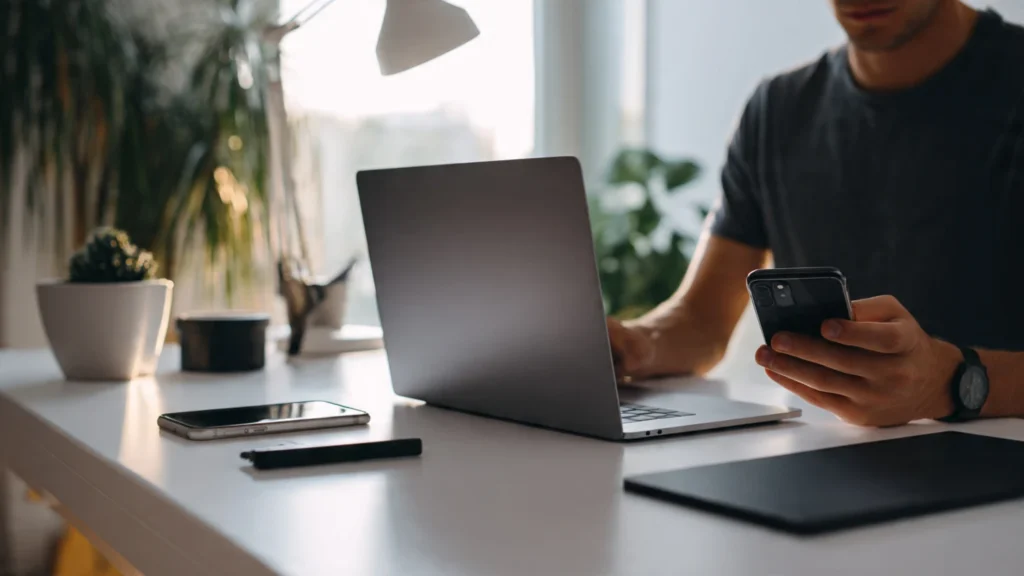
When I stopped obsessing over what I lacked, things shifted fast. Skills, time, and access to the internet count as real assets. If you can write, organize, design, teach, clean, drive, or manage systems, you already hold something people pay for.
I started by listing what I did naturally well and what people already asked me for help with. That list became my starting point. Service-based businesses thrive because they rely on effort, not inventory. Freelancing, consulting, tutoring, and local services let you earn before you spend.
You don’t need perfection here. You need momentum. Start small, charge fairly, and refine as you go. This mindset keeps risk low and confidence high.
Why Is Bootstrapping the Smartest Way to Start a Business?
Bootstrapping taught me discipline fast. When every dollar matters, you make smarter choices. You avoid unnecessary tools, skip fancy branding, and focus on results that move the needle.
I reinvested my first profits into better tools and small upgrades. That decision kept me in control and debt-free. Bootstrapping also builds resilience. You learn how to market, sell, and operate without shortcuts, which pays off long-term.
This lean approach works especially well for online businesses, digital products, and solo entrepreneurs. Growth feels slower at first, but it stays sustainable.
What Are the Best Business Ideas With No Startup Costs?
Some ideas work better than others when money stays tight. I leaned toward options that required skills instead of supplies.
Service-based businesses like freelancing, virtual assistance, coaching, cleaning, or dog walking let you start immediately. Many clients even provide the tools, which removes another barrier.
Online businesses also shine here. Affiliate marketing, digital downloads, and print-on-demand stores rely on platforms that handle logistics. You focus on content, promotion, and value—not storage or shipping.
The key is choosing one idea and committing to it for at least 90 days. Jumping between ideas kills progress faster than lack of money ever will.
How Do I Validate a Business Idea Without Spending Money?
Validation saved me from wasting months on the wrong idea. Before I built anything, I talked to real people. I asked what problems frustrated them and what they already paid for.
I offered a pilot version of my service to a small group. Some paid upfront. Others gave feedback. Both results mattered. If people won’t commit early, that’s a signal—not a failure.
Social media, online communities, and your existing network work perfectly for this stage. Validation builds confidence and direction before you invest time and energy further.
How Can I Market a Business for Free or Cheap?
Marketing scared me until I simplified it. I picked one platform where my audience already hung out and showed up consistently. That choice mattered more than being everywhere.
I used free tools like Canva for visuals and basic website builders for credibility. Social media posts, short videos, and helpful comments built trust faster than ads ever did.
Consistency beats complexity. When people see you show up weekly with useful content, they remember you. That’s how organic growth starts.
Start a Business With No Money Step by Step
Start by identifying one service or product you can offer today using skills or assets you already own. Don’t overthink it. Choose something practical and in demand.
Next, research your audience by talking to potential clients and observing competitors. Look for gaps you can fill better or faster.
Create a simple plan that outlines what you offer, who it helps, and how you’ll reach them. Free templates and mentors from organizations like SCORE help here.
Then validate your idea by offering a pilot service or taking pre-orders. This step confirms demand before you scale.
Finally, reinvest every early profit back into the business. Upgrade tools, improve systems, and refine your offer as revenue grows.
What Funding Options Exist Once the Business Makes Money?
Once I had traction, funding became optional instead of urgent. That shift changed everything. With revenue, you gain leverage.
Crowdfunding works well for product-based ideas with a clear audience. Grants support specific groups and industries without repayment. SBA-backed loans help scale once systems stabilize.
The goal isn’t debt. The goal is choice. Revenue-first businesses grow with confidence.
Frequently Asked Questions
1. Can I really start a business with absolutely no money?
Yes, but you must trade money for effort and time. I started with free tools, personal outreach, and skills I already had. While you may eventually spend small amounts, the initial phase can remain cost-free if you focus on services or digital products.
2. How long does it take to make money when starting this way?
Results depend on consistency and demand. I earned my first payment within weeks because I sold a service directly. Product-based models take longer, but service businesses often generate income faster.
3. What mistakes should I avoid when starting with no money?
Avoid overplanning and underdoing. Don’t wait for branding, logos, or websites to be perfect. Focus on helping people and getting paid. Momentum matters more than polish.
4. Is this approach sustainable long-term?
Absolutely. Many successful businesses began this way. Bootstrapping builds strong foundations, smarter systems, and skills that help in making better decisions.
The “No Money” Myth Ends Here
Here’s what I know for sure: starting broke doesn’t mean staying small. It means starting smart. When you focus on skills, consistency, and real value, money becomes a tool—not a barrier.
If you’re waiting for the perfect moment or funding, stop. Start where you are, use what you have, and build something real. That first step changes everything.