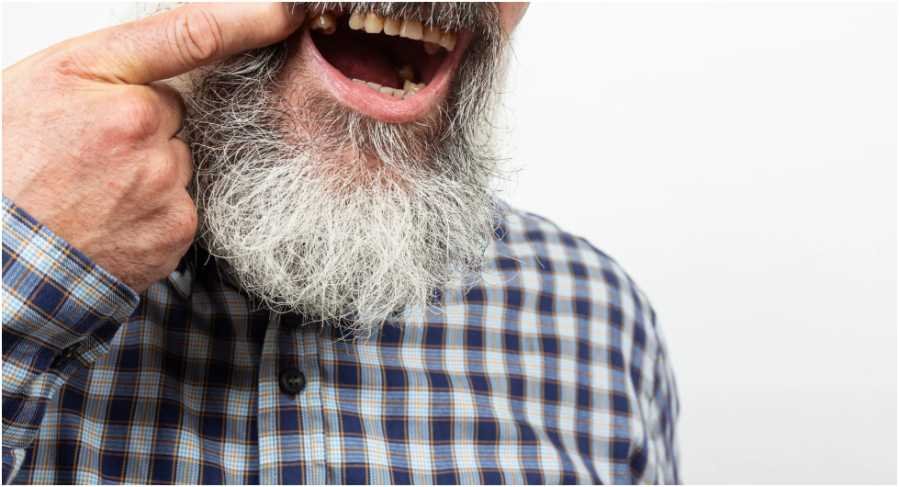
When you look in the mirror and notice a missing tooth, your first thought is likely about how it looks. We live in a culture that places a high value on a perfect, bright smile. Consequently, a gap in your grin can feel like a cosmetic disaster. You might stop smiling for photos, cover your mouth when you laugh, or feel a spike of anxiety before meeting new people.
The Oral-Systemic Connection Explained
To understand why a missing tooth matters so much, you have to look at the “oral-systemic connection.” This is the link between the health of your mouth and the health of the rest of your body.
The mouth is not a closed system. It is filled with bacteria—mostly harmless, but some can cause disease. Under normal circumstances, the body’s natural defenses and good oral health care (like brushing and flossing) keep these bacteria under control. However, when you lose a tooth—often due to advanced gum disease or decay—it signals an environment where harmful bacteria have taken over.
When the barrier of your gums is compromised, oral bacteria can enter the bloodstream and travel to other parts of the body. This creates a state of chronic inflammation. Medical researchers increasingly view this inflammation as a significant contributor to various systemic diseases. Therefore, ignoring a missing tooth isn’t just ignoring a dental problem; it’s potentially ignoring a catalyst for wider health deterioration.
How Tooth Loss Changes What You Eat (and How You Feel)
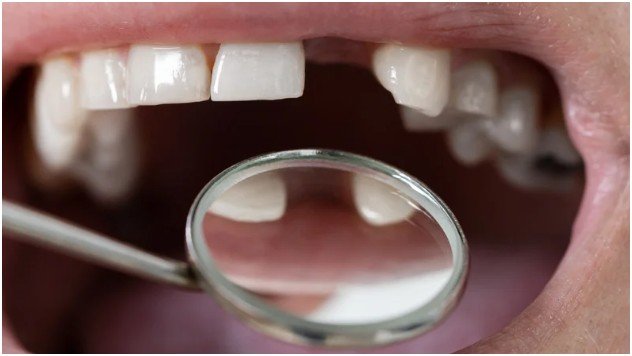
One of the most immediate physical impacts of losing a tooth is mechanical: you simply cannot chew as well as you used to. This might seem like a minor inconvenience, but it significantly alters your nutritional intake.
Digestion begins in the mouth. Your teeth are designed to tear, grind, and crush food into manageable pieces that your stomach can process easily. When you are missing teeth, particularly molars, your ability to break down food is compromised.
The Shift to “Comfort” Foods
People with missing teeth often subconsciously shift their diet toward softer, highly processed foods because they are easier to eat. Unfortunately, these foods are often high in carbohydrates and sugar but low in essential nutrients. Conversely, fibrous vegetables, nuts, seeds, and lean meats—the cornerstones of a healthy diet—become difficult or painful to chew.
The Consequence: Nutritional Deficiencies
Over time, this dietary shift can lead to significant nutritional deficiencies. A lack of fiber leads to digestive issues. A reduction in protein affects muscle maintenance. A scarcity of vitamins found in fresh produce weakens the immune system. In elderly populations specifically, the malnutrition stemming from an inability to chew properly is a major factor in declining overall health.
The Silent Shrinkage: Bone Loss and Premature Aging
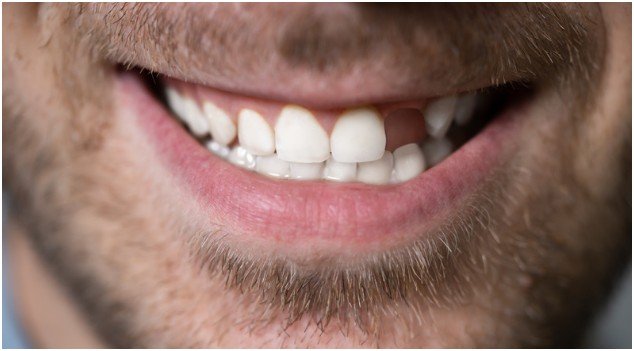
Your body operates on a “use it or lose it” principle, and your jawbone is no exception. The bone that surrounds and supports your teeth needs stimulation to maintain its density and form. In a healthy mouth, this stimulation comes from the small impacts and pressures transmitted through the tooth root to the jawbone every time you chew or bite.
When you lose a tooth, that stimulation ceases. The body, efficient as it is, realizes that the bone in that specific area is no longer serving a purpose. It begins to resorb, or break down, the bone tissue to use the minerals elsewhere.
The Facial Collapse
This bone loss happens faster than you might think. In the first year after losing a tooth, the width of the bone decreases by up to 25%. As the bone shrinks, the gum tissue also recedes.
This leads to changes in your facial structure. The jawbone provides the foundation for the lower third of your face. As it diminishes, the distance between your nose and chin decreases. This can cause your lips to appear thinner, your chin to become more pointed, and deep wrinkles to form around the mouth. This phenomenon, often called “facial collapse,” can make a person look significantly older than they actually are.
The Heart of the Matter: Cardiovascular Risks
The connection between oral health and heart health has been the subject of intense study for decades. While a missing tooth does not directly cause a heart attack, the conditions leading to tooth loss—specifically periodontitis (severe gum disease)—are strong indicators of cardiovascular risk.
The link, once again, is inflammation. When oral bacteria from gum disease enter the bloodstream, they can attach to fatty plaques in the coronary arteries (the blood vessels supplying the heart). This accumulation can contribute to clot formation. Blood clots can block normal blood flow, restricting the amount of nutrients and oxygen required for the heart to function properly. This significantly increases the risk of a heart attack.
Furthermore, some studies suggest that the systemic inflammation triggered by chronic oral infection plays a role in the hardening of arteries (atherosclerosis). By addressing the root causes of tooth loss and restoring the mouth to health, you are effectively removing a significant stressor from your cardiovascular system.
The Psychological Toll of a Hidden Smile
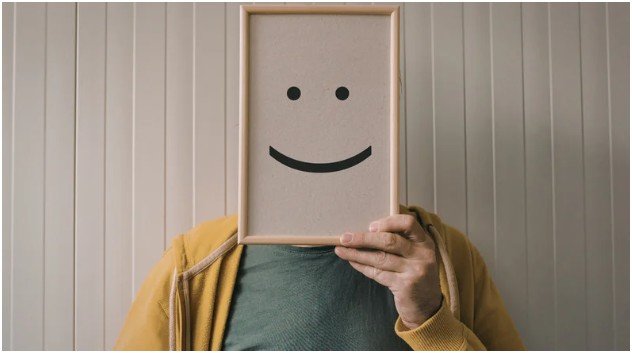
Health isn’t just about blood pressure and bone density; it is also about your mental and emotional state. The psychological impact of missing teeth is profound and pervasive.
A study found that tooth loss is frequently associated with depression and anxiety. The logic is straightforward: when you are self-conscious about your appearance, you alter your behavior.
- Social Withdrawal: You might decline dinner invitations because you’re worried about what you can eat or if your gap will show while chewing.
- Professional Impact: In professional settings, confidence is key. People with missing teeth often report feeling less confident in interviews or presentations, fearing they will be judged as having poor hygiene or lower competence.
- Altered Speech: Teeth play a crucial role in articulation. Missing front teeth can lead to a lisp or difficulty pronouncing certain words, which leads to further reluctance to speak up in social situations.
This cycle of withdrawal and triggers of anxiety creates a significant decline in quality of life. Restoring a smile is often the catalyst for restoring a person’s spirit and social confidence.
Solutions: It’s Never Too Late to Restore Your Health
The good news is that modern dentistry offers multiple effective solutions to replace missing teeth and halt the negative health effects described above. It is rarely too late to intervene.
Dental Implants
Implants are widely considered the gold standard for tooth replacement. Unlike other options, dental implants, such as those offered in Lufkin, TX, replace the root of the tooth, not just the crown. It is a titanium post surgically inserted into the jawbone. Because the body fuses with the titanium, the implant provides the necessary stimulation to the jawbone, effectively stopping bone loss and preserving facial structure.
Dental Bridges
A bridge is a fixed solution that uses the adjacent healthy teeth to support a false tooth in the gap. While bridges do not replace the tooth root (and therefore don’t stop bone loss), they effectively restore chewing function, prevent remaining teeth from shifting, and correct the aesthetic gap for a smile makeover.
Dentures
For those missing multiple teeth or a full arch, partial or full dentures are a viable option. Modern dentures are far more comfortable and natural-looking than those of the past. While they sit on top of the gums, they restore the ability to eat a wider variety of foods and support the facial muscles, preventing the “collapsed” look.
Preventative Care
If you still have your natural teeth, the best strategy is protection. Regular check-ups allow dentists to catch gum disease and decay early. Professional cleanings remove the hardened plaque (tartar) that brushing misses, keeping the inflammatory bacteria at bay.
Conclusion
A missing tooth is often viewed as a cosmetic inconvenience, a gap that can be hidden with a closed-lip smile or a turned head. But inside the body, the absence of that tooth is sounding an alarm. From the slow erosion of jawbone density to the increased strain on the heart and the limitations on your diet, the physical costs are too high to ignore.