
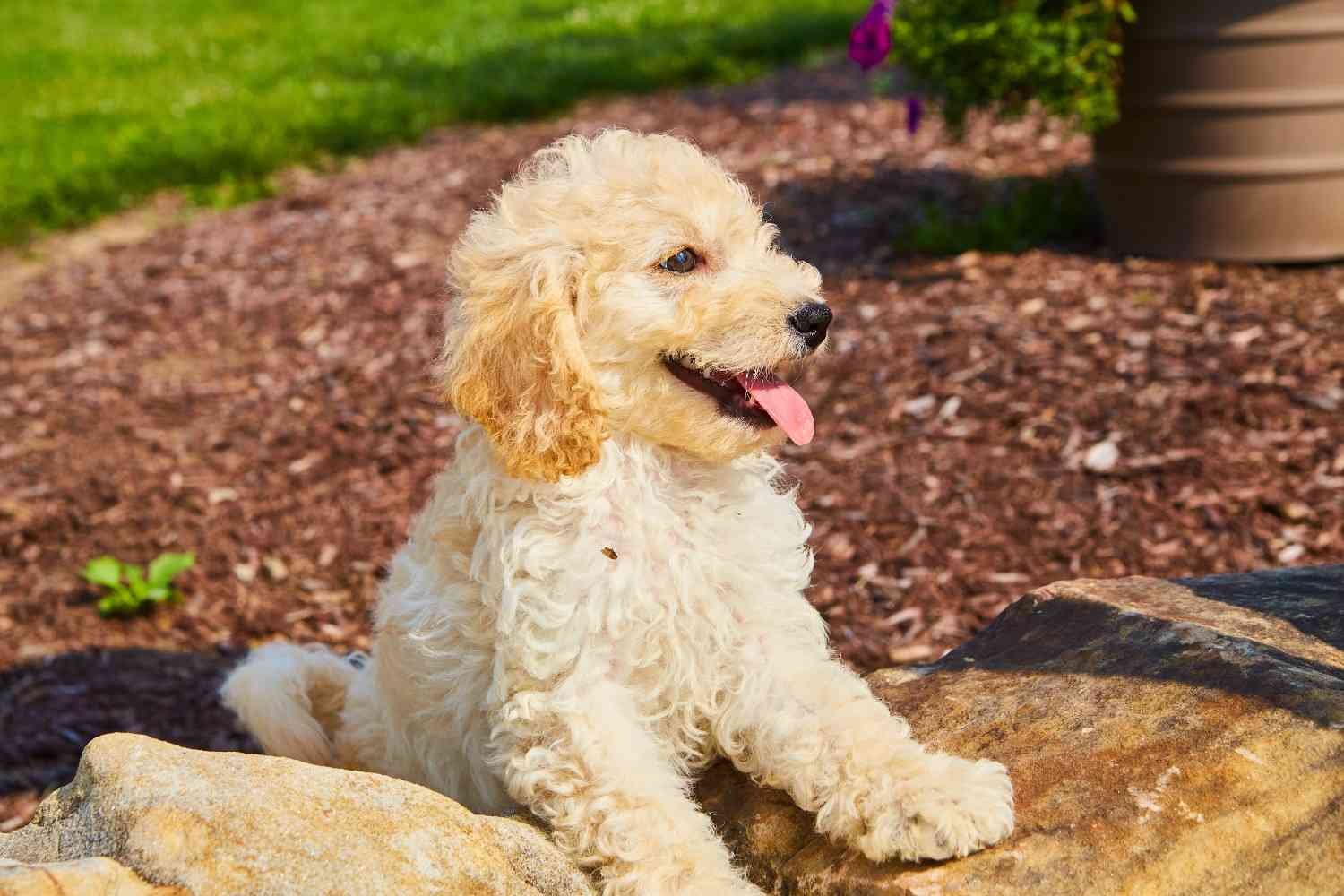
If you’re considering bringing a mini Goldendoodle into your family or you’re already watching your puppy grow, understanding what a full grown mini Goldendoodle looks like in size, temperament, health, and behavior is essential. As someone who has spent years studying crossbreed development, canine temperament, and hybrid genetics, I’ll break down exactly what you can expect from a mature mini Goldendoodle in real-world terms.
This insight helps prospective owners make informed decisions and ensures that current owners know what changes to anticipate as their dog matures. By setting realistic expectations early on, you’ll be better prepared to support your dog through every developmental stage.
When Is a Mini Goldendoodle Considered Full Grown?
Mini Goldendoodles typically reach their final height and most of their weight between 12 and 18 months of age. They grow rapidly in the first six months and then slowly fill out and build muscle across the next year.
- Rapid growth: 2–6 months
- Slowed growth: 6–12 months
- Maturity and final weight: 12–18 months
Many owners mistake early height development for full maturity, but emotional and behavioral maturation continues until 18 months or even slightly beyond.
Full Grown Mini Goldendoodle Size and Weight
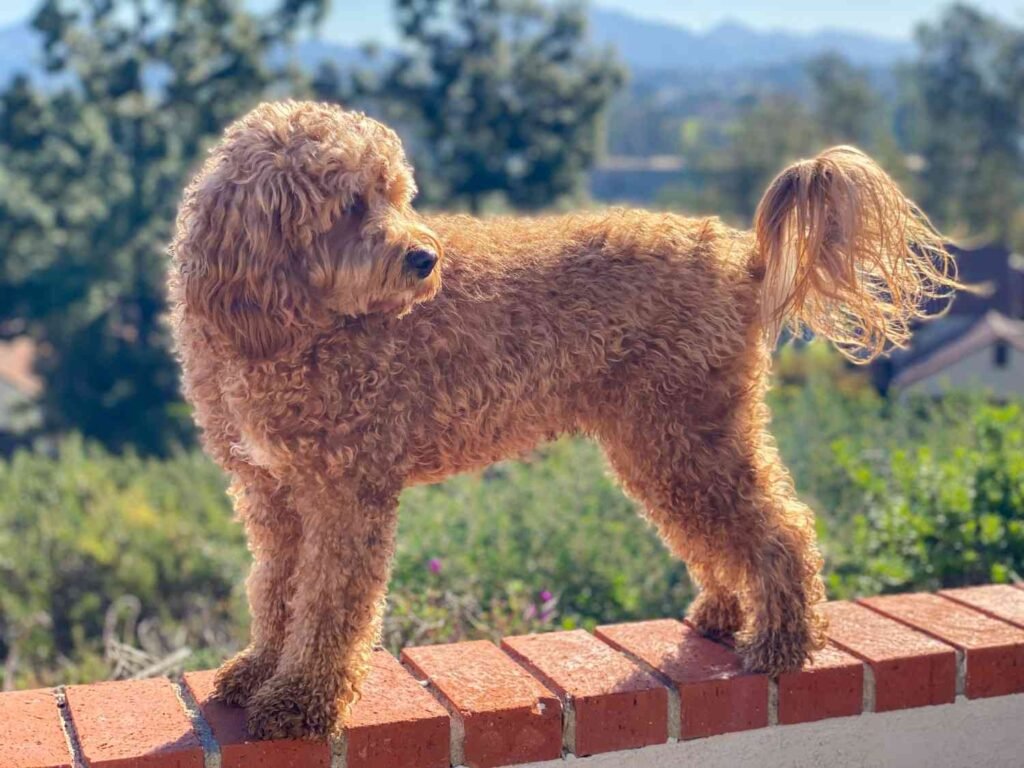
A fully matured mini Goldendoodle typically stands:
- 13–20 inches tall at the shoulder
- 15–35 pounds in weight
- Some larger-boned variations can reach up to 40 pounds
The wide range is due to genetic variance — especially from which parent the dog takes after more.
Size Comparison: Mini vs Toy vs Standard Goldendoodles
Here’s a helpful quick-view reference:
| Type of Goldendoodle | Average Height | Average Weight | Ideal Living Environment |
| Toy Goldendoodle | 10–12 inches | 10–20 pounds | Apartments or small homes |
| Mini Goldendoodle | 13–20 inches | 15–35 pounds | Apartments or homes with or without a yard |
| Standard Goldendoodle | 20–26 inches | 45–80 pounds | Homes with larger spaces or yards |
Mini Goldendoodles strike a sweet balance: small enough for compact living, but big enough to feel sturdy and athletic — not fragile.
What Affects the Size of a Full Grown Mini Goldendoodle?
Three primary factors influence adult size:
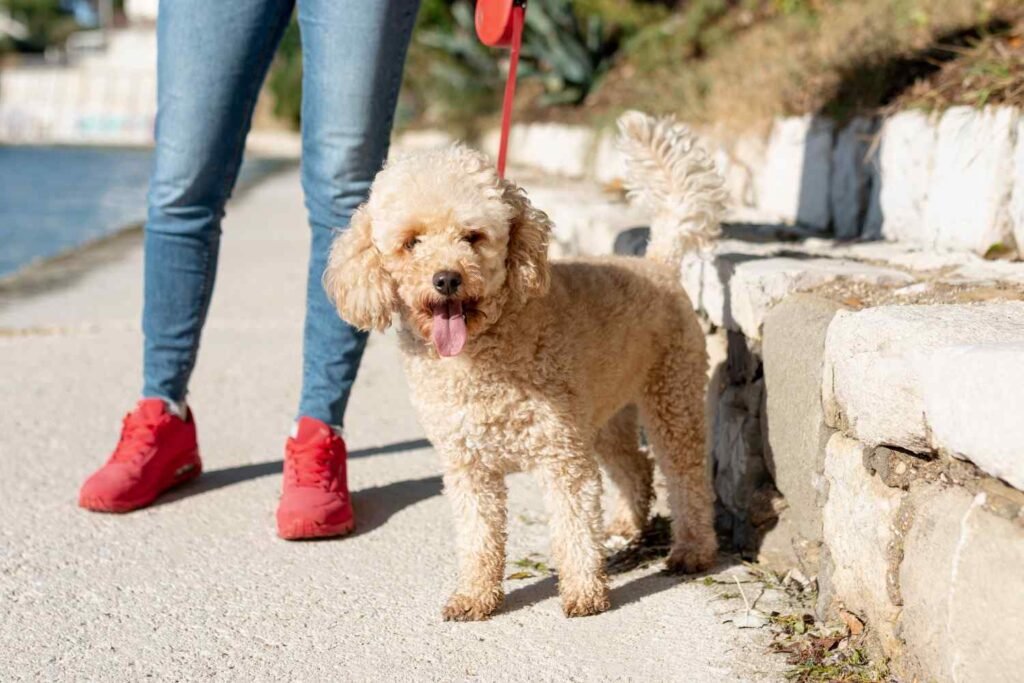
1. Parent Genetics
Mini Goldendoodles come from breeding a Miniature Poodle with a Golden Retriever, though the ratio varies by generation.
2. Generation Type
- F1 (50% Golden Retriever / 50% Mini Poodle)
Most size variability - F1B (75% Poodle / 25% Golden Retriever)
Smaller average size and curlier coat - F2 and Multigenerational
More consistent predictability
3. Nutrition and Early-Life Growth
Proper diet and portion control impact weight. Overfeeding can lead to an overweight adult much larger than genetically intended.
Temperament of a Full Grown Mini Goldendoodle
Mini Goldendoodles are famously pleasant, people-oriented dogs with balanced energy and a cooperative nature. A full grown mini Goldendoodle typically exhibits:
- High intelligence
- Strong desire to please
- Gentle, patient behavior
- Adaptability to new environments
- Good interaction with children and other pets
Their emotional intelligence and social nature make them excellent companion animals, therapy dogs, and family pets.
Coat Type and Shedding: What to Expect
One of the biggest reasons people choose the mini Goldendoodle is the coat.
Common coat types include:
- Wavy coat – most common, low shedding
- Curly coat – almost non-shedding, most hypoallergenic-friendly
- Straight coat – less common, can shed more
Important clarification: No dog is truly 100% hypoallergenic.
However, mini Goldendoodles are among the best choices for allergy-sensitive homes.
Exercise Needs of a Full Grown Mini Goldendoodle
Mini Goldendoodles are athletic, playful, and energetic. They require:
- 30–60 minutes of daily exercise minimum
- Walks, ball chasing, agility games, frisbee, swimming, or interactive play
Regular activity keeps them mentally sharp and prevents destructive boredom behaviors like chewing, digging, or excessive barking.
Trainability and Intelligence
These dogs inherit the best of both parent breeds:
- Golden Retrievers: desire to please + heart-driven loyalty
- Poodles: analytical problem-solving + fast learning capability
A full grown mini Goldendoodle is generally:
- Easy to train
- Quick to understand commands
- Responsive to positive reinforcement
- Hard-wired to be social and affectionate
They excel in obedience training and mental stimulation games.
Health and Lifespan of a Full Grown Mini Goldendoodle
Average lifespan: 12–16 years
Common conditions to monitor:
- Hip dysplasia
- Ear infections (due to floppy ears)
- Patellar luxation
- Skin allergies
- Progressive Retinal Atrophy (PRA)
Routine vet care and proper nutrition significantly reduce these risk factors.
Grooming a Full Grown Mini Goldendoodle
Depending on coat type, most will require:
- Brushing: 3–5 times weekly
- Professional grooming: every 6–10 weeks
- Ear cleaning regularly to prevent moisture-based infections
Neglecting grooming results in matting, discomfort, and potential skin problems.
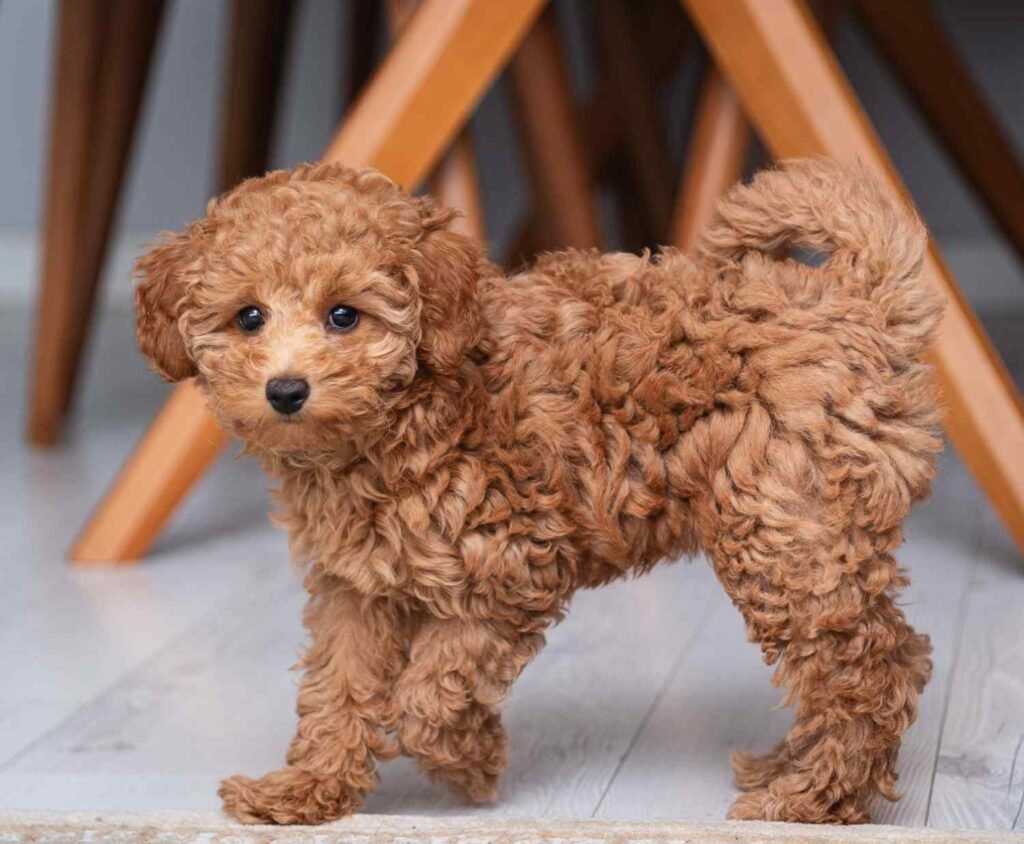
Ideal Owners and Living Conditions
A full grown mini Goldendoodle thrives with:
- Families
- Individuals working from home
- First-time dog owners
- Homes with children
- Households with other pets
They are adaptable to both apartment and suburban living. What they require most is companionship and interaction.
Feeding a Full Grown Mini Goldendoodle
A mature mini Goldendoodle typically needs:
- 1 to 2 cups of high-quality dry kibble per day, depending on activity
- Balanced protein, healthy fats, and no filler grains when possible
- Avoiding over-feeding and high-calorie snacks
Obesity is one of the biggest avoidable health risks.
Frequently Asked Questions
1. How big will my mini Goldendoodle get?
Most finish between 15–35 pounds and 13–20 inches tall, with final size reached around 12–18 months.
2. Are mini Goldendoodles hypoallergenic?
They are low-shedding and allergy-friendly, especially with curlier coats, but no breed is fully hypoallergenic.
3. Do mini Goldendoodles bark a lot?
Generally no. They’re not known as excessive barkers unless bored or under-stimulated.
4. Is a mini Goldendoodle good for apartments?
Yes. Their compact size, low shedding, and friendly nature make them excellent apartment dogs as long as they receive daily exercise.
Final Thoughts on the Full Grown Mini Goldendoodle
A full grown mini Goldendoodle is the perfect blend of size, temperament, intelligence, and companionship. They fit beautifully into a wide range of lifestyles, from busy families to solo owners, and their loving, intuitive nature makes them more than a pet — they become a true family member.
Their charm doesn’t just come from their adorable teddy-bear looks, but from their emotional awareness, trainability, and joyful enthusiasm for life. If you want a dog that is small enough to live comfortably with you, social enough to bond deeply, and intelligent enough to adapt to nearly any routine, the mini Goldendoodle is a wonderful choice.