Owning an RV offers freedom and adventure, but improper storage can lead to costly repairs and stress. Whether you use your RV all year or just for a season, correct storage is crucial for protecting your investment. Many owners make small, avoidable mistakes that can shorten their vehicle’s lifespan or cause issues down the road. This guide covers the most common RV storage mistakes and offers practical tips to keep your vehicle in great condition.
Leaving the RV Unprepared for Storage
One common mistake RV owners make is storing their vehicle without proper preparation. Neglecting this step can cause problems like mold, pests, battery failure, and unpleasant odors. To avoid this, thoroughly clean both the interior and exterior. Food crumbs, moisture, and dirt can attract insects and rodents.
Be sure to drain water systems, empty tanks, and disconnect batteries to prevent damage. Proper preparation ensures your RV stays in good condition and avoids unwelcome surprises when it’s time to use it again.
Ignoring Weather Exposure
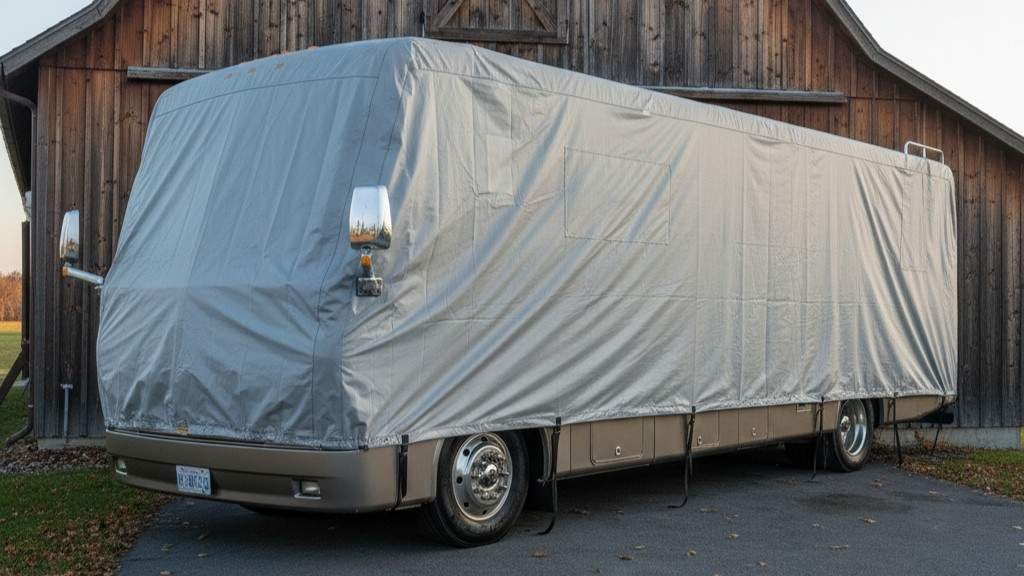
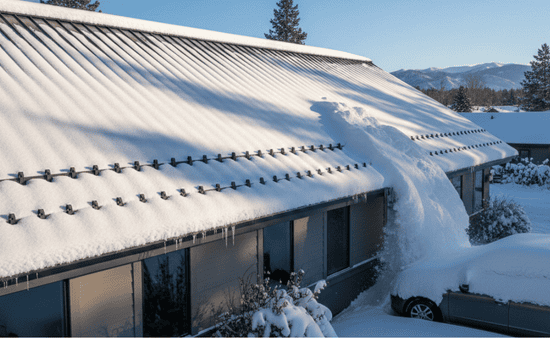
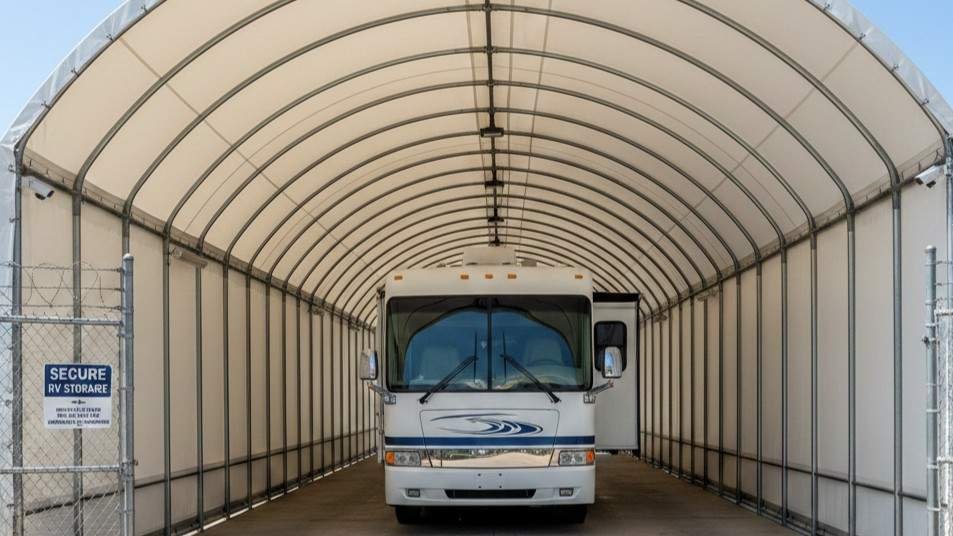
Weather is another major issue for RVs stored outdoors. Prolonged exposure to sun, rain, and snow can wear down seals, tires, and exterior finishes. Many owners underestimate this damage. Choosing a storage option that minimizes weather impact is crucial for protecting your RV’s paint, roofing, and rubber seals, especially with seasonal temperature changes.
Failing to Protect Tires and Suspension
RV tires are often overlooked during storage, but they’re highly vulnerable to damage. Leaving an RV in one spot for months can cause flat spots and cracking. A common mistake is not inflating the tires to the correct pressure before storage.
Using tire covers and periodically moving the RV helps maintain tire integrity. Additionally, properly supporting the vehicle reduces stress on the suspension system over long periods.
Not Controlling Moisture and Ventilation
Moisture buildup inside an RV can lead to mold, mildew, and unpleasant odors. This often happens when the RV is sealed too tightly, preventing proper airflow. While many owners believe closing all vents is the safest option, poor ventilation actually traps humidity.
To maintain a dry interior, use moisture absorbers and ensure there is minimal airflow. Regular checks during the storage period can help you catch and address any issues early.
Skipping Routine Checks During Storage
A common mistake is storing your RV and neglecting it for months. Even with proper storage, issues can develop over time—batteries can drain, covers may shift, and pests can still get inside. Regular inspections help you catch small problems early, preventing costly repairs. Scheduling routine checks keeps your RV in good condition and ready for the road.
Choosing the Wrong Storage Location
Not all storage locations are suitable for RVs. Some owners choose convenience over security or proper spacing, leading to potential damage or theft. Using a dedicated facility, like RV storage in West Jordan, UT, ensures your vehicle’s specific needs are met. Proper spacing, accessibility, and secure surroundings reduce the risk of accidental damage or unauthorized access. A well-chosen location makes storing and retrieving your RV much easier.
Forgetting About Pest Prevention

Rodents and insects can cause serious damage to your RV’s wiring, insulation, and upholstery. A common mistake is assuming pests won’t be an issue during storage. To protect your vehicle from unwanted guests, seal all entry points, remove every food item, and use deterrents. A clean, well-maintained RV is far less attractive to pests than one left unattended.
Overlooking Documentation and Organization
Many RV owners overlook the importance of organizing essential documents and accessories before storage. Store manuals, maintenance records, and keys securely and label them clearly. Keeping an inventory of stored items and maintenance tasks makes it easier to get your RV ready for your next trip. Proper organization saves time and prevents unnecessary frustration.
Making Storage Decisions Too Late
Waiting until the last minute to arrange RV storage can limit your options and lead to subpar choices that may not provide proper protection. Planning ahead gives you the opportunity to find storage that fits your RV’s size and care needs. It also reduces stress during seasonal transitions and ensures your RV is stored safely and correctly.
Conclusion
Avoiding common RV storage mistakes comes down to preparation, awareness, and consistency. Taking the time to properly prepare your vehicle, select a suitable storage location, get rid of pests like wasps and perform regular checks can significantly extend its lifespan. These habits not only protect your investment but also offer peace of mind, making future trips more enjoyable and hassle-free.