

Back pain is one of the most common reasons people miss work or visit a doctor. While acute pain usually results from a sudden injury and heals within a few weeks, chronic back pain is different. It persists for twelve weeks or longer, even after the initial injury or underlying cause has been treated. Living with this constant discomfort can be exhausting and frustrating. It affects not just your physical abilities but your emotional well-being as well.
Understanding the nature of this condition is the first step toward managing it. By recognizing the causes and exploring effective treatments, you can regain control over your daily life and find relief.
Distinguishing Acute from Chronic Pain
It is important to understand the difference between acute and chronic pain. Acute pain acts as a warning system. It tells you that you have hurt yourself, like touching a hot stove or spraining an ankle. Once the injury heals, the pain stops.
Chronic pain behaves differently. The pain signals remain active in the nervous system for weeks, months, or even years. In some cases, the initial injury has healed, but the pain continues. For others, an ongoing condition like arthritis causes the discomfort. This type of pain requires a different approach than simply resting for a few days. It often demands a comprehensive management plan that addresses both the physical and lifestyle factors involved.
Common Culprits Behind the Pain
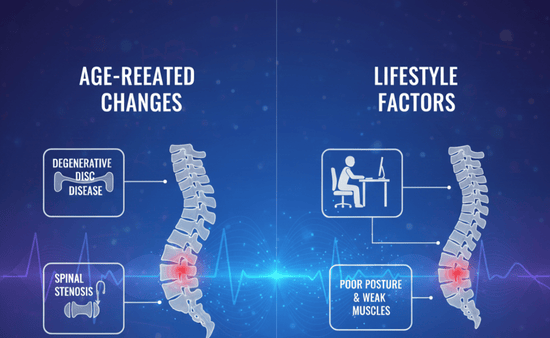
Identifying the root cause of chronic back pain can be challenging. Sometimes it is a single issue, but often it is a combination of factors.
Age-Related Changes
As we age, the spine undergoes natural changes. The discs between the vertebrae can dry out and shrink, losing their ability to cushion the bones. This condition is often referred to as degenerative disc disease. Spinal stenosis, which is the narrowing of the space around the spinal cord, can also put pressure on nerves and cause pain.
Lifestyle Factors
Sedentary habits play a significant role in back health. Sitting at a desk for long periods without adequate back support can weaken the muscles that support the spine. Poor posture, whether sitting or standing, places unnecessary strain on the back. Additionally, lack of regular exercise leads to stiffness and weak core muscles, making the back more susceptible to injury and strain.
The Impact on Daily Life
Chronic back pain does not exist in a vacuum. It ripples out to affect every aspect of your day. Simple tasks like tying shoelaces, driving a car, or standing in line at the grocery store can become difficult ordeals.
The impact extends to sleep quality as well. Pain often makes it hard to fall asleep or stay asleep, leading to fatigue. This creates a cycle where exhaustion lowers your pain tolerance, making the back pain feel even worse the next day. The constant discomfort can also lead to irritability, anxiety, and depression. Addressing the mental toll is just as important as treating the physical symptoms.
Strategies for Management and Relief
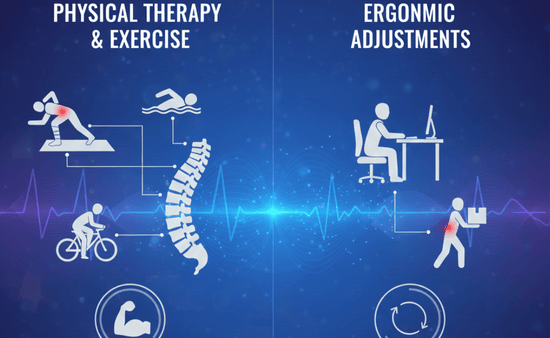
Managing chronic back pain typically involves a mix of treatments. What works for one person might not work for another, so it is often a process of trial and error.
Physical Therapy and Exercise
Movement is often the best medicine. Physical therapy can teach you exercises to strengthen your core and improve flexibility. A strong core acts like a natural corset, supporting your spine and taking pressure off the lower back. Low-impact activities like walking, swimming, or biking are also excellent for keeping muscles active without jarring the spine.
Ergonomic Adjustments
Take a look at your environment. If you work at a desk, ensure your chair supports your lower back and that your computer screen is at eye level. When lifting heavy objects, use your legs rather than your back. Small adjustments in how you move and sit can accumulate to provide significant relief over time.
When to Seek Professional Care
Home remedies and lifestyle changes are powerful, but they are not always enough. If pain persists despite your best efforts, it is time to consult a professional. Medical experts can offer advanced diagnostics and treatments ranging from medication to injections.
Many people find relief through manual therapies. These treatments focus on realigning the spine and improving the range of motion. For residents in specific communities, finding a local expert is key to consistent care. For example, visiting a qualified chiropractor from Ionia could provide the targeted adjustments needed to alleviate spinal tension. Regular sessions with a specialist can help maintain spinal health and prevent flare-ups.
Taking Charge of Your Health
Chronic back pain is a complex condition, but it does not have to dictate your life. By staying active, maintaining a healthy weight, and seeking professional help when needed, you can manage the symptoms effectively. The goal is not just to reduce pain but to improve your overall function and quality of life. Start with small, consistent changes today to build a stronger, healthier back for the future.
