
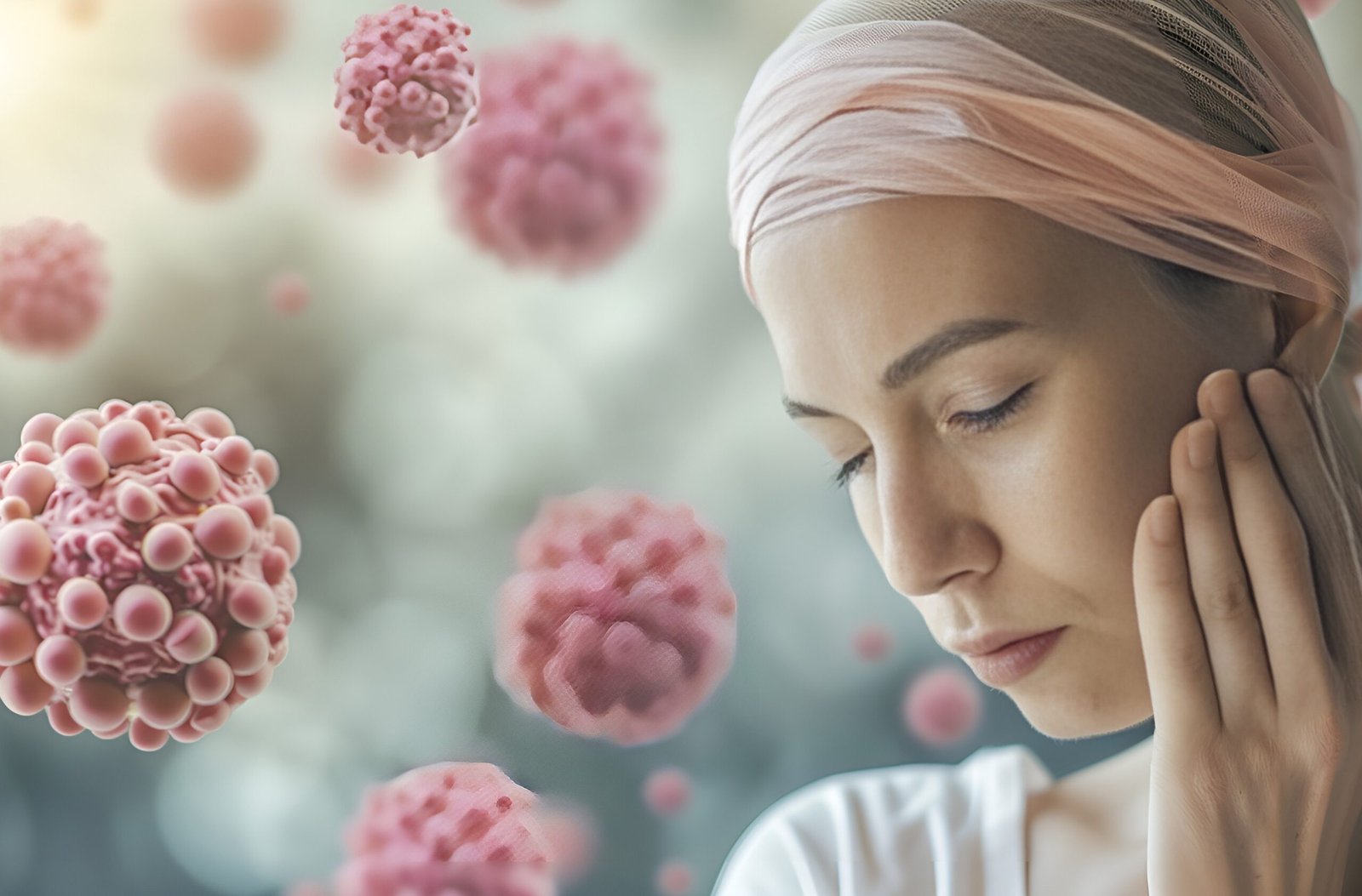
Skin cancer is one of the most common forms of cancer worldwide, yet many people underestimate the factors that put them at risk. While awareness campaigns have made strides in educating the public about sun exposure, the reality is that skin cancer can result from a combination of lifestyle choices, environmental factors, and genetics. Understanding these causes is the first step toward prevention and early detection.
Ultraviolet (UV) Radiation: The Leading Cause

The most significant contributor to skin cancer is ultraviolet (UV) radiation from the sun or tanning beds. UV rays damage the DNA in skin cells, leading to mutations that can trigger cancer. Both UVA and UVB rays are harmful: UVA penetrates deeper layers of the skin and accelerates aging, while UVB primarily causes sunburn.
Frequent and unprotected exposure to the sun increases the likelihood of developing melanoma, basal cell carcinoma, or squamous cell carcinoma. Even short periods of intense sun exposure, such as during vacations, can have a lasting impact.
Tanning Beds: A Dangerous Shortcut
Artificial tanning has become increasingly popular, especially among younger individuals seeking a quick tan. However, tanning beds emit concentrated UVA and UVB rays that can be up to 15 times stronger than the midday sun. Studies show that people who use tanning beds before age 35 increase their risk of melanoma by 75%. Dermatologists strongly advise against the use of tanning beds and emphasize safer alternatives like spray tans or self-tanning lotions.
Genetic Factors and Family History
While lifestyle and environmental factors play a significant role, genetics also contribute to skin cancer risk. Individuals with fair skin, light hair, and light-colored eyes are more prone to sunburns and UV damage. Moreover, a family history of skin cancer increases susceptibility. Certain genetic mutations, like those affecting the p53 tumor suppressor gene, can impair the body’s ability to repair DNA damage, making it easier for cancerous cells to develop.
Age and Immune System Function
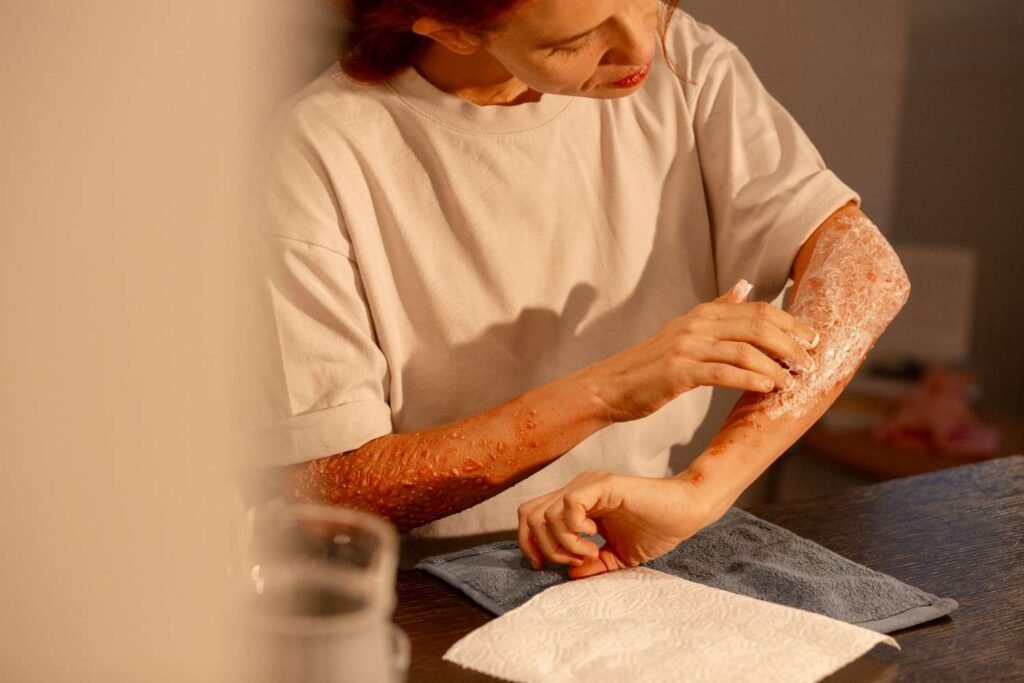
The risk of skin cancer increases with age, as cumulative sun exposure over the years causes more DNA damage. Additionally, individuals with weakened immune systems—due to conditions like HIV/AIDS, organ transplants, or immunosuppressive medications—are at higher risk. A compromised immune system can reduce the body’s ability to detect and destroy abnormal skin cells before they turn cancerous.
Chemical Exposure
Certain chemicals can also elevate the risk of skin cancer. Prolonged exposure to substances like arsenic, coal tar, or industrial solvents can damage skin cells and promote cancerous growths. People who work in industries with high chemical exposure should follow strict safety guidelines, including wearing protective clothing and applying barrier creams.
Lifestyle Choices
Lifestyle factors such as smoking and poor nutrition can indirectly affect skin cancer risk. Smoking impairs blood flow to the skin, weakening its natural defense mechanisms. A diet low in antioxidants and essential vitamins can reduce the body’s ability to repair cellular damage caused by UV radiation and pollutants. Conversations on platforms like heallth sciences forum often highlight how daily habits and nutrition choices can influence long-term skin health.
Prevention and Professional Care
Preventing skin cancer involves a combination of smart sun practices, protective clothing, and regular skin checks. Wearing broad-spectrum sunscreen with at least SPF 30, seeking shade during peak sun hours, and avoiding tanning beds are critical steps. Equally important is monitoring your skin for changes such as new moles, discoloration, or unusual growths. Early detection significantly improves treatment outcomes.
For those concerned about skin cancer risks, consulting a dermatologist skin cancer specialist in Kaysville, UT can provide personalized advice, screenings, and preventative care. These experts can help identify high-risk areas, perform biopsies if needed, and guide patients on proper sun safety measures.
In Conclusion
Skin cancer is a complex disease influenced by multiple factors, from UV exposure to genetics and lifestyle choices. By understanding the common causes, practicing safe habits, and seeking professional guidance, you can reduce your risk and catch potential problems early. Protecting your skin isn’t just about avoiding sunburn—it’s about safeguarding your long-term health. Take proactive steps today and prioritize skin health to unmask and combat the threat of skin cancer.