
I still remember the morning I learned the hard way what not to wear on a run. I pulled on a random cotton tee, grabbed the first socks I saw, and headed out feeling confident—until the sweat glued the shirt to my skin and the socks rubbed my heels raw.
That fiasco pushed me to finally understand what to wear running and how much the right clothes can change the entire experience. Today, I treat my running gear like an important part of my routine, not an afterthought.
Why Does Choosing What to Wear Running Matter So Much?
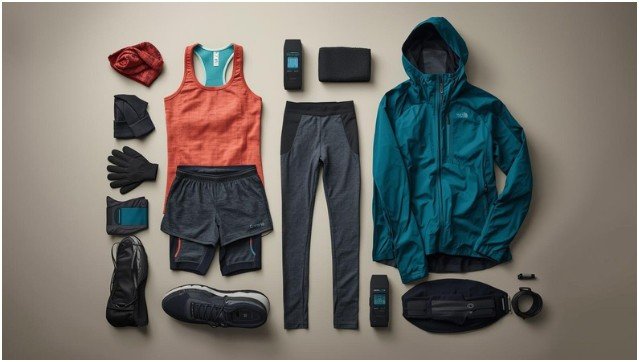
I used to think running clothes were just about looking sporty, but they actually control how comfortable I feel, how safely I run, and how long I stay out there. Moisture-wicking fabrics always save me from sweat buildup, and I never touch cotton anymore because it traps moisture and creates instant chafing.
The more I pay attention to temperature, layers, socks, and accessories, the more my runs feel lighter and easier. You’ll notice the difference too, especially when you experience how breathable gear keeps your body temperature in check. Dressing smart prevents distractions, injuries, and even mid-run misery.
Running clothing isn’t about being fancy—it’s about giving your body the support it needs while you enjoy the miles.
What to Wear Running in Hot Weather?

When temperatures climb, comfort comes from lightness and breathability. I always stick to synthetic fabrics that wick sweat away from my skin, because nothing drains your energy faster than gear that feels heavy and sticky. A lightweight tank or moisture-wicking tee helps you stay cool even when the sun pushes back.
Shorts become my best friend in the heat. I choose ones with built-in liners, and they stop chafing before it even starts. I also swear by light-colored clothes because they reflect sunlight instead of absorbing heat.
Accessories matter even more on hot days. A cap or visor shields your face, sunglasses protect your eyes from squinting fatigue, and sunscreen keeps your skin safe. For longer runs, I grab a hydration belt so I don’t feel dehydrated halfway through.
What to Wear Running in Mild Weather?

Mild weather feels like the sweet spot, but I still choose breathable fabrics that manage sweat. A moisture-wicking short-sleeve shirt keeps me comfortable across changing conditions, and I love layering a packable jacket that I can slip off and tie around my waist when I warm up.
My bottoms depend on my mood. Some days I go with shorts, other days with capris or tights. The idea is to dress so the first few minutes feel slightly cool, because my body always warms up as I move.
Standard running socks work well in this temperature zone, as long as they wick moisture and fit snugly. Mild weather gives you options, so experiment to see what feels natural on your runs.
What to Wear Running in Cold Weather?
Cold weather used to intimidate me, but the right layers changed everything. I follow a simple three-layer system that always works. I begin with a base layer—usually synthetic or merino wool—that hugs my skin and pulls sweat away. This one step keeps me warm without overheating.
My mid-layer gives me insulation. Sometimes I go for fleece, sometimes a long-sleeved thermal top, depending on how cold it feels outside. This layer traps warmth without weighing me down.
Finally, I add an outer layer that blocks wind and keeps rain or snow away. Breathability matters as much as protection here, or I get sweaty too quickly. For my legs, insulated tights or fleece-lined pants keep my muscles warm and prevent stiffness.
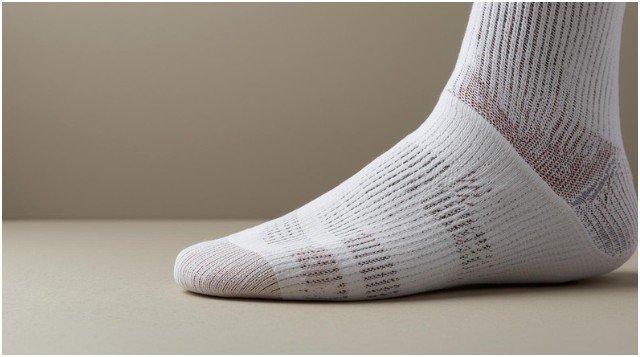
Cold weather also demands the small accessories we often forget. I always cover my ears with a beanie or headband, and gloves save my fingers from going numb. Thick merino wool socks keep my feet warm while still wicking sweat.
What to Wear Running When It’s Raining?
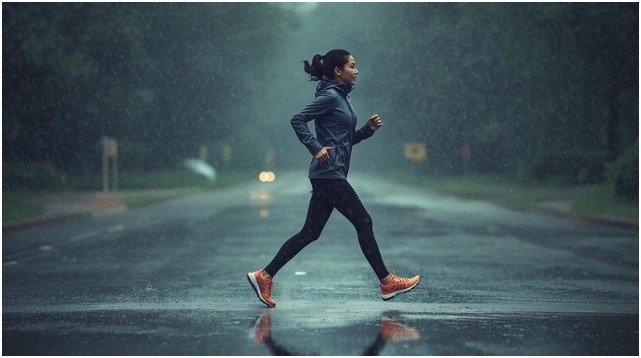
Running in the rain feels refreshing when you wear the right gear. A breathable waterproof jacket keeps me dry without turning into a sauna. I look for features like taped seams, ventilation zips, and an adjustable hood that doesn’t flap around.
For bottoms, I stick to water-resistant tights or pants so I don’t feel heavy or cold. Shoes matter the most here—trail shoes with good grip and a waterproof membrane help me stay steady on slippery surfaces.
Rain also makes visibility harder, so reflective details on my clothes give me an extra layer of safety. I like wearing a cap with a firm brim because it keeps raindrops out of my eyes and helps me see clearly.
Quick Temperature Guide: What to Wear Running
| Weather | What I Wear |
| Hot (27°C / 70°F+) | Lightweight tank or tee, breathable shorts, cap, thin socks, sunscreen |
| Mild (15–20°C / 50–60°F) | Light short-sleeve shirt, packable jacket, shorts or capris |
| Cool (5–10°C) | Long-sleeve tech shirt, tights, light jacket |
| Cold (0–5°C / 40°F or lower) | Base + mid-layer + windproof jacket, insulated tights, gloves, beanie |
| Rainy | Waterproof jacket, water-resistant tights, trail shoes with grip |
How Do I Build the Perfect Running Outfit? (How-To Guide)
I start by checking the weather before every run because the conditions shape everything I wear. Then I choose my base clothing according to temperature, paying special attention to moisture-wicking fabrics. Once I decide between tanks, tees, tights, or shorts, I layer smartly if the weather calls for it.
Next, I think about comfort. Socks play a huge role in preventing blisters, so I always choose cushioned, sweat-wicking ones. I also use gear like reflective straps or a vest when I know I’ll run early in the morning or after sunset.
Finally, I look at accessories. I grab my hat on sunny days, gloves on cold days, and hydration on long ones. The perfect outfit comes from knowing that every piece serves a purpose instead of just filling space.
FAQ: What Do Runners Usually Ask About What to Wear Running?
1. Should I dress warmer or colder when I run?
I always dress as if the temperature is about 10–15°F warmer because my body heats up within minutes. If I bundle up too much, I end up sweating heavily and feeling uncomfortable. Dressing slightly cooler makes the run smoother and more enjoyable.
2. Do running socks really matter?
Yes, they matter a lot. Regular cotton socks create friction and trap moisture, which leads to blisters. Running socks wick sweat, add cushioning, and help your feet feel fresh longer. I noticed a huge improvement when I switched.
3. What shoes should I wear for running?
I recommend getting fitted at a running store so you walk out with shoes that match your stride and arch shape. Cushioning, support, and fit all determine how comfortable your run will feel. Good shoes prevent injuries better than any other gear.
4. Do I need reflective gear?
If you run in low-light conditions, reflective gear becomes essential. Cars and bikes can’t see you clearly in dim lighting, so reflective elements on jackets, vests, or shoes add that needed visibility.
Stepping Out in Style: My Final Word on What to Wear Running
Running becomes more enjoyable when your outfit works with you instead of against you. I treat my running gear like a small investment in comfort, confidence, and consistency.
Start experimenting with layers, fabrics, and accessories until you discover what feels right for your body and your weather.
My final tip: Always choose moisture-wicking fabric first. It saves you from discomfort more than any other choice.