
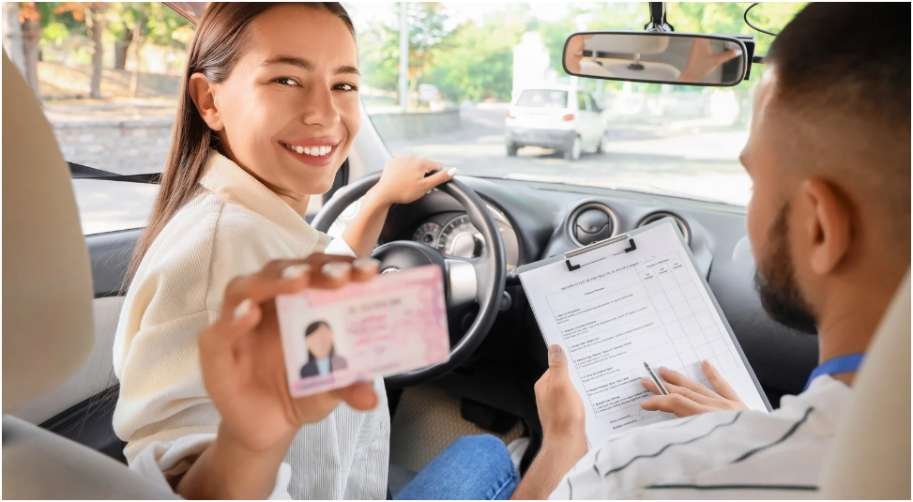
Getting a driver’s license opens up a completely new level of independence. You no longer have to rely on public transit schedules or ask for rides from family members. However, taking the wheel for the very first time can feel incredibly overwhelming.
Cars are heavy machines that require deep respect and your complete attention. By following the right steps, you can build confidence and stay safe on the roads. This guide covers the essential basics every new driver needs to know before starting the engine.
Preparing for the Driver Seat

Understanding Vehicle Basics
Before you press the gas pedal, you need to understand how the car operates. Take time to study the dashboard while the car is parked. Learn what the speedometer, fuel gauge, and temperature indicators actually mean. Knowing these symbols helps you identify potential mechanical issues before they become serious problems.
Next, adjust your seat so your feet easily reach the pedals without stretching. You should have a clear view over the steering wheel without straining your neck or back.
Checking Your Mirrors
Visibility is vital for safe travel. Adjust the rearview mirror so you can see directly out the back window. Set the side mirrors to minimize your blind spots. You want to see just a tiny sliver of your own car in the side mirrors, while the rest shows the lanes next to you. Checking your mirrors constantly will eventually become second nature, allowing you to monitor traffic approaching from behind.
Developing Safe Habits Early
Focusing on the Road Ahead
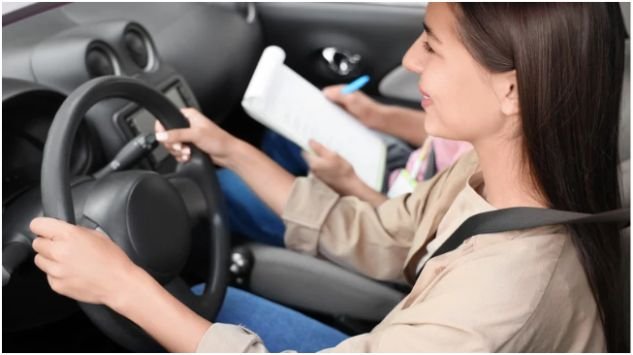
Distractions cause thousands of accidents every single year. Put your phone on silent and store it completely out of reach. Do not eat, adjust the radio, or turn around to talk to passengers while the vehicle is moving. Keep both hands on the steering wheel, typically at the nine and three o’clock positions. This specific grip gives you maximum control if you need to make a sudden turn to avoid an obstacle.
Managing Your Speed
Speed limits exist for a very good reason. They indicate the maximum safe speed for ideal weather and traffic conditions. When it rains, snows, or gets foggy, you must slow down. Driving too fast reduces your reaction time and increases the physical distance your car needs to come to a complete stop.
Always leave plenty of space between your vehicle and the car in front of you. A good rule is to keep at least a three-second gap at all times.
Navigating Traffic and Other Drivers

Communicating Your Intentions
Other drivers cannot read your mind. Use your turn signals every single time you change lanes or make a turn. Signal well in advance so the people around you have plenty of time to react. If you need to stop suddenly, tapping your brakes lightly can flash your brake lights and warn the person behind you to slow down.
Anticipating Hazards
The most capable drivers look far down the road to spot trouble before it arrives. Watch for brake lights lighting up several cars ahead of you. Pay close attention to pedestrians waiting at crosswalks or children playing near the street. Look out for erratic drivers weaving through lanes.
Taking a defensive driving course in Utah or a similar program in your local area can teach you advanced techniques for predicting and avoiding collisions. Learning to anticipate mistakes from other people keeps you out of harm’s way.
Mastering Essential Maneuvers
Handling Intersections Safely
Intersections represent some of the most dangerous spots on any route. Always look left, right, and then left again before proceeding on a green light. Never try to beat a yellow light. If you are turning, make sure you understand who has the right of way.
Parking Like a Pro
Parking requires spatial awareness and practice. Start by mastering standard forward parking in empty lots. Move on to backing into spaces using your mirrors rather than just turning your head. Finally, practice parallel parking between cones before trying it between actual cars on a busy street.
Practicing Consistently
Becoming a safe driver takes time, patience, and repetition. You will make minor mistakes, and that is a normal part of the learning process. Stay calm, follow the traffic rules, and focus on building good habits from day one and learn your hidden triggers to anxiety while driving to overcome the fear. Your confidence will grow with every single mile you drive. Soon enough, you will experience the true independence that comes with having your license.