
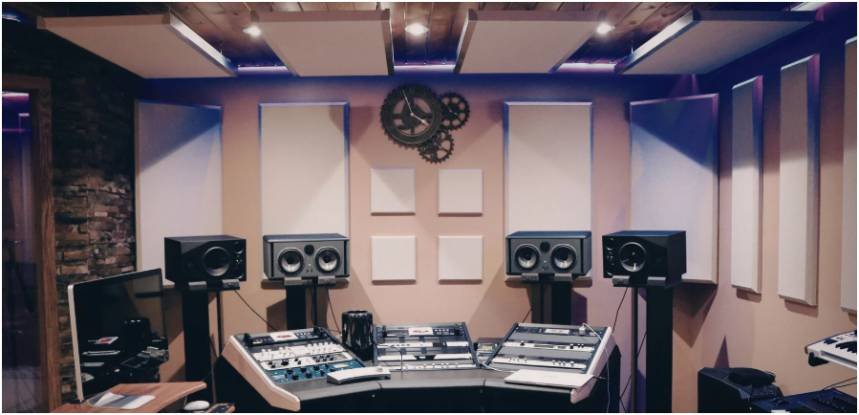
The design of a space goes far beyond its visual appeal. The way sound moves, reflects, and is absorbed within a room has a profound effect on its function and the well-being of its occupants. From concert halls to corporate offices, the sonic character of an environment can determine its success. This is where acoustic modeling becomes an indispensable tool, allowing designers and engineers to sculpt the sound of a space before construction even begins.
The Foundation of Acoustic Modeling
Acoustic modeling is a sophisticated process that utilizes specialized software to simulate the behavior of sound in a virtual environment. By inputting architectural plans, material properties, and intended uses for a space, designers can create a digital twin to predict its acoustic performance. This technology allows for the precise analysis of sound waves as they travel from their source, interact with surfaces, and reach a listener’s ear.
This predictive capability is crucial. It moves acoustic design from a reactive process, where problems are fixed after they arise, to a proactive one. Instead of relying on guesswork, teams can visualize and quantify acoustic metrics like reverberation time, speech clarity, and sound distribution.
Understanding Sound Behavior
The core of modeling involves tracing sound energy. The software calculates how different surfaces will affect sound. Hard, smooth materials like glass and concrete tend to reflect sound, which can lead to echoes and excessive reverberation. In contrast, soft, porous materials such as carpets, specialized panels, and certain textiles absorb sound, reducing noise levels and improving clarity.
By assigning these properties to every surface in a digital model, it becomes possible to see potential issues. For instance, a model might reveal that a large, open-plan office with many hard surfaces will suffer from poor speech privacy and distracting background noise, hindering productivity.
Applications Across Different Environments
Acoustic modeling provides distinct benefits for various types of spaces, each with its own unique set of sonic requirements.
Performance Venues and Auditoriums
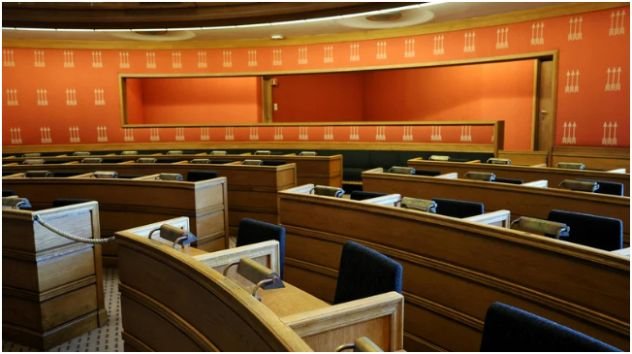
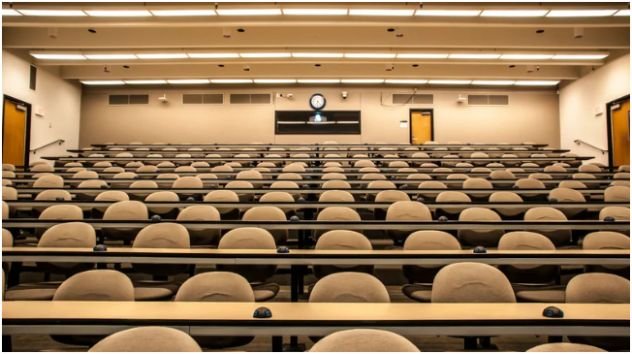
For concert halls, theaters, and lecture halls, sound quality is paramount. The goal is to ensure that every member of the audience has a clear and rich listening experience, regardless of where they are seated. Modeling helps engineers optimize the shape of the room and select materials that diffuse sound evenly. This prevents “dead spots” where sound is weak and “hot spots” where it is overly harsh.
Commercial and Educational Spaces
In offices, classrooms, and libraries, the primary acoustic goal is often different. Here, the focus is on speech intelligibility and minimizing distractions. A well-designed acoustic environment in a school can directly impact learning outcomes by ensuring students can clearly hear their teachers. In an office, effective sound management can enhance concentration and employee comfort. Professionals such as noise control consultants use these models to develop strategies that balance collaboration with the need for focused work.
Healthcare Facilities
Hospitals and clinics present a unique challenge. They must provide a calm and restful environment for patients while ensuring clear communication among staff. Acoustic modeling helps in designing patient rooms that promote healing by reducing intrusive noise from hallways and equipment. It also aids in creating spaces where confidential conversations between doctors and patients are protected.
The Process of Transformation
The true power of acoustic modeling lies in its iterative nature. Once an initial model identifies potential acoustic problems, designers can experiment with different solutions within the software. They can test the impact of adding sound-absorbing panels to a ceiling, changing the angle of a wall, or specifying a different type of flooring.
Each change generates new data, allowing the design team to compare results and make informed decisions. This cycle of testing and refining continues until the model shows that the acoustic goals have been met. This approach saves significant time and money by preventing costly retrofits after a building is completed. It ensures that the final, physical space functions exactly as intended from an acoustic standpoint.
By visualizing the invisible world of sound, acoustic modeling empowers architects and engineers to create spaces that are not only beautiful but also highly functional and comfortable for everyone who uses them.