
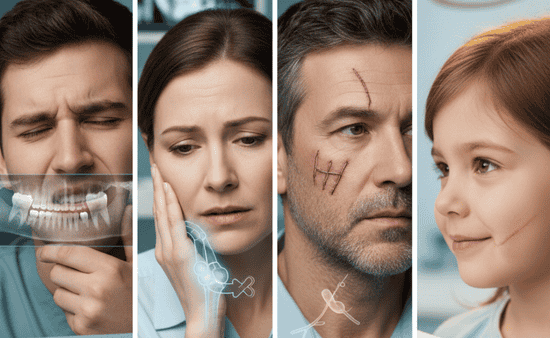
We often take our faces for granted. They are our primary means of communication, expressing joy, sorrow, anger, and love without a single spoken word. Beyond expression, our facial structures are vital for essential functions like eating, breathing, and speaking. So, when something goes wrong—whether it’s a persistent ache, a structural issue, or the aftermath of an injury—it can be deeply unsettling.
Many minor facial issues resolve on their own or with simple treatments from a general practitioner or dentist. A small cavity, a mild sinus infection, or a minor scrape usually doesn’t require a specialist. However, there is a distinct tipping point where general care is no longer sufficient. Certain conditions are complex enough that they demand the expertise of a specialist who understands the intricate anatomy of the face, jaw, and mouth.
Knowing when to seek this specialized care can be the difference between a quick recovery and long-term complications. This article explores the signs and specific conditions that indicate it’s time to look beyond your primary care doctor and consult a specialist.
Complex Dental and Jaw Issues
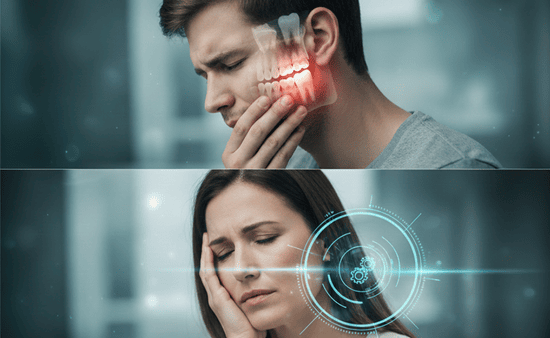
Most of us see a dentist for routine cleanings and fillings. But the mouth is a complex ecosystem involving bone, muscle, nerves, and teeth. Sometimes, problems arise that are beyond the scope of general dentistry.
Impacted Wisdom Teeth
Wisdom teeth are the final set of molars to emerge, usually in late adolescence or early adulthood. Often, there simply isn’t enough room in the jaw for them to erupt properly. They become “impacted,” meaning they are trapped beneath the gum line or against other teeth. This can cause severe pain, infection, and damage to adjacent teeth. While some general dentists perform simple extractions, impacted teeth often require the precision of a surgeon to navigate the nerves and bone surrounding the tooth.
Temporomandibular Joint (TMJ) Disorders
The TMJ acts like a sliding hinge connecting your jawbone to your skull. TMJ disorders can cause pain in your jaw joint and in the muscles that control jaw movement. While occasional discomfort is common, chronic pain, clicking sounds, or “locking” of the jaw indicate a more serious mechanical issue. Specialized care is often needed to diagnose the root cause—whether it’s arthritis, jaw injury, or genetics—and to provide treatments ranging from therapy to surgery.
Corrective Jaw Surgery (Orthognathic Surgery)
Sometimes, the upper and lower jaws don’t meet correctly. This isn’t just a cosmetic issue; it can affect biting, chewing, swallowing, and even breathing (as seen in sleep apnea). When orthodontics alone can’t resolve the misalignment, surgery is necessary to reposition the jaws. This is a significant procedure that requires meticulous planning and execution by a specialist.
Facial Trauma and Injury
Accidents happen. A fall, a sports injury, or a car accident can result in damage to the face. The face has a high density of nerves and blood vessels, making trauma repair delicate work.
Fractures
Facial fractures can affect the nose, cheekbones, eye sockets (orbital fractures), and the upper or lower jaw. Unlike a broken arm that can be casted, facial fractures often require surgical intervention to realign the bones using plates and screws. This ensures that the face heals with proper symmetry and function. For instance, an orbital fracture needs careful repair to prevent vision problems or a sunken eye appearance.
Soft Tissue Injuries
Deep lacerations or injuries involving salivary glands or facial nerves require specialized attention. Improper healing can lead to visible scarring or loss of sensation and movement in parts of the face. Specialists are trained in techniques that minimize scarring and restore function to damaged nerves and ducts.
Oral Pathology and Cysts

Changes in the mouth’s lining or the development of lumps and bumps should never be ignored. While many oral lesions are benign, some can be indicative of more serious conditions.
Cysts and Tumors
Cysts are fluid-filled sacs that can develop in the jawbone or soft tissues. Tumors can also grow in the oral cavity. Even benign growths can be destructive, expanding and weakening the jawbone or displacing teeth. Removing these growths often requires surgery to ensure the entire lesion is excised while preserving the surrounding healthy tissue.
Oral Cancer
Early detection is critical for oral cancer. If your dentist or doctor notices a suspicious area—such as a red or white patch that won’t go away, or a persistent sore—they will refer you to a specialist for a biopsy. If cancer is confirmed, surgical removal is often part of the treatment plan, sometimes requiring reconstruction of the affected area.
Chronic Facial Pain and Nerve Issues
Pain is the body’s warning system, but when it becomes chronic, it becomes a condition in itself. Facial pain can be notoriously difficult to diagnose because so many systems (nerves, sinuses, teeth, muscles) overlap in a small area.
Trigeminal Neuralgia
This chronic pain condition affects the trigeminal nerve, which carries sensation from your face to your brain. Even mild stimulation of your face—such as brushing your teeth or putting on makeup—may trigger a jolt of excruciating pain. This condition often requires specialized management, which can range from medication to surgical decompression of the nerve.
Congenital Defects
Some facial conditions are present from birth. Cleft lip and cleft palate are among the most common birth defects in the United States. These conditions occur when facial structures that are developing in an unborn baby don’t close completely. Repairing a cleft is not a single surgery; it is a process that often spans years. It requires a multidisciplinary team approach to address appearance, feeding, speech, and hearing. Specialized surgeons play a central role in reconstructing the lip and palate to allow the child to lead a normal, healthy life.
Seeking the Right Specialist
If you or a loved one are experiencing any of the issues mentioned above, it is important to seek a referral to a specialist. These professionals have undergone extensive training beyond dental or medical school. For example, those requiring maxillofacial surgery in Richmond Indiana would look for a provider who is board-certified and has a track record of treating complex facial conditions.
When choosing a specialist, consider asking:
- How often do you treat this specific condition?
- What are the potential risks and benefits of the proposed treatment?
- What does the recovery process look like?
Prioritizing Your Facial Health
The face is central to our identity and our daily functioning. When medical issues arise that threaten its structure or health, “wait and see” is rarely the best approach. Recognizing the signs that require specialized intervention empowers you to advocate for your health.
Whether it is correcting a painful jaw misalignment, repairing a fracture after an accident, or addressing a suspicious growth, specialized medical care ensures that the complex anatomy of the face is treated with the precision it deserves. By seeking the right expertise at the right time, you can restore not just the function of your face, but your confidence and quality of life as well.