
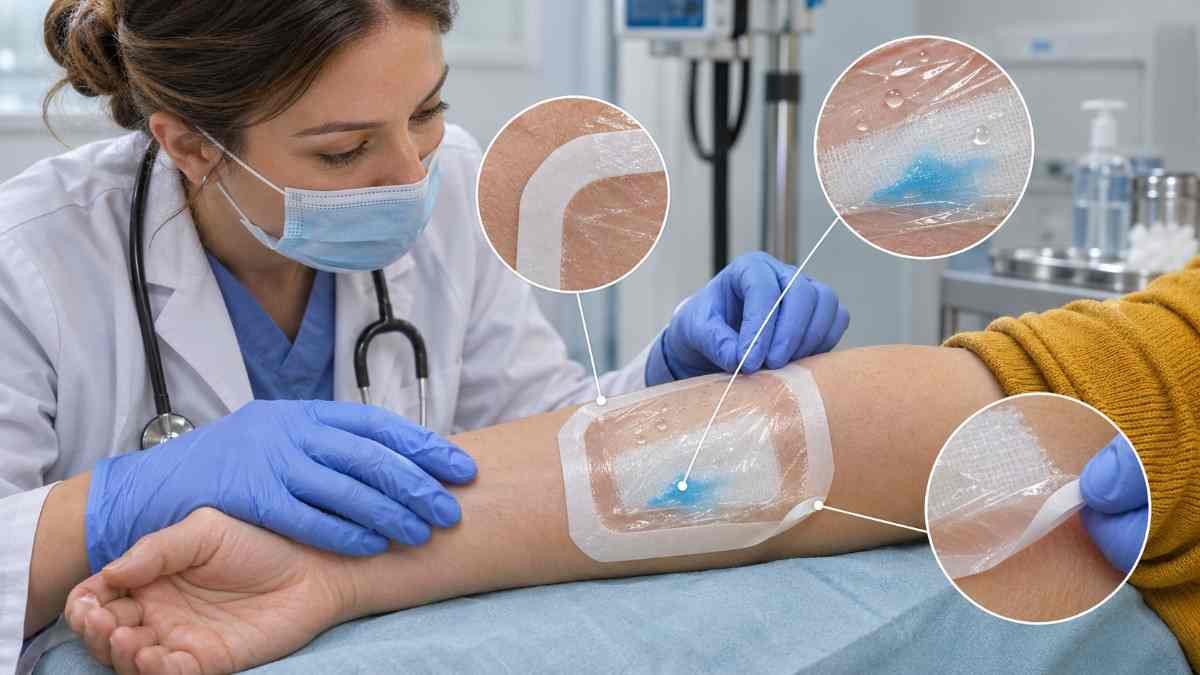
If a wound dressing gets wet, follow the instructions from your clinician and the dressing manufacturer. A splash on a waterproof exterior can be different from water reaching the wound or loosening an edge. Checking the seal and knowing when replacement is needed helps you respond without relying on appearance alone.
For that reason, the real issue is not simply “wet or dry.” It is whether the dressing is still doing its job. A good waterproof system should reduce uncertainty, protect the wound during everyday routines, and make it obvious when the barrier has been compromised. That is the practical value DrySee is built around: fewer guesses, clearer decisions, and less unnecessary disturbance to the wound.
A wet dressing can happen during a shower, while washing hands, or during active recovery. Sometimes the exposure is brief. Sometimes the seal is pushed beyond what it can handle. The difference between those scenarios is why people need a more exact framework than “change it if it feels damp.”
What Actually Changes When Water Reaches The Seal
When water gets past the perimeter of a dressing, the problem is not only the moisture itself. The concern is what the moisture can carry with it. Water exposure can weaken adhesion, reduce the reliability of the barrier, and make it harder to tell whether the wound stayed protected. Even if the dressing appears intact, the seal may no longer be dependable.
The Difference Between Surface Moisture And Intrusion
A splash on the outside of the bandage is not the same as water penetrating the perimeter. Surface moisture may dry without affecting the wound at all. Intrusion is different. Once liquid reaches the seal area, the dressing can no longer be assumed to provide full protection.
That is why a true water tight bandage is about more than resisting water for a few minutes. It is about maintaining a secure barrier and helping the user know when that barrier has been breached. DrySee’s color-changing perimeter is designed for exactly that purpose. If liquid penetrates, the dressing changes from white to blue, creating a visible signal that the dressing needs to be replaced.
Why Guessing Creates Unnecessary Risk
Many people respond to a wet dressing by changing it too early or waiting too long. Both approaches have drawbacks. Replacing a dressing too soon can disturb the wound and interrupt the protective environment. Waiting too long after intrusion can leave the wound exposed to unwanted moisture or contamination.
The better approach is to use the dressing itself as a source of information. When the bandage can signal compromise visually, the decision becomes simpler and more consistent. That is one reason DrySee stands out: it turns wound protection into something you can verify rather than assume.
How To Judge Whether Replacement Is Needed
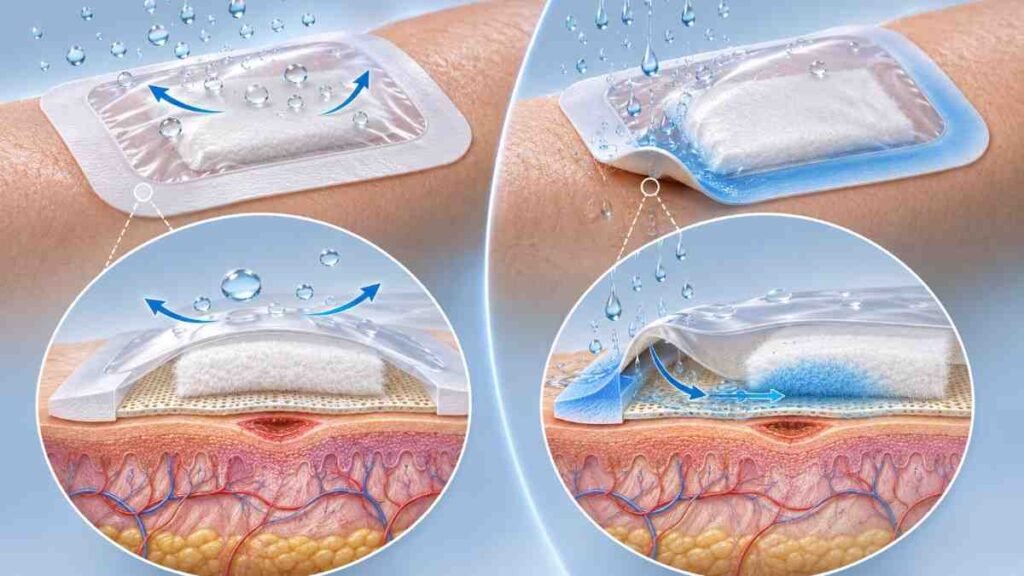
The best replacement decision starts with what the dressing tells you, not just how it feels. If the barrier remains white and the dressing is secure, the wound may still be protected. If the liquid alert indicator turns blue, the dressing has done its job by warning you that water made it through the seal.
Here is the practical rule set many users can follow:
- If the outer surface got splashed but the perimeter stayed unchanged, inspect the dressing and keep monitoring it.
- If the perimeter changed color, replace the dressing.
- If the adhesive edge is lifting, the barrier should not be trusted.
- If the pad or edge feels compromised after showering, swimming, or heavy moisture exposure, replacement is the safer choice.
- If you are unsure, do not assume the seal is still intact.
That framework is useful because it separates observation from speculation. The point of a water tight bandage is not to eliminate all exposure forever. It is to provide dependable protection and a clear signal when that protection is no longer complete. Discuss dressing concerns alongside questions to ask during checkups.
What Makes DrySee Different In Daily Use
DrySee is not trying to make wound care more complicated. It is doing the opposite. Its design is meant to reduce the amount of guesswork people deal with during recovery. The liquid intrusion perimeter is the key feature. It gives users a visual warning when water gets past the seal, which is more practical than trying to infer a leak from discomfort alone.
The product also uses a clear, flexible, non-latex adhesive and a non-stick absorbent pad made with 100% USP cotton processed without chlorine. Those details matter because recovery products are only useful if they can be worn comfortably enough to become part of daily life. If a dressing is too rigid, too opaque, or too hard to interpret, people stop trusting it.
DrySee offers sizes such as 2×2 and 4×4, which makes it easier to match the dressing to the wound and the situation. A smaller wound may not need the same coverage as a larger incision or abrasion. That flexibility matters because dressing choice is part of the protection strategy, not an afterthought.
Protection You Can See Matters More Than Assumptions
The phrase “protection you can see” is more than a slogan when applied correctly. It addresses a common recovery problem: people want to continue normal life, but they do not want to constantly wonder whether a dressing failed. DrySee helps close that gap by making the barrier status visible.
That matters after surgery, during short-term wound care, and for anyone trying to shower or move through the day without repeatedly disturbing the site. The result is not just convenience. It is better decision-making.
Practical Scenarios Where The Difference Becomes Obvious
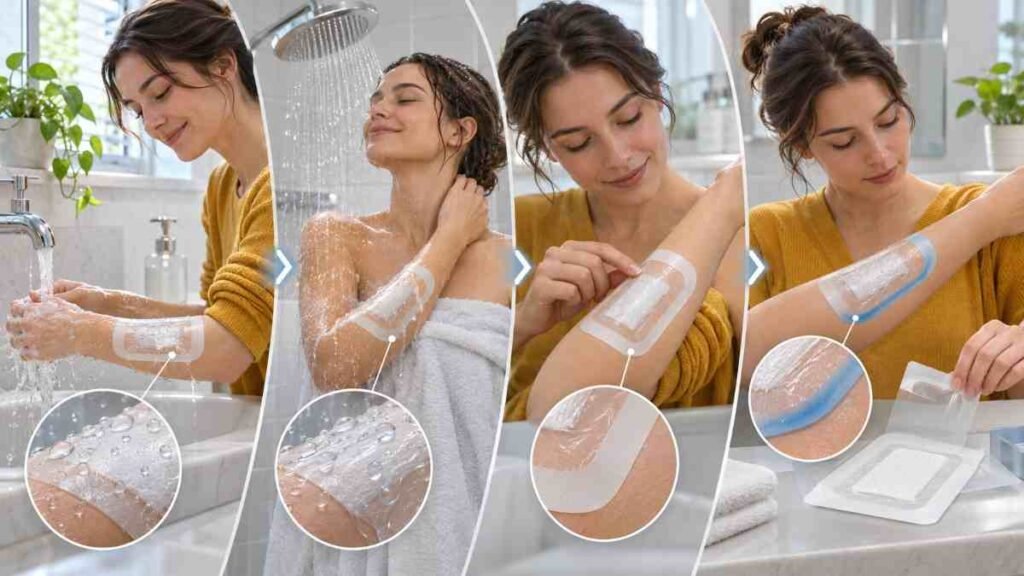
A dressing that gets wet does not always require the same response. Context matters, and good wound care depends on reading the situation carefully.
A quick shower is different from repeated water exposure. A small splash while washing hands is different from submerging a dressing during swimming. A bandage that stayed sealed is different from one that changed color at the edge. These distinctions are exactly why a visible indicator is valuable. Some complications, including facial conditions requiring specialized medical care, need professional evaluation.
Consider three common scenarios:
- A post-surgical patient showers carefully and notices no color change. The dressing may still be usable.
- A person with a cut gets water on the bandage edge, and the perimeter turns blue. That is a clear sign to replace it.
- Someone wearing a dressing during an active day sees no obvious leak, but the edge lifts after sweating and movement. The seal should be reassessed, even if the wound itself seems fine.
This is where DrySee adds real strategic value. It helps users move from vague concern to a specific response. That reduces unnecessary disruption while still respecting the reality that a compromised dressing should not stay in place.
The Long-Term Value Of Better Judgment, Not Just Better Materials
A lot of wound care products promise protection. Fewer help users judge protection accurately. That is the deeper point here. The value of a smarter dressing is not only in the barrier it creates, but in the clarity it provides when the barrier changes.
DrySee’s approach is especially useful because it recognizes a simple truth: people do not live in controlled conditions. They shower, wash, move, and recover. Dressings have to work inside that reality. A bandage that can visually signal liquid intrusion gives users a more disciplined way to manage replacement, which can support cleaner routines and less uncertainty over time.
If a dressing gets wet, do not make the decision based on habit alone. Check whether the seal is still intact, look for a visual indicator, and replace the dressing when the barrier has been compromised. That is the practical advantage of a well-designed waterproof dressing, and it is the standard DrySee is clearly aiming to meet.
If you want a clearer way to manage wound protection during everyday life, explore DrySee’s wound care solution and choose the dressing approach that gives you confirmation, not guesswork.