

When you’re booking a trip, travel insurance might feel like an unnecessary add-on or something that only anxious travelers buy.
But as someone who has researched travel coverage policies, real-world claim patterns, and global medical risks extensively, I can tell you that the decision is far more nuanced.
Whether travel insurance is worth it truly depends on your destination, investment level, health coverage, and risk tolerance.
This guide breaks down everything clearly so you can make the smartest decision for your situation and travel confidently knowing you’ve evaluated all angles.
What Does Travel Insurance Actually Cover?
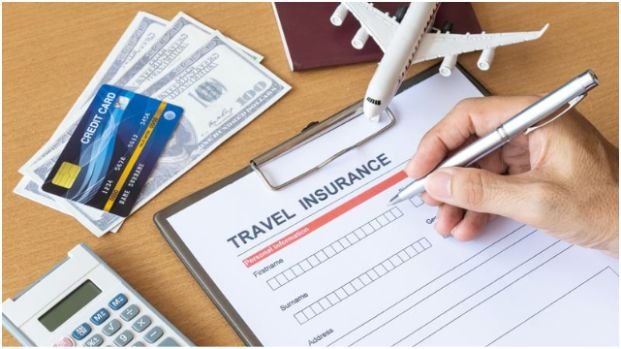
Most standard policies include:
- Trip cancellation
- Trip interruption or delay
- Lost or delayed baggage
- Emergency medical treatment abroad
- Emergency medical evacuation
- Accidental death or repatriation
- Travel assistance and support services
If things go wrong while traveling, these protections can be invaluable.
When Is Travel Insurance Worth It?

For Expensive or Non-Refundable Trips
If you’re spending thousands on flights, cruises, or tours, insurance can shield you from losing that investment if life throws a curveball.
For International Medical Coverage
U.S. health insurance, including Medicare, usually doesn’t cover:
- Foreign hospital bills
- Emergency transport
- Air ambulance services
A medical evacuation can cost $20,000–$200,000 depending on distance.
For High-Risk Activities
If your trip includes adventure activities such as:
- Skiing
- Diving
- Mountain trekking
You may need a sports-coverage add-on.
For Countries Requiring Insurance
Some destinations require proof of insurance, including:
- Cuba
- Qatar
- UAE
- Certain Schengen visa categories
When You Might Not Need Travel Insurance
Domestic Trips
If you’re traveling within your home country, your existing health insurance typically covers you.
Low-Cost or Spontaneous Trips
If your trip is cheap or refundable, the insurance cost may exceed the risk.
You Already Have Coverage
Some credit cards include:
- Trip delay protection
- Lost baggage coverage
- Rent-a-car insurance
Always check before paying for duplicate coverage.
Quick Comparison: When You Do vs. Don’t Need Travel Insurance
| Scenario | Risk Level | Recommendation | Why |
| $5,000 international trip | High | Buy insurance | Medical + cancellation risk |
| Cheap domestic weekend trip | Low | Skip insurance | Small financial loss potential |
| Cruise or group tour | High | Buy insurance | Strict cancellation penalties |
| Traveling to remote locations | High | Buy insurance | Evacuation risk |
| Traveling with refundable tickets | Medium | Depends | Consider existing coverage |
| Pre-existing medical conditions | Medium | Buy but verify coverage | Policies vary |
| Extreme sports vacation | High | Buy add-on | Standard policies exclude risk |
Understanding Policy Exclusions
Many travelers assume travel insurance is a blanket protection. It’s not. Most policies exclude:
- Undisclosed pre-existing medical conditions
- Canceling due to fear or personal preference
- Non-essential cancellations
- High-risk activities not covered in the policy
- Incidents related to alcohol or drug use
Cancel For Any Reason (CFAR)
This upgrade allows near-total cancellation flexibility, but:
- It costs more
- Must be purchased early
- Reimburses only 50–75% of trip cost
What Does Travel Insurance Cost?
On average, policies cost 5–10% of the total trip price.
Example:
A $4,000 vacation = $200–$400 insurance cost.
For many travelers, this feels reasonable for peace of mind.
Practical Tips Before Buying Travel Insurance

- Compare plans through sites like InsureMyTrip or Squaremouth
- Check what your credit card already covers
- Understand medical and evacuation coverage
- Read claim requirements carefully
- Buy soon after your initial deposit
FAQs About Travel Insurance
Do I need travel insurance for Europe?
It depends on your trip cost and coverage. Some visas require it, and medical evacuation alone makes insurance valuable.
Does travel insurance cover COVID-19 related issues?
Many policies do now, but not all. Some require proof of diagnosis or documentation.
Can I get insurance after I book a trip?
Yes, but early purchase improves coverage—especially for medical waivers.
Is travel insurance worth it for cruises?
Yes. Cruise medical access is limited and cancellations are expensive.
Will travel insurance refund me if I simply change my mind?
Not unless you have CFAR coverage.
Final Thoughts
So, is travel insurance worth it? The real answer is that it depends on your trip, budget, and personal comfort with risk. For small domestic trips with flexible refunds, coverage might be unnecessary. But for international travel, significant prepaid expenses, cruises, or destinations with limited medical infrastructure, travel insurance isn’t just helpful—it’s responsible planning.
At the end of the day, travel is unpredictable. Weather, health, airlines, and world events are beyond our control. Travel insurance gives you a financial safety net and peace of mind, ensuring that an unexpected disruption doesn’t turn into a financial crisis. The more you invest in your trip and the farther you travel from home, the more worthwhile travel insurance becomes.