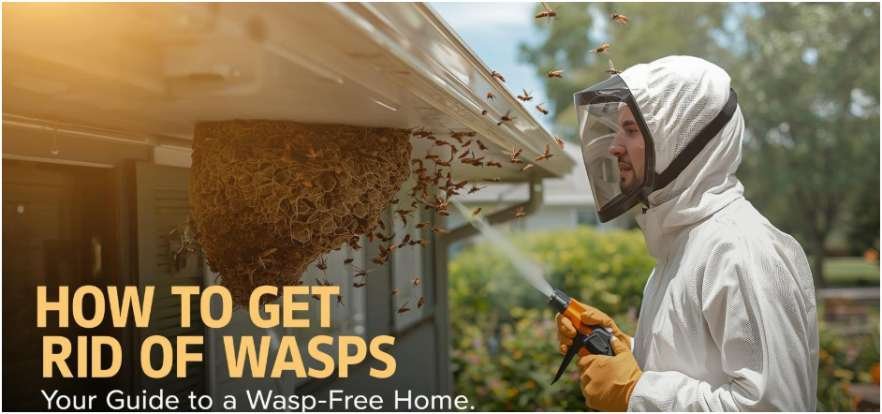
If you’ve ever tried enjoying your backyard only to have wasps circling your head or building a nest under the eaves, you know how unsettling they can be. Wasps are beneficial predators in nature—but around your home, they can become aggressive, territorial, and dangerous, especially for children or those with sting allergies.
This expert guide gives you research-backed, practical solutions you can actually use. We’ll cover safe removal steps, smart prevention, and how to decide whether you should attempt this yourself or call a professional.
Understand the Enemy: Why Wasps Become a Problem
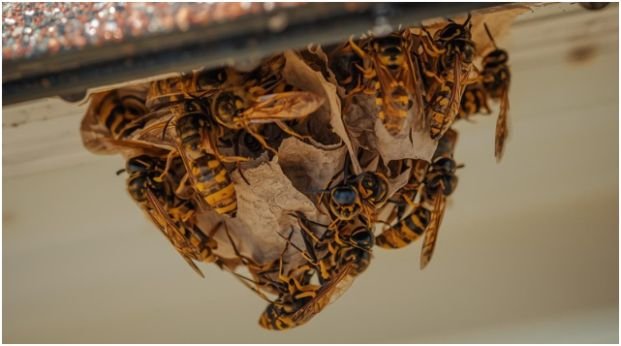
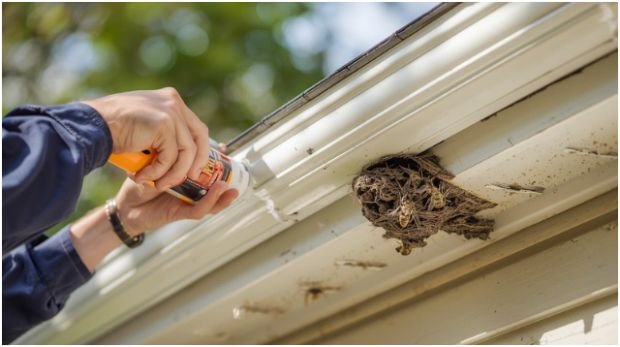
Wasps build nests anywhere they find shelter—patios, roofs, gutters, trees, attics, and wall voids.
Problems occur when:
- They locate food sources (meat, sugary drinks, garbage)
- A nest is built near human activity
- Protective instinct kicks in
- Seasonal patterns increase aggression (late summer & early fall)
Understanding why they’re there helps determine the best solution.
Method 1: Kill Wasps Instantly with Soapy Water
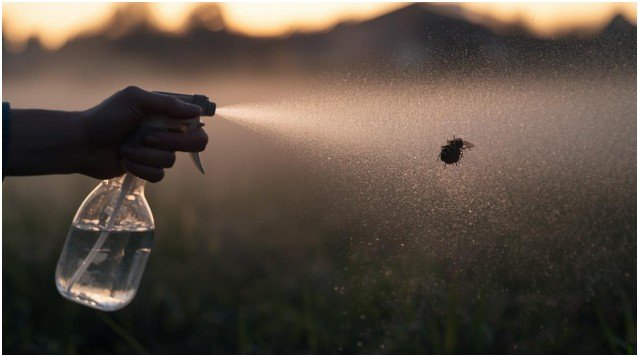
This is one of the safest and most effective DIY methods.
You’ll need:
- 2 tablespoons dish soap
- A spray bottle filled with water
- Protective clothing
Steps:
- Approach at dawn or after sunset (when wasps are calmest).
- Stand a safe distance from the nest.
- Spray generously until nest and wasps are saturated.
- The soap clogs their respiratory pores, killing them quickly.
When it’s best used:
- Small nests
- Accessible nests
- Visible colonies
Avoid:
- Spraying during full daylight
- Standing under the nest
- Using insufficient soap mixture
Method 2: Use Homemade and Commercial Wasp Traps
Traps lure, capture, and eliminate wasps over time.
DIY bottle trap:
- Cut the top off a plastic bottle
- Insert inverted into the base
- Fill with sugary bait (juice, soda, honey water)
Wasps crawl in and can’t escape.
Commercial traps
These also work well and need less maintenance.
Pros:
- Safe
- No chemicals
- Can protect outdoor dining areas
Cons:
- Doesn’t eliminate the nest
- Works slowly
- Needs refilling
Method 3: Natural Wasp Repellents

These are great for prevention and reducing wasp presence.
Best repellents:
- Peppermint oil
- Eucalyptus
- Vinegar
- Basil
- Citronella
- Clove
- Lemongrass
Peppermint spray recipe:
- 1 tablespoon peppermint oil
- 16 oz water
- 1 teaspoon dish soap, shake and spray around entry points and outdoor seating areas.
Quick Comparison Table of Wasp Removal Methods
| Method | Best for | Effectiveness | Safety Level | Speed of Results | Professional Required? |
| Soapy water spray | Small nests | High | Medium | Fast (kills instantly) | No |
| DIY or commercial traps | Stray wasps & scouts | Moderate | High | Slow | No |
| Natural repellents | Prevention | Moderate | Very High | Gradual | No |
| Professional extermination | Large or hidden nests | Very High | Very High | Fast | Yes |
Method 4: Removing Ground Nests
Some species nest underground — these are highly defensive.
How to treat:
- Pour soapy water or peppermint mixture directly into the hole
- Retreat immediately
- Never stomp or disturb soil around the opening
Ground wasps (yellow jackets) are more aggressive than paper wasps or hornets — caution is essential.
Method 5: When to Call a Professional
Not every wasp problem is a DIY project.
Call exterminators if:
- Nest is inside walls
- Nest is in attic or crawl space
- Nest is larger than a football
- You or someone in your family is allergic to stings
- You can’t reach the nest safely
- Wasps return every year
Professionals have:
- Protective suits
- Industrial-grade insecticides
- Vacuum extraction tools
- Safe nest removal techniques
Safety Rules You Should Never Ignore
Working with wasps is not risk-free. Follow these essential guidelines:
- Never swat at wasps — they release distress pheromones
- Avoid fire and gasoline methods
- Wear fully covering clothing
- Treat nests when wasps are least active
- Keep children and pets away
- Avoid perfumes or sweet scents
- Move calmly — do not panic or run suddenly
How to Prevent Wasps from Returning
Getting rid of wasps is only half the job — keeping them away matters more.
Preventative measures:
- Seal cracks and soffits
- Remove old empty nests (in winter)
- Keep garbage sealed
- Reduce outside food exposure
- Use decoy nests (wasps avoid rival colonies)
- Maintain yard vegetation
- Store pet food indoors
- Avoid leaving sugary beverages outside
Wasps rarely rebuild old nests, but they will build new ones nearby if conditions remain ideal.
FAQs About How to Get Rid of Wasps
1. Are wasps useful or just pests?
They are beneficial pollinators and natural insect predators—but become pests when nesting near humans.
2. Can wasps remember faces or “hold grudges”?
They don’t hold grudges, but they emit aggression pheromones that alert others to attack the same target.
3. Will wasps become aggressive if I destroy the nest?
Yes — disturbed colonies are extremely defensive. Work cautiously and at night.
4. Can I just leave a nest alone?
If it’s far from human activity, leaving it alone is an option. Nests die out in winter naturally.
5. Do wasps reuse nests?
Most species do not — each spring a new queen builds a fresh nest.
Final Thoughts
Learning how to get rid of wasps is not just about eliminating them—it’s about doing it safely, confidently, and without risking your health or triggering aggressive swarms. With the right timing, correct removal methods, and a calm, informed approach, most household nests can be addressed successfully.
If the situation involves a large nest or potential danger, contacting a professional isn’t a failure—it’s a smart and responsible decision.
Ultimately, the goal isn’t just removing wasps but reclaiming your outdoor space and peace of mind. With proper knowledge and preventative measures, you can enjoy your yard, deck, or patio again without the fear of wasp intrusion.